Big Sur
By Julian Bialowas & Daniel Tomko·Updated April 2026
Big Sur is one of those places that sounds like marketing until you actually get there. The Santa Lucia Mountains don't gently roll into the Pacific—they drop off cliffs several hundred feet above it. Highway 1 threads between them, clinging to the edge, and the campgrounds here are positioned so that you can lie in your sleeping bag and hear the ocean below. Kirk Creek Campground, on the south end, has sites right on the bluff edge. Pfeiffer Big Sur State Park, in the middle of the coast, puts you in a canyon of coast redwoods so thick the canopy shuts out the sky. These are fundamentally different experiences and most people only have time for one.
The honest truth about Big Sur is that it requires planning that feels disproportionate to a camping trip. Reservations for the state parks open six months in advance on ReserveCalifornia and the good sites—Kirk Creek sites 1 through 10, anything ocean-view at Plaskett Creek—go within minutes. The national forest sites (Plaskett Creek, Kirk Creek) book through Recreation.gov, not ReserveCalifornia, which trips people up. If you show up without a reservation hoping for a walk-in, you will be turned around, especially May through October. Plan accordingly or plan to be disappointed.
Highway 1 also closes. This is not a hypothetical—it has been closed for months at a time after major storms and landslides, most recently in 2017 when the Pfeiffer Canyon Bridge collapsed. Before you make reservations, check Caltrans for current road conditions. A campsite at Andrew Molera means nothing if the road to reach it is closed from both directions. Cell service is nearly nonexistent throughout the corridor, so download your maps before you leave Carmel or San Simeon.
Top Campgrounds Near Big Sur

Twisted Branch
Twisted Branch earns its repeat visitors through a combination of genuinely warm hosting and a hard-to-beat hilltop setting above Paso Robles vineyards. Jac stocks the site with camping chairs, takeout menus, and playing cards, and the big oaks, grazing cows, and dark-sky stargazing do the rest of the work.
Book on Hipcamp
Fern Ridge Flats - Private Camping
Fern Ridge Flats threads a needle that's hard to find: genuine redwood privacy with just enough creature comforts (potable water, a propane fire pit, power outlet, and a pop-up canopy for rainy nights) to make it approachable for first-timers or anyone who wants nature without the suffering. Host Matt goes well beyond the basics — one reviewer noted he climbed a tree to rescue a stuck drone.
Book on Hipcamp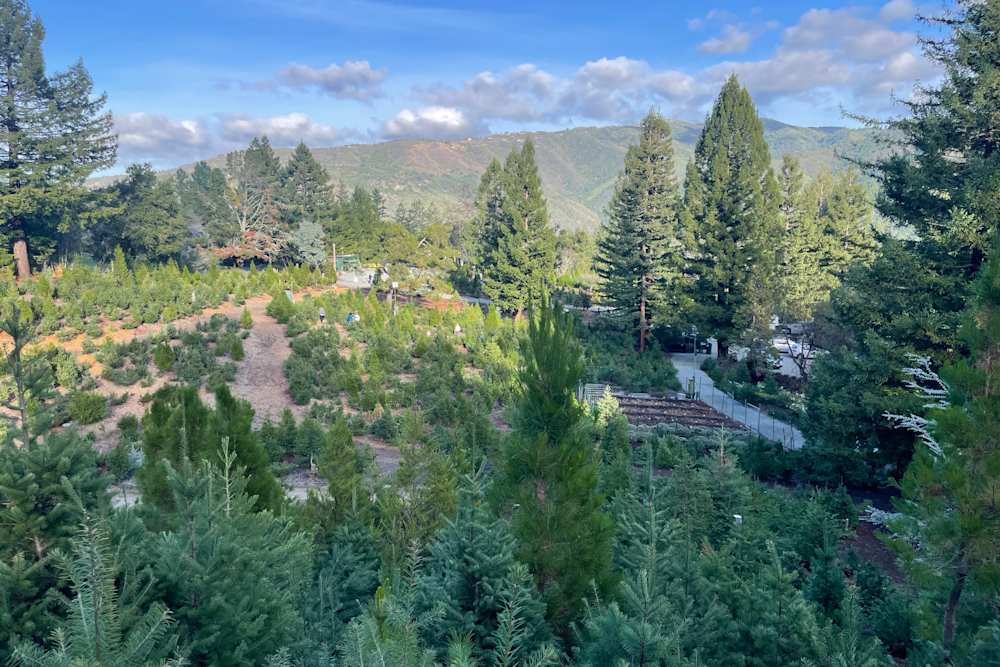
Patchen Christmas Tree Farm
Patchen Christmas Tree Farm is a pine-scented, conveniently located basecamp between Los Gatos and Santa Cruz that works best for vans and tents — reviewers warn that maneuvering a trailer is genuinely difficult and active farm traffic means early-morning noise is part of the deal. Host Kelley is unusually attentive and low-key, the kind who'll buy cat food for a guest's missing cat without being asked.
Book on Hipcamp
Road's End, Bradley Lockwood
Road's End is a genuinely remote rural retreat near Bradley that rewards self-sufficient campers with dark skies good enough for Milky Way photography, sweeping vineyard views, and well-maintained electric and water hookups at each site. Just know that 'close to Paso' is relative — you're looking at 40 minutes on slow hill roads with zero nearby restaurants or cell service, so come fully stocked.
Book on Hipcamp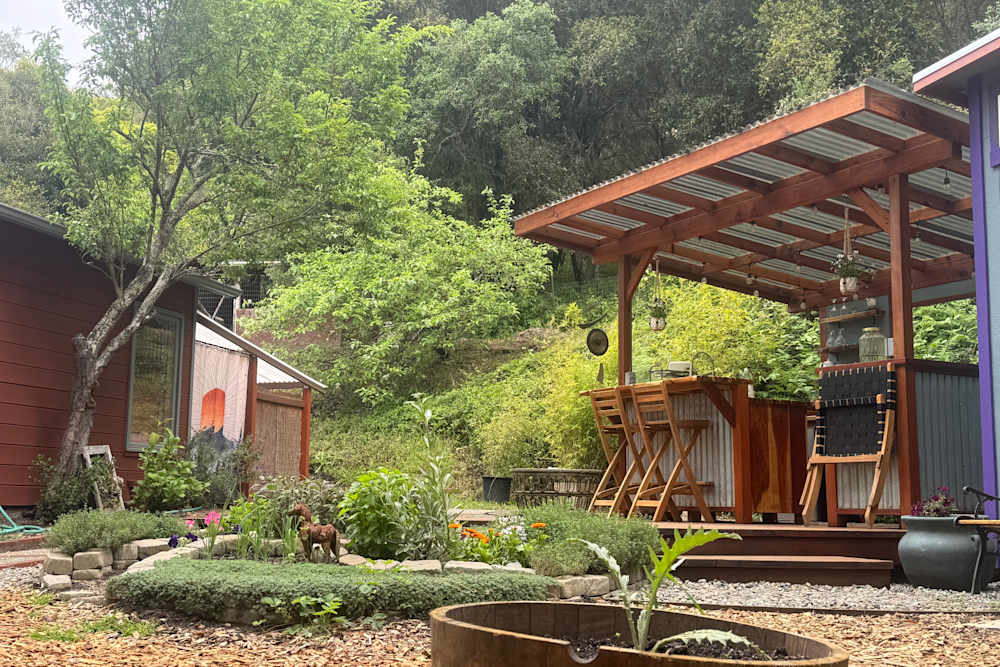
Happy Valley Haven
A cozy redwood cabin near Santa Cruz that earns its reputation through small, thoughtful touches — think complimentary eggs from the farm, a well-appointed outdoor kitchen, and a host (Naomi) who'll track down milk for your morning coffee even when she's out of town. The outdoor shower and secluded feel make it a genuine escape without being far from town.
Book on Hipcamp
Windsor Family Farm
Windsor Family Farm is a genuinely kid-friendly working farm stay where children can feed alpacas, goats, sheep, and chickens, collect eggs, and roam freely while parents actually relax — host Kim's warm, attentive style and optional hot breakfast (French toast, fresh fruit, cheesy eggs for $35) seal the deal. It's low-key rather than polished, which is exactly the point.
Book on Hipcamp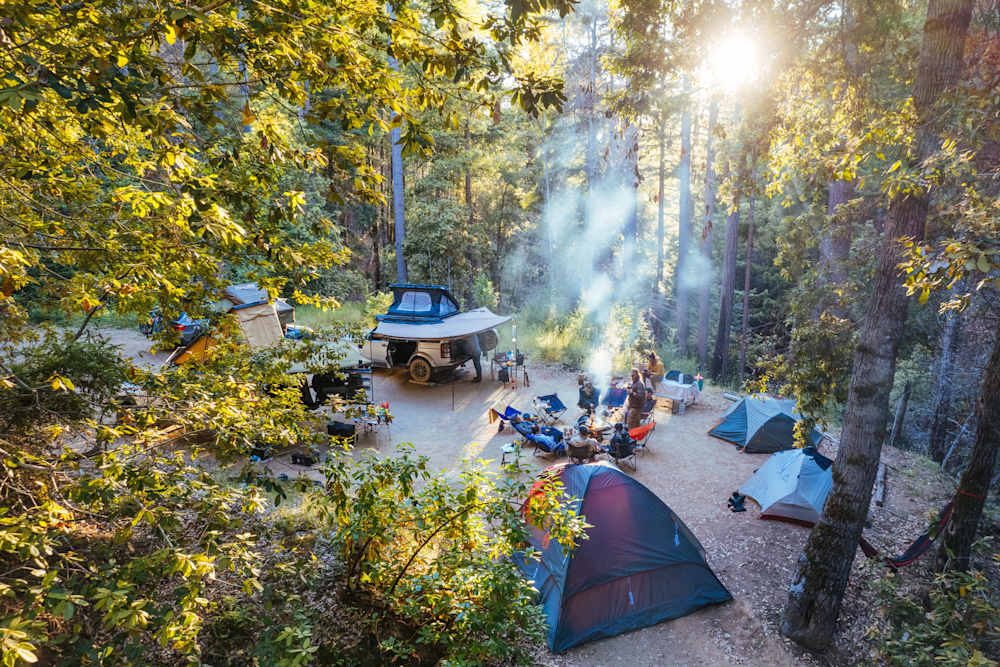
BANKS RANCH IN THE REDWOODS
Banks Ranch delivers genuine backcountry seclusion on 40 wooded acres with a private creek and towering redwoods, yet it's only minutes from Santa Cruz — hosts Doug and Denise are the rare kind who give you a personal tour, hand over fresh eggs, and then leave you completely to yourself. Come self-contained since amenities are minimal, but the payoff in peace and privacy is hard to beat.
Book on Hipcamp
Strawberry Fields+Walk to the Beach
Strawberry Fields is a straightforward, well-maintained coastal campsite where hosts Ray and Robin reliably greet you with fresh eggs, firewood, restaurant tips, and an honest orientation — and an eight-minute walk puts you on a dog-friendly beach in time for sunset. One reviewer noted it feels like a front yard rather than a campground, so go in knowing it's a working farm plot, not a wilderness site.
Book on Hipcamp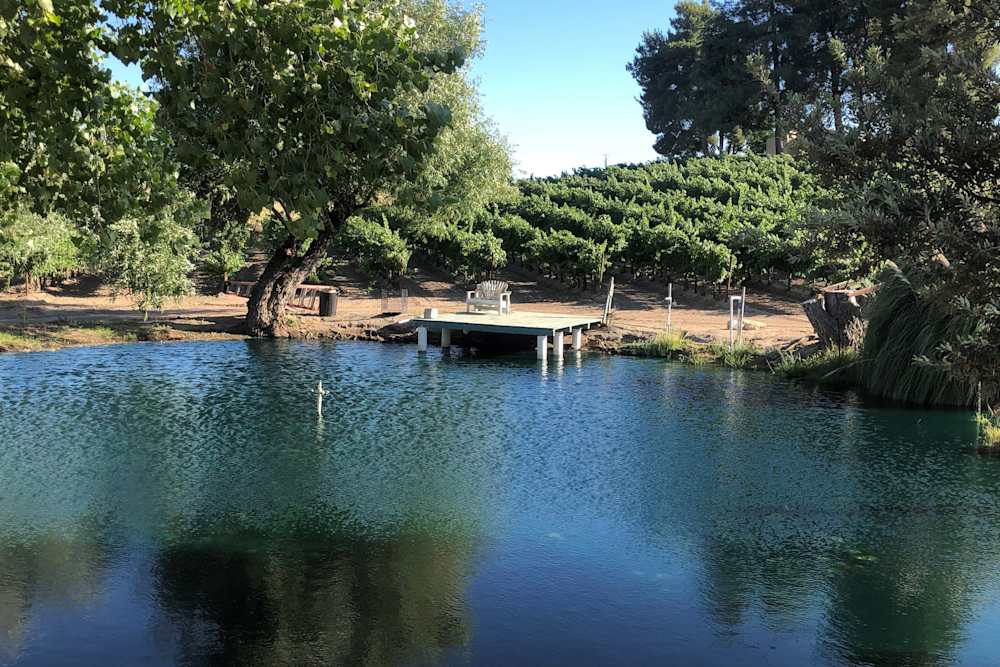
Paso Robles Camping
A genuinely peaceful farm pond setting outside Paso Robles where the real draw is watching ducks, listening to frogs at night, and catching sunsets over rolling vineyard hills. Just know going in that it's more working farm than manicured campsite — no fire pit, and at least one reviewer felt the listing photos oversold it.
Book on Hipcamp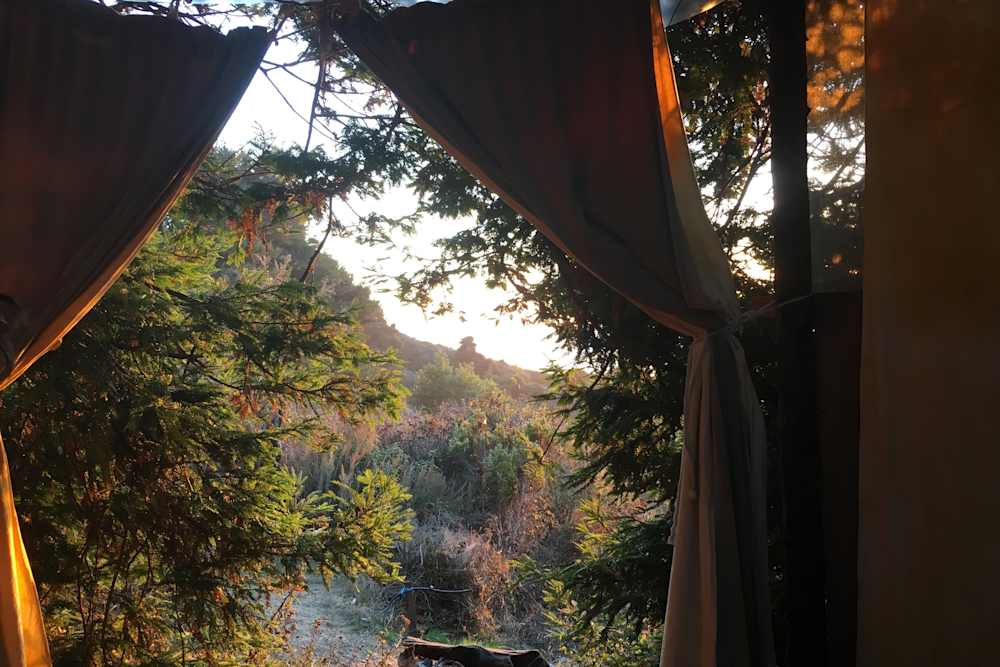
dabudage Big Sur
Gene's Big Sur canyon property is the real deal — ocean views, a creek to fall asleep to, a well-stocked outdoor kitchen, and a steep hike up to the redwood gazebo that's absolutely worth the effort. It's genuinely rustic (store food in your car to outsmart the raccoons, and watch for poison oak on the uphill paths), but the setting more than earns the inconveniences.
Book on Hipcamp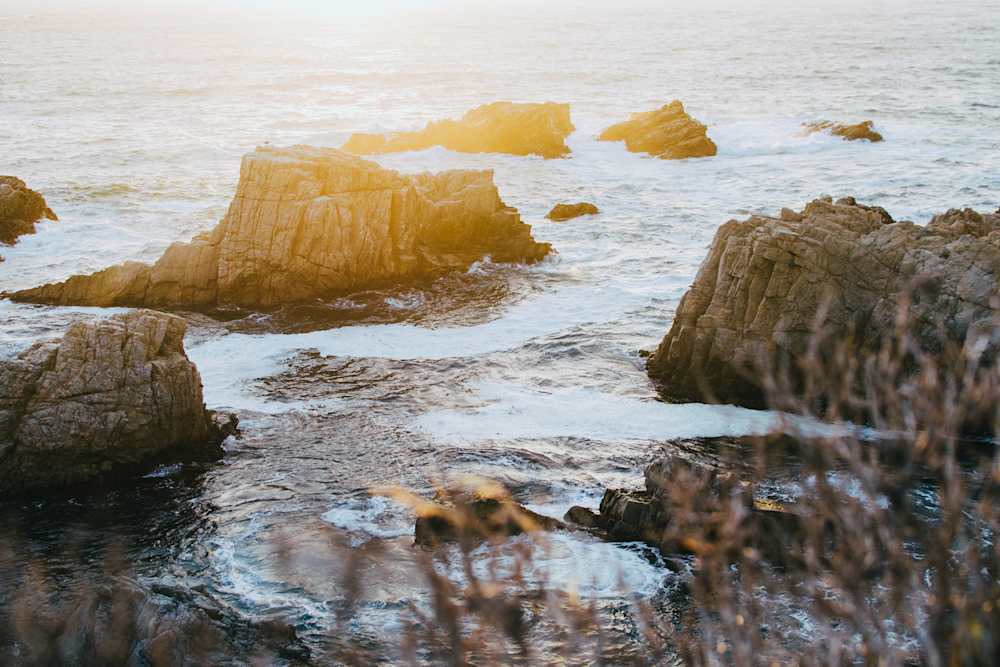
Pfeiffer Big Sur Campground
Pfeiffer Big Sur is a well-maintained state campground with shady, spacious sites tucked under a dense tree canopy, hot showers, and easy access to trails, the beach, and iconic spots like Bixby Bridge and McWay Falls. Check road and trail conditions before you go — slides can close things off — and pack a layer since nights get cold even in summer.
Visit Official Site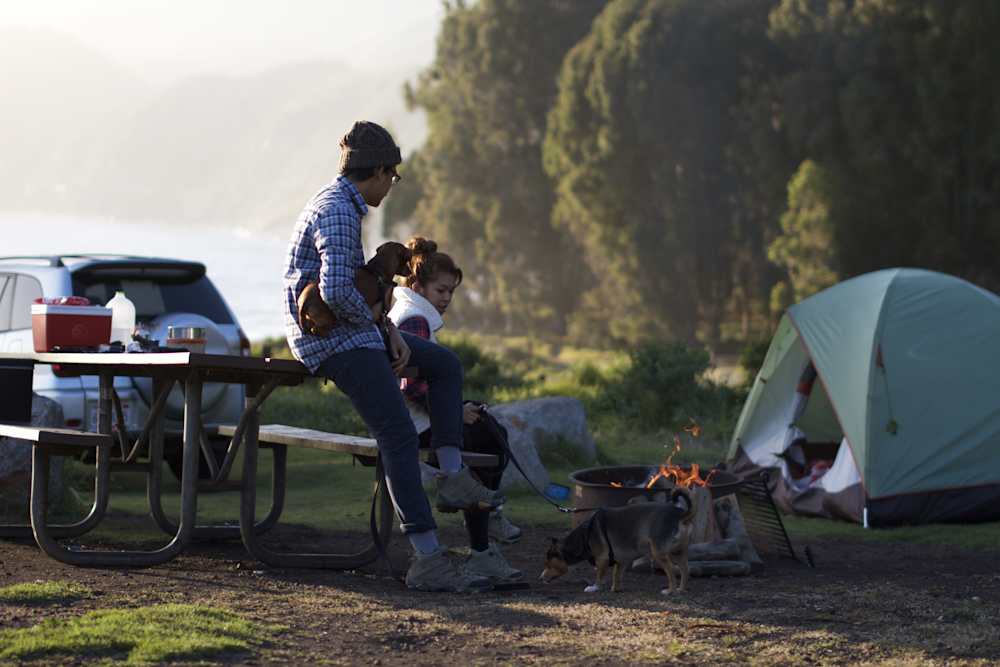
Kirk Creek Campground
Kirk Creek sits right on the Big Sur coastline with cliff-edge views that genuinely don't need a filter, and sites 8 and 9 are the ones to fight for — they look straight out over the water. The raccoons here are famously bold and persistent, so use the food storage containers without fail, and be aware that RV generators have become a noise issue in recent years.
Visit Official Site
Limekiln Campground
Limekiln is a rare Big Sur gem where you can fall asleep to crashing waves or wake up deep in a redwood forest — sometimes on the same trip. Reviewers rave about the fairy-tale inland sites (shoot for site 29) and the dreamy beachside spots nestled between ocean and creek, though note the sites sit close together and near the road, giving it more of a social than secluded feel. Worth knowing: as of early 2025 it was still closed for storm and landslide repairs.
Visit Official Site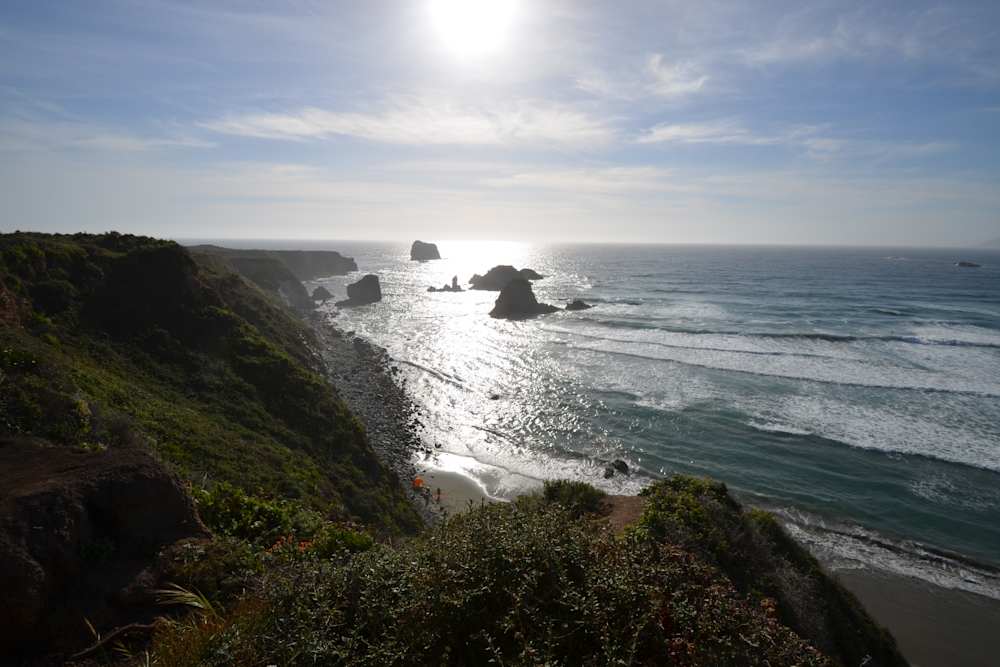
Plaskett Creek Campground
Plaskett Creek is one of the more practical base camps on the Big Sur coast — spacious enough to handle groups of 20-plus with dogs, and sitting right across from Sand Dollar Beach, one of the few genuinely accessible stretches of coastline in the area. It can get noisy and fills fast in summer, and at least one reviewer flagged a problematic staff member overcharging campers, so bring printouts of your reservation.
Visit Official Site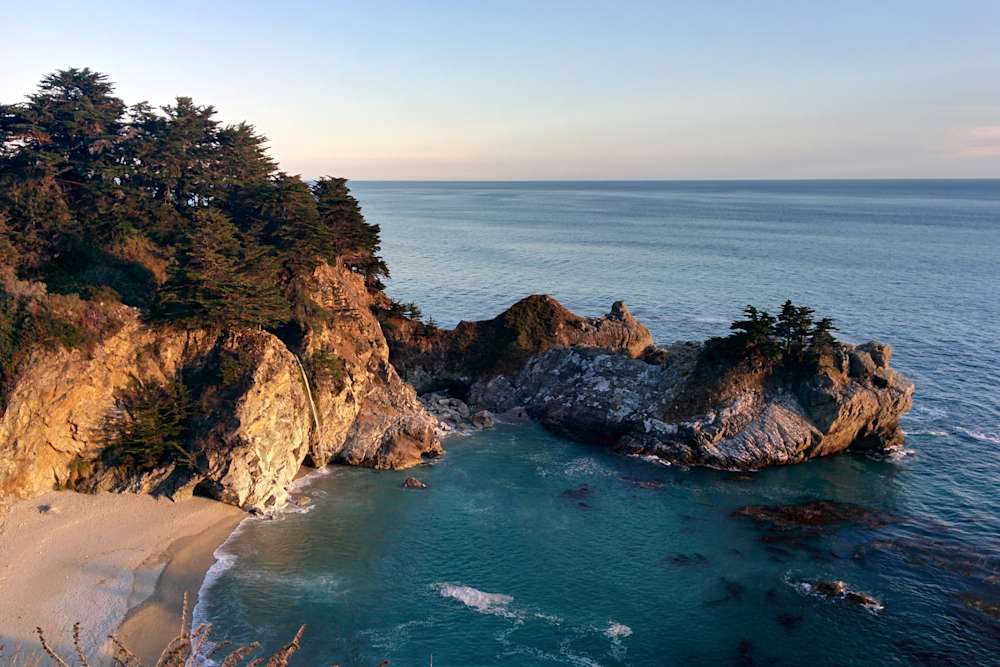
Julia Pfeiffer Burns Campground
Julia Pfeiffer Burns is an incredibly intimate spot — just two sites perched at the cliff's edge with relentless wave noise below — but the trade-off is a near-constant stream of day hikers wandering through your camp and zero water on-site. The 'hike-in' is barely a walk, you can pull your car up close to unload, but you do need to check in roughly 11 miles north at the main Big Sur park entrance, which catches people off guard.
Visit Official SitePlanning Your Big Sur Trip
Best Time to Visit
April and May are the best months on paper—wildflowers on the hillsides, waterfalls running full from winter rain, fewer crowds than summer, and the poison oak hasn't fully leafed out yet. Temperatures in the 60s during the day, 40s at night. The tradeoff is that April can still bring rain and occasional road closures.
June through August is peak season. The coast runs foggy in the mornings, often clearing to sunshine by noon. Ocean temperatures stay in the 50s year-round so don't count on swimming in the surf. Campgrounds are full every weekend. If you're coming in summer, book six months out or plan to arrive mid-week. Temperatures are mild—65 to 75 during the day—but fog means you'll want layers.
September and October are the locals' favorite months. The fog burns off faster, the light goes golden, crowds thin noticeably after Labor Day, and the poison oak starts turning red without yet being at its worst. Nights get cold—pack a 20-degree bag.
November through March is shoulder and off-season. Some campgrounds close or reduce capacity. Rain is real. But the waterfalls are spectacular, the light is dramatic, and you might have the trail to yourself. Pfeiffer Falls and Valley View trail in winter, when the creek is running hard, is one of the best hikes in California.
What to Know Before You Go
Water: Potable water is available at Pfeiffer Big Sur State Park and Julia Pfeiffer Burns. Kirk Creek and Plaskett Creek (national forest sites) have no water—you must bring your own, typically 1 gallon per person per day minimum. Do not count on filtering from the creek; seasonal closures and water quality issues make this unreliable.
Cell service: Essentially none from Carmel to San Simeon. Verizon has the best coverage and will occasionally get a signal on the ridge near Pfeiffer Big Sur. AT&T and T-Mobile are nearly useless. Download offline maps (Gaia GPS or Google Maps) before you leave, and download the campground reservation confirmation to your phone camera so you have it offline.
Gas: The last reliable gas station heading south from Carmel is in Carmel itself. Heading north from San Luis Obispo, fill up in Cambria or Ragged Point (expensive, but there). There is no gas in Big Sur proper—the Big Sur Station sells expensive emergency items but not fuel. Running out of gas on Highway 1 is an expensive and embarrassing problem.
Fire restrictions: Fire bans are common June through October under Tier 2 and Tier 3 restrictions from CalFire. Even when campfire rings exist, a burn ban may prohibit their use. Check the Los Padres National Forest fire restriction page before you go. Propane stoves are typically allowed under all but the most extreme restrictions. The Dolan Fire in 2020 burned over 120,000 acres here—the fire risk is genuine.
Bears: Black bears are present throughout Big Sur. Bear boxes are provided at Pfeiffer Big Sur and most developed campgrounds. Use them. Do not leave food, coolers, or scented items in your car—bears in Big Sur have learned to open car doors and break windows, and the fines for improper food storage are steep.
Beyond the public system: Hipcamp lists private campsites on ranches and rural properties in the hills above the Big Sur coast—sites that don't appear on Recreation.gov or ReserveCalifornia. When Kirk Creek and Pfeiffer are booked months out, these private sites often have availability. Check current availability on Hipcamp if the public campgrounds have shut you out.
Nearby Activities
Pfeiffer Falls and Valley View Trail: The most accessible quality hike in Big Sur. 1.6 miles round trip from the Pfeiffer Big Sur day use area to a 60-foot waterfall, then up to a ridge with ocean views. Best in spring when the falls are running hard. Gets crowded on weekends—start before 9am.
McWay Falls: The iconic 80-foot waterfall that drops directly onto the beach at Julia Pfeiffer Burns State Park. It's a 0.5-mile walk from the parking lot. You cannot get to the beach—it's protected—but the overlook is one of the great viewpoints in California. Go at golden hour.
Pine Ridge Trail into Ventana Wilderness: For those who want to earn it. The trailhead is at the Big Sur Station and climbs steeply into the Los Padres National Forest backcountry. The first 10 miles are brutal and beautiful. Sykes Hot Springs, about 10 miles in, has natural hot tubs fed by a thermal spring—this used to be a legendary Big Sur destination but damage from overuse led to restrictions. Check current conditions with the Forest Service before planning around it.
Sand Dollar Beach: The longest sandy beach in Big Sur, accessible from a short trail off Highway 1 near Plaskett Creek. Good for tide pools and walking. The offshore reef makes for decent diving. Not a swimming beach—the surf and currents are dangerous.
Bixby Creek Bridge: You'll drive over it. Stop on the north side (there's a small pullout) for the photo. Every car commercial and travel magazine has shot this bridge—it's every bit as dramatic as it looks. Go early morning before the tourists, or just after sunset for a different mood entirely.
Frequently Asked Questions
How far in advance do I need to book Big Sur campgrounds?
For the popular state park campgrounds like Pfeiffer Big Sur and Julia Pfeiffer Burns, reservations open exactly six months in advance on ReserveCalifornia and the best sites go within the first hour. Kirk Creek and Plaskett Creek through Recreation.gov also book up fast for weekends May through October. If you're targeting a specific summer weekend, set a calendar reminder for exactly six months prior and be ready at 8am Pacific when the window opens.
Is Highway 1 through Big Sur open?
Usually, but not always. Highway 1 has a history of closures due to landslides, storm damage, and washouts—sometimes for months at a time. Always check Caltrans District 5 road conditions at dot.ca.gov before your trip. There is no inland bypass; when the road is closed, your campsite is inaccessible.
Can you camp on the beach in Big Sur?
Not exactly on the beach—the cliffside terrain doesn't allow for it—but Kirk Creek and Plaskett Creek campgrounds in Los Padres National Forest are on a bluff directly above the ocean with sites close enough to hear the waves. Sand Dollar Beach is a day-use area only. Dispersed camping is technically permitted in some areas of Los Padres National Forest with a permit, away from the developed campgrounds.
What should I know about Big Sur in winter?
Winter (November through March) brings real rain and occasional road closures, but also rewards: waterfalls running at full force, near-empty campgrounds, and some of the most dramatic coastal light of the year. Some campgrounds reduce capacity or close entirely. Pfeiffer Big Sur State Park stays open year-round. Always check current conditions—a winter trip can be spectacular or completely washed out depending on the week.
Is there cell service in Big Sur?
Almost none. Verizon users might catch a signal on high ridges near Pfeiffer Big Sur, but plan as if you'll have no service from Carmel to San Simeon. Download offline maps before you go, save your reservation confirmation as a screenshot, and let someone know your itinerary. This is not a place to navigate by Google Maps in real time.
Wildlife Sounds
Observations from iNaturalist