Mendocino Coast
By Julian Bialowas & Daniel Tomko·Updated April 2026
The Mendocino coast is what Big Sur would look like if nobody had ever turned it into a destination. Three hours north of San Francisco, it remains stubbornly itself—fog-wrapped headlands, sea stacks rising from surging water, beaches made of tumbled glass, and forests so dense with rhododendrons that May looks like a different planet. The campgrounds are excellent and the crowds are a fraction of anything you'd find further south.
MacKerricher State Park is the northern anchor and one of the most varied coastal campgrounds in California. Eight miles of beach, a coastal trail that runs for days, tidal pools at Laguna Point thick with harbor seals (they haul out year-round), and a freshwater lake for kayaking all within the same park boundary. The campground sits back from the beach in dense shore pine forest—dark, sheltered, and quiet in a way coastal sites rarely are. Fort Bragg is two miles south for supplies and the city's increasingly good food scene.
Van Damme State Park sits just south of Mendocino village and is the most popular of the three main parks, for good reason. The campground is in a deep fern canyon beside Little River, surrounded by second-growth redwoods. The Pygmy Forest—a rare ecological oddity where coastal pine and cypress grow to only a few feet tall due to soil chemistry—is a short walk from the campground and one of the stranger things you'll see in California. The town of Mendocino is walking distance for dinner and the galleries that have made it an artist community since the 1950s.
Russian Gulch State Park splits the difference between MacKerricher and Van Damme—it has a dramatic headland with a sea arch that's one of the most photographed features on the coast, a fern canyon trail heading inland through old-growth redwoods, and a compact campground that feels more private than either of the larger parks. The blowhole at the sea arch is dramatic at high tide.
Then there's Glass Beach in Fort Bragg. It's a former dump site that the Pacific spent decades polishing into something beautiful—millions of smooth glass pieces in amber, green, and clear. You can't take the glass (it's protected), but walking the beach is worth a stop. It's free, it's weird, it's very Mendocino.
Top Campgrounds Near Mendocino Coast

Faultline Farm
Faultline Farm is a quiet, private campsite near Point Arena with a lovely ravine view and easy access to the lighthouse and town. Host Patrick is genuinely helpful — expect restaurant tips, good conversation, and possibly a visit from Lily the camp cat.
Book on Hipcamp
Jug Handle Creek Nature Center
Jug Handle Creek Nature Center punches above its weight for a rustic site — the recently upgraded bathrooms are a genuine highlight, and the 15-minute walk through forest to a stunning ocean cove makes it hard to beat for a coastal Mendocino-area stay. Sites can get muddy and supply restocking is inconsistent, so come prepared.
Book on Hipcamp
Rancho Laslendini
Rancho Laslendini is a secluded apple orchard tucked into Sonoma's West County wine country, with quail wandering around and spectacular sunrises — guests from Colorado keep coming back for 9 and 12 nights at a stretch, which says a lot. Host Joseph is fast to respond and the directions matter, especially if you're towing a trailer.
Book on Hipcamp
R.V Site Full Hookups/Hubcap Ranch
Hubcap Ranch is a well-equipped RV site nestled among redwoods with a creek nearby, full hookups, fiber WiFi, and hands-on hosts Joel and Pam who will help guide your rig in and check that everything's set. Worth knowing: cell service is poor, hookups are on the non-standard side, and mosquitoes show up after sunset.
Book on Hipcamp
Foxfern
Foxfern's hand-crafted redwood cabin is the rare place that actually lives up to its listing photos—guests consistently say it exceeded expectations, and the details (stained glass banana slug, working wood stove, audible ocean in the distance) make it feel genuinely one-of-a-kind. The wood stove can struggle to hold heat overnight, so pack an extra layer, but otherwise this is hard to beat for a coastal forest escape near Mendocino.
Book on Hipcamp
Baby Banana Slug Farm
Baby Banana Slug Farm punches above its weight for a tent/van camping spot—level wooden platforms, potable water with a sink, and a host (Nathan) who actually comes out to chat and share knowledge about the redwoods make it feel more considered than your average private campsite. Just know that purchased firewood has occasionally shown up wet, so bring your own fire-starting backup if a campfire is essential to your trip.
Book on Hipcamp
The Deck
The Deck is what happens when hosts (Alex and Justin) actually think through every detail—converted containers hold a well-stocked kitchen, hot shower, coffee setup, and even a sleeping container with a heater, all framed by a sweeping tree-top view that guests keep saying photos don't capture. It's genuinely quiet (one guest heard bird feathers in flight), close enough to Mendocino and Navarro Beach for day trips, and works equally well for families, couples, and van campers.
Book on Hipcamp
CAMP CAZ
Camp Caz earns its repeat visitors—the combination of a fully equipped cabin with a record player and big windows, a clawfoot tub under hanging ivy, and easy access to a private-feeling river swim spot is genuinely hard to find in one package. Host Carrie's thorough app-based handbook and reliable communication mean you spend your time floating inner tubes and spotting crawdads rather than figuring out logistics.
Book on Hipcamp
Root's End
Root's End is a well-tended, thoughtfully landscaped property just a short bike ride or half-hour walk from downtown Mendocino — close enough to town to be convenient, private enough to feel like a real escape. Host Molly keeps the sites clean and well-stocked with firewood, and small touches like a composting toilet that one guest called 'the classiest outhouse I've ever used' set it apart from a standard campsite.
Book on Hipcamp
Waterfall Camp
Hosts Shay and Liz have built something genuinely impressive here — hot showers with instant pressure, smokeless fire pits with firewood and heat-resistant gloves, and a private cooking station at each site, all directly adjacent to Russian Gulch State Park's trail system and its waterfall loop. The level of care is consistent across every review, and small gestures like shipping a forgotten speaker to a guest the next day say a lot about who's running the place.
Book on Hipcamp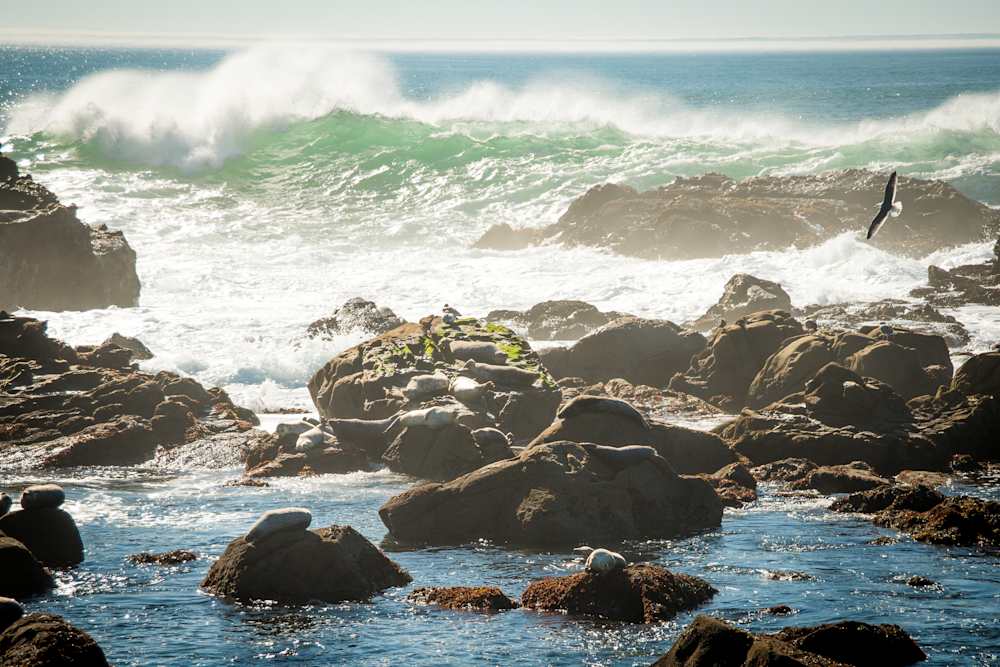
Gerstle Cove Campground
Gerstle Cove puts you within a five-minute walk of ocean bluffs and tide pools teeming with abalone and seals, but come prepared — the wind and fog are real, and sites closer to the water can make cooking a struggle. For a quieter, more sheltered experience, aim for sites set farther back among the trees and consider a weekday visit when the place genuinely feels secluded.
Visit Official Site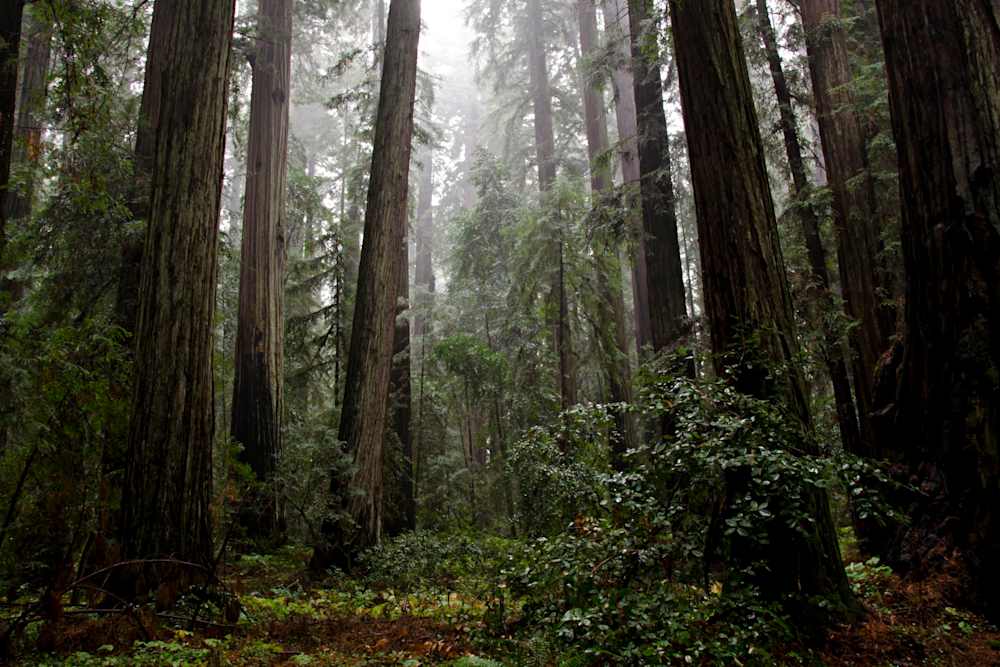
Wildcat Campground
Wildcat Campground in Hendy Woods offers spacious, flat sites tucked among old-growth redwoods alongside the Navarro River, where you can spot turtles, frogs, and eels without much effort. The outer perimeter sites give you the most privacy, though enforcement of quiet hours can be inconsistent on busy weekends — bring quarters for the coin-operated showers either way.
Visit Official SitePlanning Your Mendocino Coast Trip
Best Time to Visit
May and June are the window most in-the-know campers target. The rhododendrons hit peak bloom in late April through May, turning the forest understory into walls of pink and magenta. Fog is present but not oppressive. The water is cold (it's always cold—this is the Northern California coast), but the tide pools are active and the sea stacks are dramatic in the low morning light. Temperatures run 55–65°F.
July and August bring the summer marine layer, which means fog most mornings and evenings with sun breaking through in the afternoon. This is actually pleasant camping weather—cool enough to sleep well, warm enough in the afternoons to be on the beach. The campgrounds are at full capacity; reserve months ahead.
September and October are the secret weapon. The marine layer retreats, the coastal waters calm, and the light turns long and golden. Whale migration (gray whales heading south) begins in October. Campgrounds are still busy on weekends but accessible on weekdays. The town of Mendocino is at its best.
Winter is the dramatic season. Storm watching from the headlands is a legitimate activity—the waves against the sea stacks can be extraordinary. Campgrounds are open but cold and wet. Not for everyone, but atmospheric in a way summer can't be.
What to Know Before You Go
Reservations: All three state parks book through ReserveCalifornia. Van Damme fills fastest—it has the fewest sites and the best access to Mendocino village. Book six months out for summer weekends. MacKerricher has more capacity and is usually available with two to four weeks notice in shoulder season.
Abalone diving: The Mendocino coast has historically been California's best recreational abalone habitat. Note that abalone season and regulations change—check the California Department of Fish and Wildlife for current status before planning a dive trip around it. The coastal waters around MacKerricher and Van Damme were prime spots when seasons have been open.
Sea stacks and blowhole timing: The Russian Gulch sea arch blowhole is most dramatic at high tide with swell from the northwest. Check tide tables before hiking out—a 4–6 foot swell coinciding with high tide is the sweet spot. The headland at MacKerricher's Laguna Point is worth visiting at any tide for the seal haul-out.
The Skunk Train: The historic narrow-gauge railroad running from Fort Bragg east through the redwoods to Willits is worth the time, especially if you have kids. It's been running since 1885 and the old-growth redwood canyon it traverses is inaccessible by road. Advance booking recommended.
Cell service and connectivity: Assume none. The Mendocino coast has spotty coverage at best, and the campgrounds are often out of reach entirely. Download offline maps before you leave. Lean into it.
Water temperature: The Pacific here runs 50–55°F year-round. Wetsuits are not optional for swimming or diving. Casual wading is possible but shocking. Nobody swims recreationally here without protection.
Private coastal properties: The Mendocino coast has some of the best Hipcamp listings in Northern California—properties on bluffs, in redwood groves, and on working farms that put the state park campgrounds in perspective. If Van Damme and MacKerricher are booked, Hipcamp lists private sites along the coast that often have the seclusion and scenery the state parks can't match on a busy weekend.
Nearby Activities
Hiking: The Fern Canyon Trail at Van Damme (5 miles round-trip) is one of the best coastal forest hikes in California—deep and quiet, carpeted in five-finger ferns, with bridges crossing the creek every quarter mile. Russian Gulch has a 6-mile loop to a 36-foot waterfall inland. MacKerricher's coastal trail runs north for miles through dunes and headlands.
Tide pooling: Laguna Point at MacKerricher is the most accessible and productive site—giant green anemones, sea stars (where populations have recovered), chitons, and occasionally octopus in the deeper pools. Go at minus tide for the best access. Glass Beach adjacent to Fort Bragg has its own rocky intertidal zone.
Kayaking and canoeing: Van Damme's Little River estuary is perfect for flatwater kayaking—sheltered, tidal, full of birds. Catch-a-Canoe in Mendocino rents kayaks and canoes for the Big River estuary, which is the longest undeveloped river estuary in California. You can paddle 8 miles inland through old-growth and redwood bottomland in complete silence.
The Mendocino Headlands: The blufftop trail around the Mendocino headlands is a 3-mile loop with some of the most dramatic coastal scenery on the entire California coast—sea arches, blowholes, and views south toward Van Damme. It's a state park but feels like the edge of the world.
Rhododendron forests: The redwood forest understory along the Fern Canyon Trail and Russian Gulch trails is dense with native Pacific rhododendron. Peak bloom is late April through mid-May and is spectacular—15-foot-tall bushes covered in pink and rose-red flowers in the filtered light of the redwood canopy.
Fort Bragg food: The city punches above its weight. The Piaci Pub, North Coast Brewing, and Eggheads have been local institutions for years, and a wave of newer spots has broadened the scene considerably. Stock up at the Fort Bragg Farmers Market on Wednesdays and Saturdays.
Frequently Asked Questions
Is MacKerricher State Park good for camping?
MacKerricher is one of the best coastal campgrounds in Northern California. It has eight miles of beach access, year-round harbor seal haul-outs at Laguna Point, a freshwater lake for kayaking, and a campground set in sheltered shore pine forest. Fort Bragg is two miles south for supplies. For families or groups who want variety in a single location, it's hard to beat.
What is the Pygmy Forest at Van Damme State Park?
The Pygmy Forest is a rare ecological formation where mature coastal pine and Bolander pine grow to only knee- or waist-height due to a unique combination of acidic soil chemistry and hardpan layers that prevent normal root development and water drainage. Trees that are decades old stand just 2–4 feet tall. It's accessible via a 3.5-mile loop from the Van Damme campground and is one of the stranger things you'll see in California.
Can you swim at the Mendocino coast beaches?
You can wade, but the Pacific off Mendocino runs 50–55°F year-round and the surf can be unpredictable. Casual ocean swimming without a wetsuit is uncomfortable and can be dangerous. The more common activities are tide pooling, kayaking in sheltered estuaries, and beach walking. If you want to swim, Van Damme's Little River or the calmer coves at low tide are your best options.
Where is Glass Beach in Fort Bragg?
Glass Beach is at the north end of Fort Bragg, accessible from Glass Beach Drive near Elm Street. The beach is part of MacKerricher State Park. The glass—smoothed by decades of wave action from an old dump site—is protected and cannot be collected. Parking is limited; arrive early in summer. The beach is best at low tide when the glass is most visible.
How far is Mendocino from San Francisco?
About 3 hours without traffic, via Highway 101 north to Cloverdale, then west on Highway 128 through the Anderson Valley wine country to the coast. The Highway 1 coastal route from Bodega Bay is more scenic but adds 45–60 minutes and can cause motion sickness on the switchbacks. The 128 approach is faster and the drive through the redwoods on the last stretch is excellent.
When do the rhododendrons bloom at Russian Gulch and Van Damme?
Peak bloom is typically late April through mid-May, though it can run from early April into early June depending on the year. The native Pacific rhododendron (Rhododendron macrophyllum) grows to 15 feet in the redwood understory and produces large pink-to-rose clusters. The Fern Canyon Trail at Van Damme and the canyon trail at Russian Gulch are the best routes for rhododendron viewing.
Wildlife Sounds
Observations from iNaturalist