Lake Tahoe
By Julian Bialowas & Daniel Tomko·Updated April 2026
There is no lake in California that looks like it should exist. Lake Tahoe sits at 6,200 feet in the Sierra Nevada, 22 miles long and 12 miles wide, and the water is so clear you can see the bottom 70 feet down. Not murky-clear. Ridiculously, impossibly clear. The cobalt color in photographs is real—it is not a filter.
Camping here means waking up to that water. D.L. Bliss State Park on the west shore has sites that sit close enough to the lake that you can walk to the edge in your camp sandals and watch the color shift from turquoise in the shallows to deep navy offshore. Emerald Bay, just south of D.L. Bliss, is one of the most photographed spots in California for a reason—a glacier-carved cove with a tiny island, a stone tea house at the water's edge, and Eagle Falls dropping into the bay from above. If you camp at Emerald Bay State Park, you earn that view every morning.
The lake straddles the California-Nevada state line, which matters more than you'd think. Sand Harbor on the Nevada side—technically Lake Tahoe Nevada State Park—is one of the most beautiful beaches anywhere in the American West, with polished granite boulders rising from warm shallows. It also runs on a different reservation system, which means it can be an easier get when California sites are locked up.
For those willing to walk, Desolation Wilderness begins right at Tahoe's doorstep. Hundreds of high-alpine lakes, granite ridges, and PCT miles with almost no one on them compared to the lakeshore campgrounds below. The trade-off is a permit system that requires advance planning—but a Desolation permit buys you solitude that no lakeshore site can match.
Top Campgrounds Near Lake Tahoe

160 Acres amidst National Forest
A genuinely remote 160-acre Sierra Nevada property with stunning 360-degree views and a rewarding creek hike — but come prepared: the GPS pin is off by nearly 3 miles, the trail down is a serious physical workout, and you'll want to bring all your own water and possibly a chainsaw if you're heading to the lower sites.
Book on Hipcamp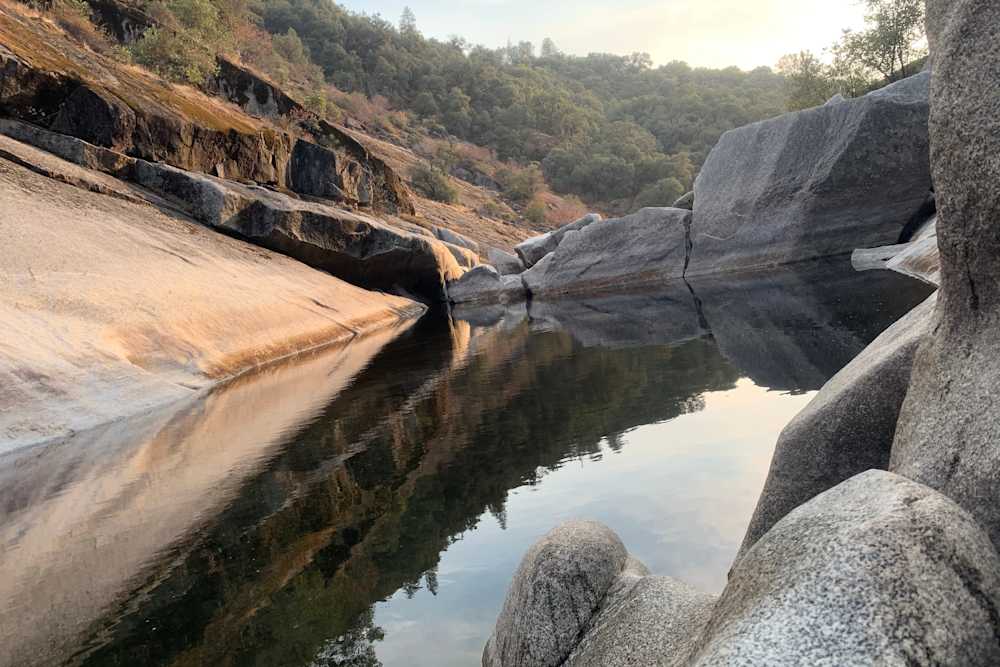
Foothill Ridge
Ben's working foothill farm is a low-key, easygoing spot that punches above its weight — think pond frogs serenading you to sleep, free-range nectarines, and easy access to several solid swimming holes nearby — though note that a past fire stripped much of the shade, and the shower and outhouse setups are pretty bare-bones.
Book on Hipcamp
Harris Family Farm and Forest
Harris Family Farm is a sweet pick for families visiting Apple Hill, with forested campsites tucked near an on-site bakery selling apple cider donuts, fresh pies, and live music — just know that the sites can be sloped, the porta-potties are a weak point, and busy day-visitor traffic from the farm means it's not exactly a wilderness escape.
Book on Hipcamp
Sleepy Stag RV Spot
A tidy, well-maintained RV hookup spot in a peaceful rural setting where your neighbors are cows, sheep, and horses — host RJ is hands-on in the best way, meeting rigs on arrival and helping maneuver even 33-foot Class A coaches, with a WiFi extender and full hookups rounding out the package.
Book on Hipcamp
Lazy Bear Cabin
Jeff's off-grid cabin near Tahoe National Forest is a solid, no-frills basecamp for hikers and skiers — close enough to I-80 to be easy to reach, far enough that you won't hear traffic. Come prepared: there's no nearby store, and you'll need to bring your own linens, towels, and extra toilet paper.
Book on Hipcamp
Bright Bear Camp in Tahoe NF
Kelley runs a genuinely well-equipped camp a few miles off I-80 — solar-powered, dog-friendly, with clean bathrooms, an outdoor shower, and a wood-fired sauna with cold plunge that multiple guests call a must-do. The two-mile dirt road is worth noting, but the level of thoughtful hosting here is hard to find.
Book on Hipcamp
Private Yurts - Nevada City
Nathan's yurts outside Nevada City are about as well-stocked as a vacation rental — kitchen, bug spray, firewood, a cedar hot tub, and fresh eggs from on-site chickens — yet still feel genuinely immersed in the forest. Budget extra time to heat the hot tub, and bring colored pencils for the coloring book.
Book on Hipcamp
Cosumnes River Somerset Camp
Noleen's Cosumnes River camp delivers on the essentials: large, well-spaced sites steps from a swimming hole with both shallow and deep water, shade-heavy oak groves, surprisingly good well water, and hosts who'll spend 30 minutes jump-starting your dead battery without complaint. Site 1 is right behind the house, so request something further down the road if privacy matters.
Book on Hipcamp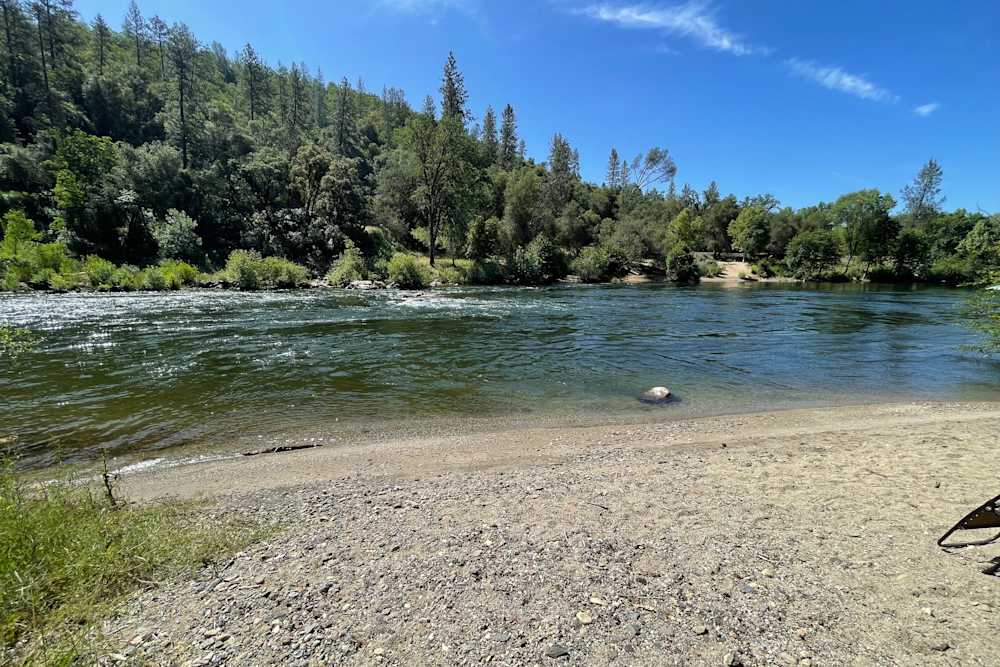
River Park Resort -
River Park Resort delivers on the basics that matter most: flat, spacious sites steps from the American River, genuinely clean bathrooms and showers, and a host (Mike) who communicates well and makes logistics easy. Multiple groups of 20+ have pulled it off here, and the sound of rushing water drowns out road noise better than you'd expect.
Book on Hipcamp
Gold Ridge Forest
Gold Ridge Forest is a strong pick for large groups who want a private, forested base camp near Jenkinson Lake — host Jason rents to one group at a time, provides firewood, power, water, and even a lake parking pass, then largely leaves you alone. The stargazing is legitimately impressive and the 15-20 minute walk to the lake is a real perk.
Book on Hipcamp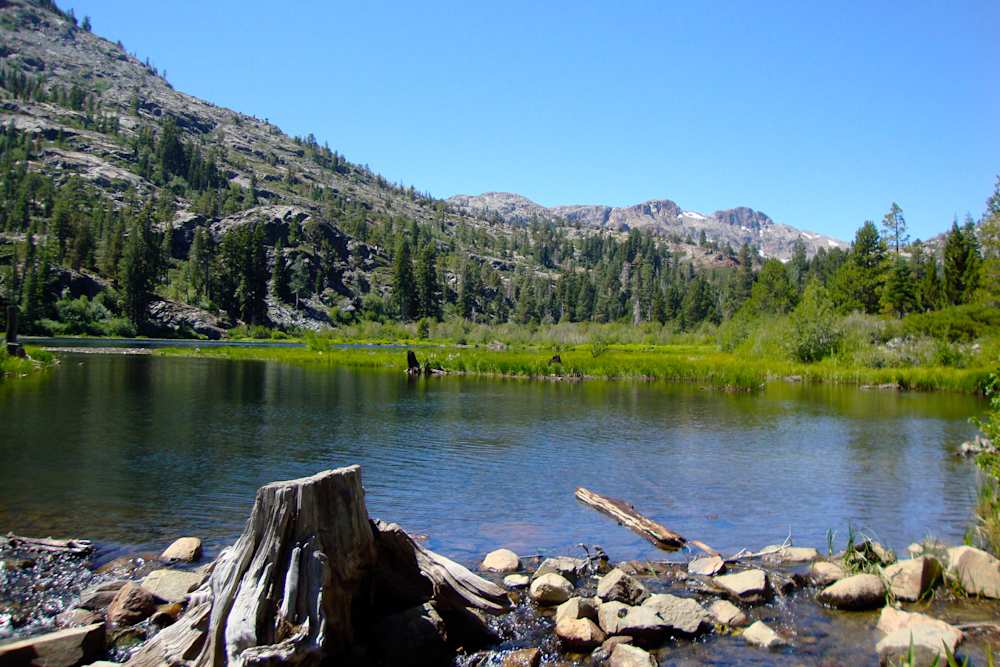
Fallen Leaf Campground
Fallen Leaf Campground is the quieter, less-crowded alternative to the main Tahoe circus — sites on the outer loop near the trailhead or around site 86 are the sweet spots, and the pressure-washed shower facilities with coin-op hot water are a cut above typical Forest Service camping. Book well in advance and bring your bike; the trail connections and proximity to Fallen Leaf Lake are the real draws.
Visit Official Site
Meeks Bay Campground
Meeks Bay's main selling point is unambiguous: you're right on Lake Tahoe with easy beach access and on-site kayak rentals at reasonable prices, but go in knowing the sites are small and tightly packed, Highway 89 traffic noise is a real issue during the day, and the place runs at full capacity with service to match. It's a location play, not a serenity play.
Visit Official Site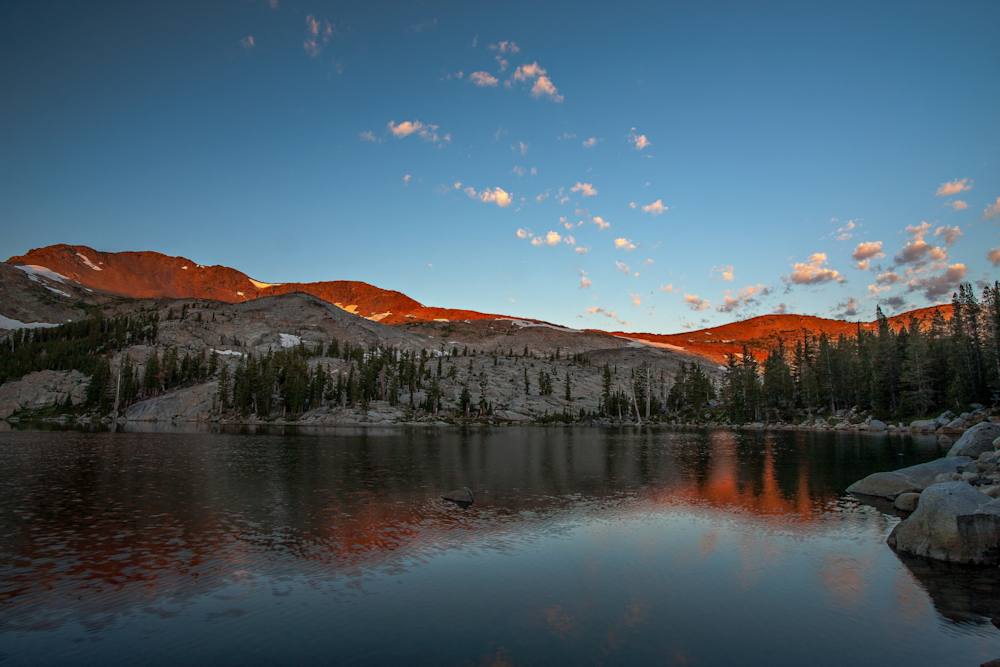
William Kent Campground
William Kent is a solid, well-situated campground just five minutes from Tahoe City with large sites and clean facilities — early season visits can mean a nearly empty, peaceful camp. Bears are a real presence here, so use the provided bear containers without fail.
Visit Official Site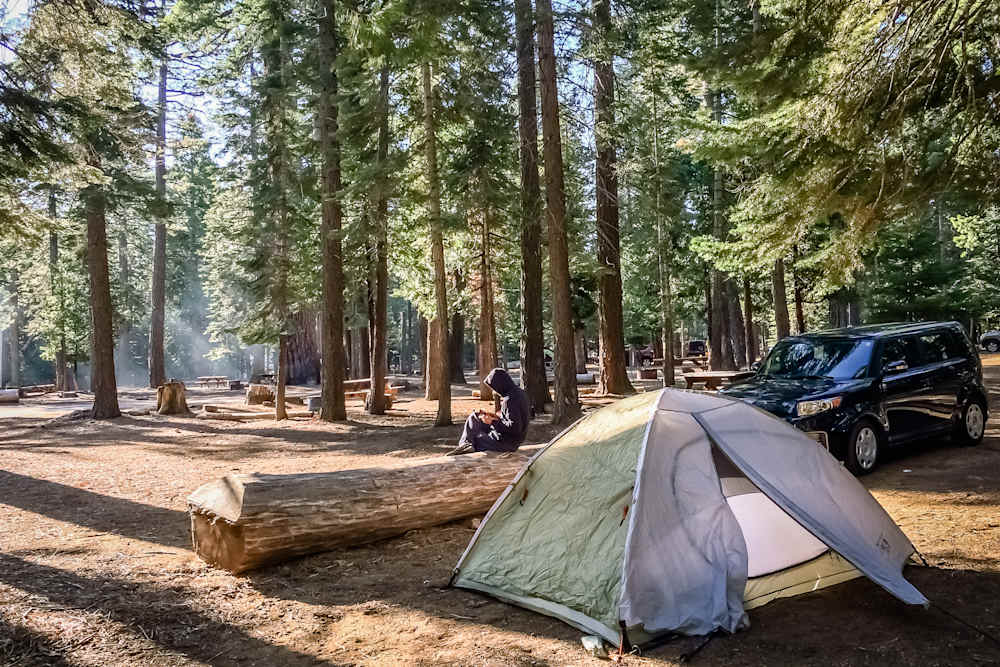
Camp Richardson
Camp Richardson sits in a convenient spot near South Lake Tahoe, but availability is tight — multiple visitors couldn't snag a site at all. If you do get in, expect occasional bear sightings as part of the package.
Visit Official Site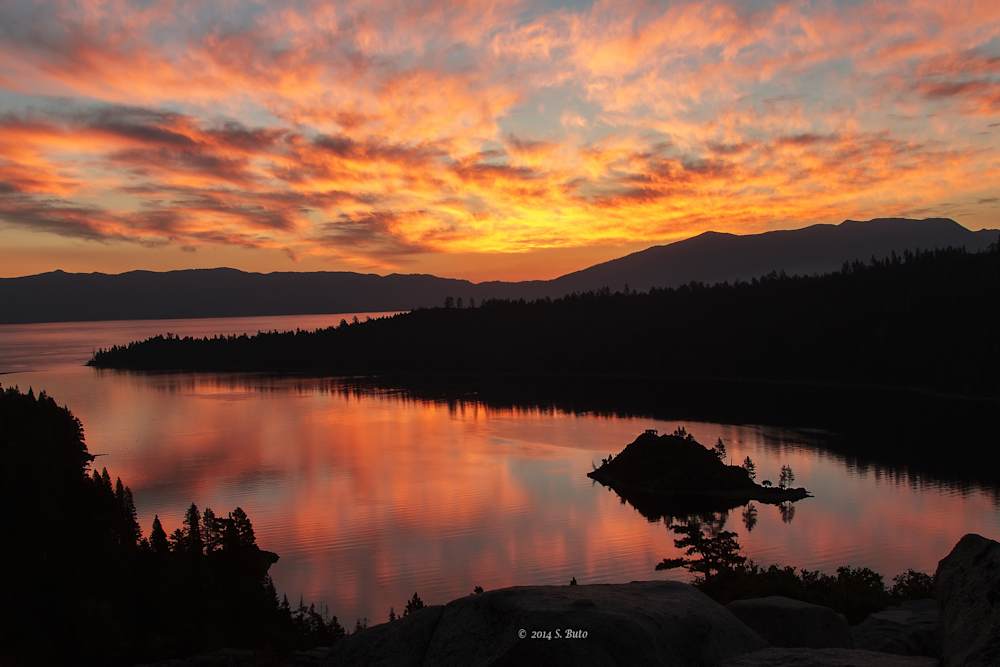
Nevada Beach Campground
Nevada Beach earns high praise from those who've been, but the single consistent piece of advice is to reserve well in advance — spots here don't last.
Visit Official SitePlanning Your Lake Tahoe Trip
Best Time to Visit
July and August are peak—warm enough to swim, all roads open, and every campfire ring occupied. The tradeoff is that reservations for sites like D.L. Bliss and Emerald Bay open six months in advance, and the good ones go in minutes. If you want a summer site at a popular California state park campground here, set a calendar reminder for exactly six months out and be ready at 7 a.m. when the window opens. This is not a figure of speech.
Late June is an underrated window. Snow is mostly off the passes, wildflowers are peaking in Desolation Wilderness, and the crowds haven't fully materialized yet. Water temperatures are cold but swimmable for people who grew up surfing in Northern California.
September and early October are arguably the best weeks of the year. Summer crowds thin out, aspens on the Nevada side and in the Tahoe basin start turning gold, and the light goes warm and low in the afternoons. Temperatures drop at night—pack layers—but days are reliably clear and the lake surface turns glassy.
Avoid the window between late October and late May unless you're specifically set up for winter camping. Snowfall is heavy, many campgrounds close, and the mountain passes can shut with no warning.
What to Know Before You Go
The reservation reality. Lake Tahoe's best campgrounds—D.L. Bliss, Emerald Bay, Fallen Leaf, Camp Richardson—operate on California's Recreation.gov and ReserveCalifornia systems, both of which open reservations exactly six months ahead. Peak summer weekends book solid within the first hour. If you miss the window, check cancellations compulsively; they happen constantly as plans change.
Desolation Wilderness permits. Any overnight trip into Desolation Wilderness requires a permit, and quotas apply. Day-use is free and walk-up. Overnight permits can be reserved at Recreation.gov starting in late April for the season. The Bayview trailhead and Echo Lakes trailhead are the most common entry points from the Tahoe side. The wilderness is stunning and worth every bit of the permit paperwork.
Bear canisters. Black bears are active around the lake. All food and scented items must be stored in hard-sided containers or bear boxes at designated campgrounds. Leaving food in a car is not acceptable—bears in the Tahoe basin have learned to open car doors. Bring a canister for any backcountry trip.
Fire restrictions. The Tahoe basin has some of the tightest fire restrictions in California. Stage 1 and Stage 2 fire restrictions drop regularly through summer and fall. Check Inciweb and the USFS Eldorado National Forest pages before your trip. Established campground fire rings are usually still usable under Stage 1, but dispersed site fires may be banned entirely.
Altitude. You're camping above 6,000 feet. If you're coming from sea level, expect the first day to feel sluggish. Drink more water than you think you need. Afternoon thunderstorms build fast in July and August—plan hikes for mornings and be off exposed ridges by noon.
The reservation alternative: D.L. Bliss and Emerald Bay sell out in minutes when the booking window opens. If you missed the window, Hipcamp lists private campsites around the Tahoe basin—properties on the California and Nevada sides that don't go through ReserveCalifornia or Recreation.gov. They won't be lakefront state park sites, but they'll put you within easy driving distance of the water with a confirmed reservation instead of a hope and a prayer.
Nearby Activities
Eagle Falls and Vikingsholm. The trail from Emerald Bay's upper parking lot drops steeply to Eagle Falls—a multi-tiered cascade that pours directly into the bay—and continues down to Vikingsholm, a Scandinavian-style mansion built in 1929 right on the water. The 1.5-mile round trip is steep on the way back but absolutely worth it. Arrive early; the parking lot fills by 9 a.m. on summer weekends.
Desolation Wilderness day hikes. Granite Lake from the Bayview trailhead is a classic 2-mile out-and-back with lake views. Pyramid Peak from the Glen Alpine trailhead is a serious 8-mile climb with one of the best summit views in the Sierra. No permit required for day use.
Sand Harbor. The Nevada side beach is arguably the prettiest swimming spot at the lake. Large granite slabs, clear shallow water, and a calmer vibe than the California side beaches. The Shakespeare Festival runs outdoor performances here in summer—camping at a Nevada campground and catching a lakeside show is one of the more civilized evenings Tahoe offers.
Tahoe Rim Trail. The 165-mile loop circumnavigates the entire lake at elevation. Day hike any segment you want—the stretch between Spooner Summit and Marlette Lake on the Nevada side is exceptional and surprisingly empty. The TRT shares miles with the PCT in Desolation Wilderness.
Kayaking and paddleboarding. Kayak rentals are available at multiple points around the lake. Paddling into Emerald Bay from D.L. Bliss on a calm morning, before the wind picks up, is one of those experiences you'll describe to people for years.
Frequently Asked Questions
How far in advance do Lake Tahoe campgrounds book up?
The most popular sites—D.L. Bliss, Emerald Bay, Fallen Leaf—open reservations exactly six months in advance on ReserveCalifornia. Prime summer weekends (July 4th, Labor Day) can sell out within the first 30 minutes the booking window opens. Set a reminder for exactly 6 months before your intended arrival date and log in before 7 a.m. Pacific time. Cancellation spots open up frequently if you miss the initial window, so checking daily for the two weeks before your trip is worth the effort.
Do I need a permit to hike in Desolation Wilderness?
Day hikes into Desolation Wilderness are free and require no permit—just self-register at the trailhead. Overnight trips require a permit with a quota. Permits open on Recreation.gov in late April for the season ahead. Trailheads like Bayview, Echo Lakes, and Glen Alpine are the primary Tahoe-side entry points. If you show up without a reservation, a small number of walk-up permits are available at the trailhead on a first-come, first-served basis—arrive early.
Is camping on the Nevada side of Lake Tahoe worth it?
Yes—and it's an underused option. Lake Tahoe Nevada State Park includes Sand Harbor, one of the most beautiful beaches at the lake, plus campgrounds that run on Nevada's reservation system rather than ReserveCalifornia. That means a different booking window and often more availability when California sites are locked up months out. Nevada campgrounds tend to have fewer amenities than California state park campgrounds, but the lake access is just as good and the crowds are lighter.
Where do I see Eagle Falls?
Eagle Falls is located at the Emerald Bay State Park day-use area, off Highway 89 on the west shore. A short, steep trail drops from the highway-level parking lot to the upper falls, then continues down to Vikingsholm and the bay. The falls are most impressive in late spring and early summer when snowmelt is still running strong. Parking fills completely by mid-morning on weekends—arrive before 8:30 a.m. or use the shuttle from the D.L. Bliss parking area when it's running.
Can you swim in Lake Tahoe from campgrounds?
Yes, and it's exceptional. D.L. Bliss has a sandy beach within easy walking distance of the campground that's one of the best swimming spots on the California side. Emerald Bay has calmer water inside the cove, though the beach is smaller. Water temperatures peak in August around 68–72°F at the surface near shore—cold by Southern California standards, perfect by Northern California standards. The clarity is absurd: you can see the bottom clearly in 10 feet of water, and visibility runs to 70-plus feet in the deeper sections.
What are the fire rules like at Lake Tahoe campgrounds?
Fire restrictions at Tahoe fluctuate based on fire danger throughout summer and fall. Stage 1 restrictions (the most common) typically prohibit campfires outside of established fire rings and metal containers—most developed campgrounds are still okay. Stage 2 restrictions ban all open fires including in camp rings. Check the Eldorado National Forest and Lake Tahoe Basin Management Unit pages before your trip, and always confirm on arrival. The stakes of ignoring these rules in the Sierra Nevada are severe—don't wing it.
Wildlife Sounds
Observations from iNaturalist