Sequoia
By Julian Bialowas & Daniel Tomko·Updated April 2026
There is no preparing yourself for General Sherman. You've seen the photos, you've read the numbers—274 feet tall, 36 feet in diameter at the base, roughly 2.7 million pounds of living wood—and none of it lands until you're standing at its base with your neck craned back, trying to find the top. It doesn't look real. It looks like something a child drew when asked to imagine the biggest tree possible. Then you notice the tree next to it is nearly as big, and the one next to that, and you realize you're inside a grove of dozens of these things and the scale just keeps recalibrating.
Sequoia National Park sits in the southern Sierra Nevada, accessed via the Generals Highway—a narrow, winding two-laner that climbs from the foothills into giant sequoia country. The drive itself is part of the experience: you pass through oak woodland and ponderosa pine forest before the sequoias appear suddenly, unmistakably, like someone switched the scale of everything without telling you. The road tops out around 7,500 feet near the Giant Forest, where the densest sequoia groves in the park live alongside meadows, creeks, and 60+ miles of trail.
Lodgepole Campground is the main base of operations for most visitors—214 sites along the Marble Fork of the Kaweah River, with a camp store, market, deli, and visitor center all within easy walking distance. It's lively but well-run. If you want something quieter, Dorst Creek Campground sits higher up in the park with more ponderosa shade and significantly fewer neighbors. Both book out months ahead in summer—plan accordingly.
The park's trail highlights read like a checklist of things that shouldn't exist in one place. Moro Rock is a granite dome you summit via 350 carved steps, and the 360-degree view from the top—Great Western Divide to the east, San Joaquin Valley smog layer to the west—is jaw-dropping. Crystal Cave is a marble cavern discovered in 1918, accessible only by ranger-led tour, where stalactites and stalagmites grow in formations that took tens of thousands of years to build. Tours sell out weeks in advance; tickets must be purchased online before you arrive. Crescent Meadow, at the end of a short drive from Lodgepole, is the kind of place John Muir called "the gem of the Sierra"—a sub-alpine meadow ringed by sequoias, threaded by a trail that's flat, quiet, and beautiful at any time of day.
What surprises most first-timers is how much of Sequoia remains wild and uncrowded beyond the Giant Forest corridor. The park covers 404,000 acres, and the backcountry—accessible from trailheads at Lodgepole, Wolverton, and Crescent Meadow—is lightly traveled even in peak season. Get a wilderness permit and walk two days in any direction and you will be entirely alone with the mountains.
Top Campgrounds Near Sequoia

Five Fours Camp in Three Rivers
Brewster's spot just outside the Sequoia entrance punches above its weight — you get a hammock with star views, an outdoor shower, wildlife wandering through, and a host who stays up late to greet you. It's essentially a turnkey camp setup, and the deck view of Moro Rock is the kind of thing you don't expect at a private site.
Book on Hipcamp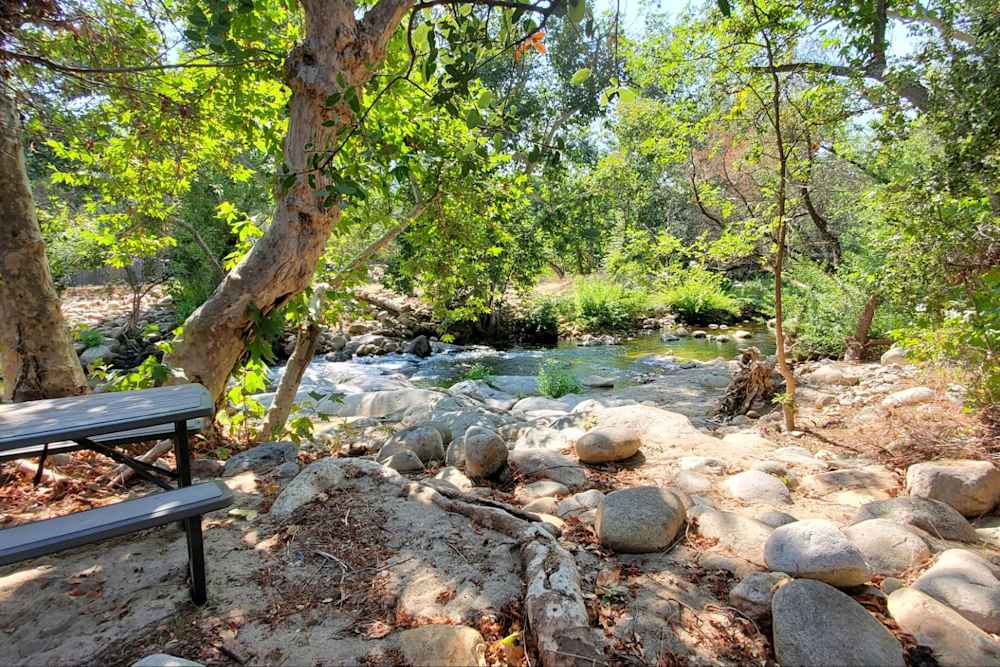
Isky Ranch
Isky Ranch earns its reputation on the strength of its river access — reviewers consistently describe sitting directly in the current on the rocky riverbed, with Turkey Vultures and Acorn Woodpeckers putting on a show overhead. Allison is a reliably communicative host, and the Sycamore shade keeps the site feeling genuinely private, though at least two guests flagged a loud neighboring property.
Book on Hipcamp
Blue Moon Orchard Retreat
Blue Moon Orchard Retreat is a working farm with sheep, cats, citrus trees, and olive groves — the animals and atmosphere are the main draw, especially for kids. The glamping tent is clean and comfortable, but if you're booking a raw tent or RV site, know that some spots lack shade and privacy, and the grounds are a bit uneven in upkeep.
Book on Hipcamp
Sequoia Mountain Farms
Sequoia Mountain Farms has genuinely good infrastructure — flushable toilets, hot showers, and a layout that's more spread out than it first appears — and the Kings Canyon access and night views over Fresno are real selling points. Navigation to your specific site can be confusing on arrival, and a couple of recent reviews suggest maintenance has slipped, so it's worth confirming your booking details carefully before you pull in.
Book on Hipcamp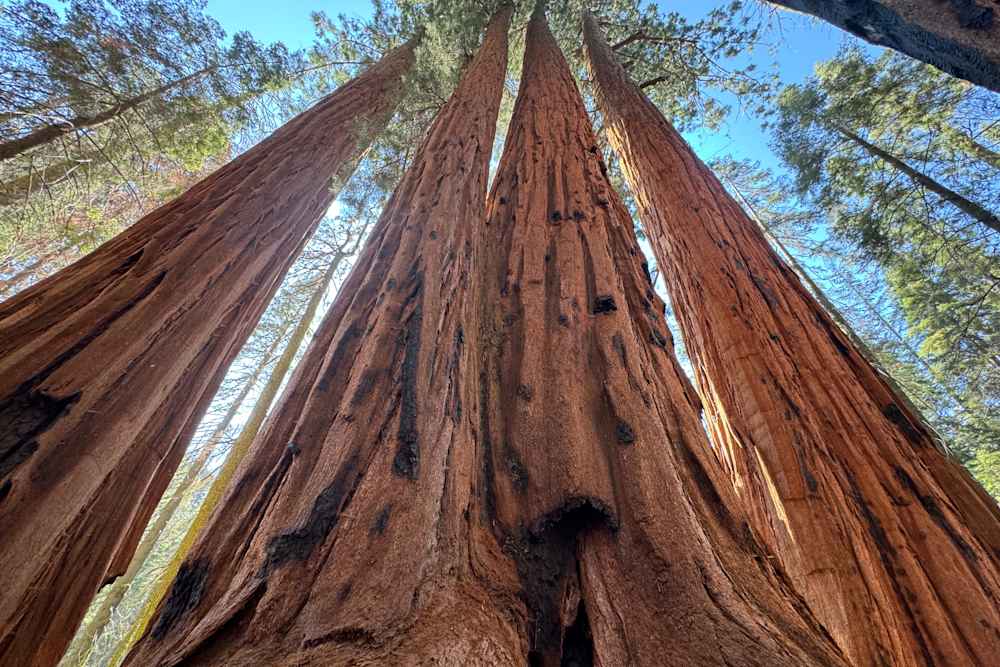
3R Ranch Retreat w/ Wifi
A comfortable, well-stocked RV near Three Rivers that puts you about 45 minutes from Sequoia and walking distance from food, a brewery, and a gas station — genuinely useful when you're using it as a base camp rather than a destination. Host Samir gets consistently high marks for responsiveness, and the AC was a legitimate lifesaver during a heat wave.
Book on Hipcamp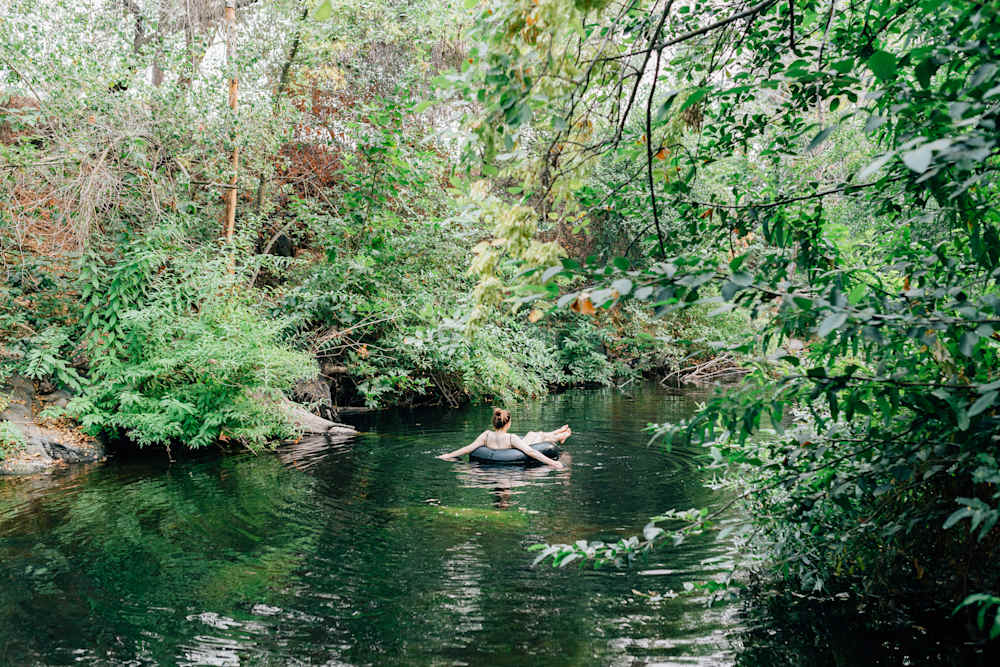
Sierra Ranch - Cabins & Tents
Sierra Ranch is a well-equipped property with a pavilion, full outdoor kitchen, riverfront swimming, and a mix of cabins and tent sites — it genuinely works for families, groups, and solo glampers alike. Host Gary has thought through the details, from camp chairs already set up at the creek to a large communal fridge, and the river sounds at night are a real perk.
Book on Hipcamp
Moro Rock View
Joe's tidy studio sits four miles from the Sequoia entrance and consistently delivers more than guests expect — think stocked Keurig pods, solid water pressure, and a host who actually knows the park well enough to give you useful tips on timing and trails. It's a private detached building, so it feels more like your own place than a spare room.
Book on Hipcamp
Three Rivers Sequoia Camp
Sonja's camp spot is a cut above a bare patch of grass — she sets up the tent, leaves a starter kit of snacks and coffee, keeps the bathroom sparkling, and throws in a trampoline for stargazing. The resident ducks, cats, and occasional deer add to the charm, though light sleepers should know neighboring animals can be heard overnight.
Book on Hipcamp
Sequoia Secluded Escape
A genuinely remote solar-powered cabin near Sequoia NP that rewards patient drivers willing to tackle the winding 25-minute road up from Three Rivers — Kiley's attentive hosting and hands-on problem-solving (including mid-trip generator fixes) make the off-grid quirks easy to forgive. Dogs roam freely, stars are spectacular, and the views from the cabin are legitimately breathtaking.
Book on Hipcamp
Lodgepole Campground
Lodgepole is a well-maintained, activity-rich base inside Sequoia with the Tokopah Falls trailhead right in camp and a roaring river nearby — just know it gets crowded in summer and ground wasps can be a real nuisance at certain sites in August. If you can score a spot, it's the kind of place people wish they'd booked for longer.
Visit Official Site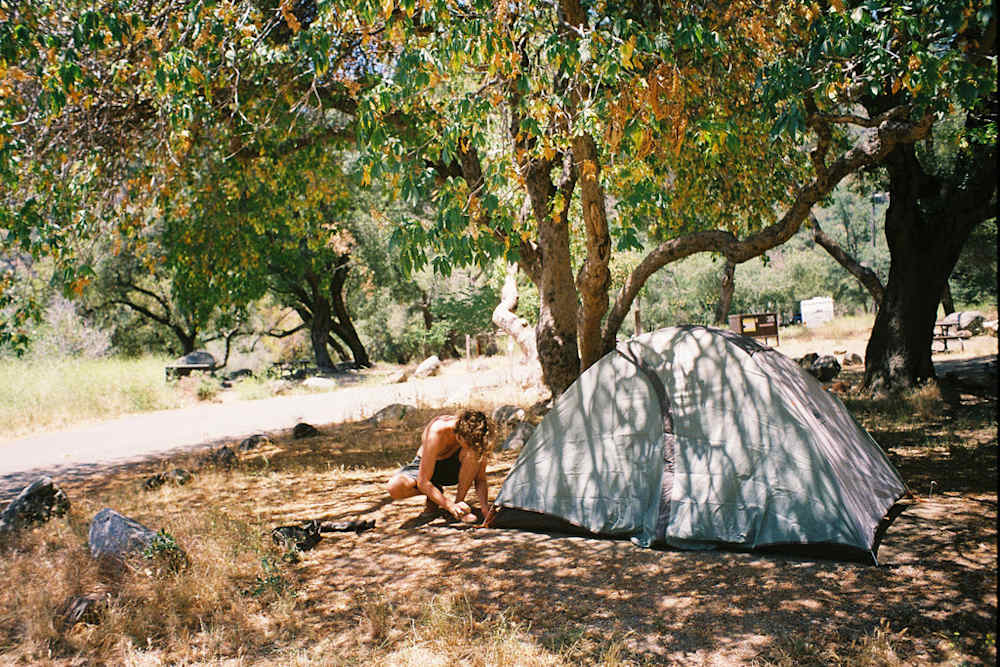
Potwisha Campground
Potwisha sits at the lower, warmer entrance to Sequoia — great for dog-friendly visits, snow-free shoulder seasons, and quick river access across the road, but summer tent campers should know temperatures can crack 105°F and the rocky ground fights tent stakes hard. The wasp situation near food is a recurring theme worth taking seriously before you unpack the cooler.
Visit Official Site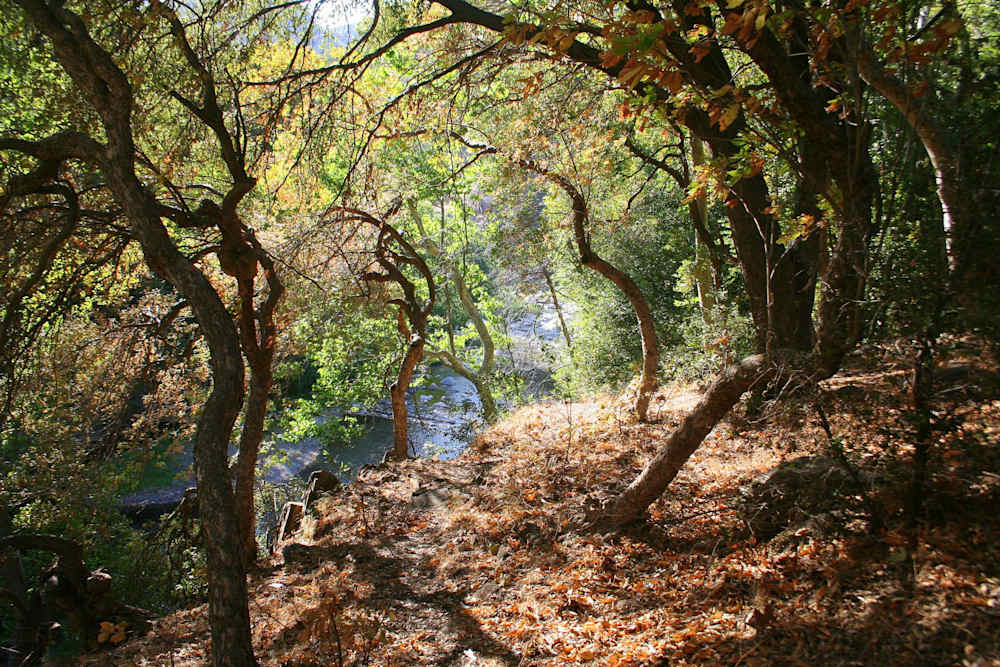
Buckeye Flat Campground
Buckeye Flat is a gem for anyone who wants the Kaweah River as a campsite soundtrack — the water wraps through the whole camp and ranges from swimmable to raging depending on snowmelt, with sites #18 and #19 called out as the sweet spots. It's clean, shaded, shuttle-accessible to General Sherman, and close enough to trails that you barely need to drive — though mountain lion sightings near the camp trail are a real thing.
Visit Official Site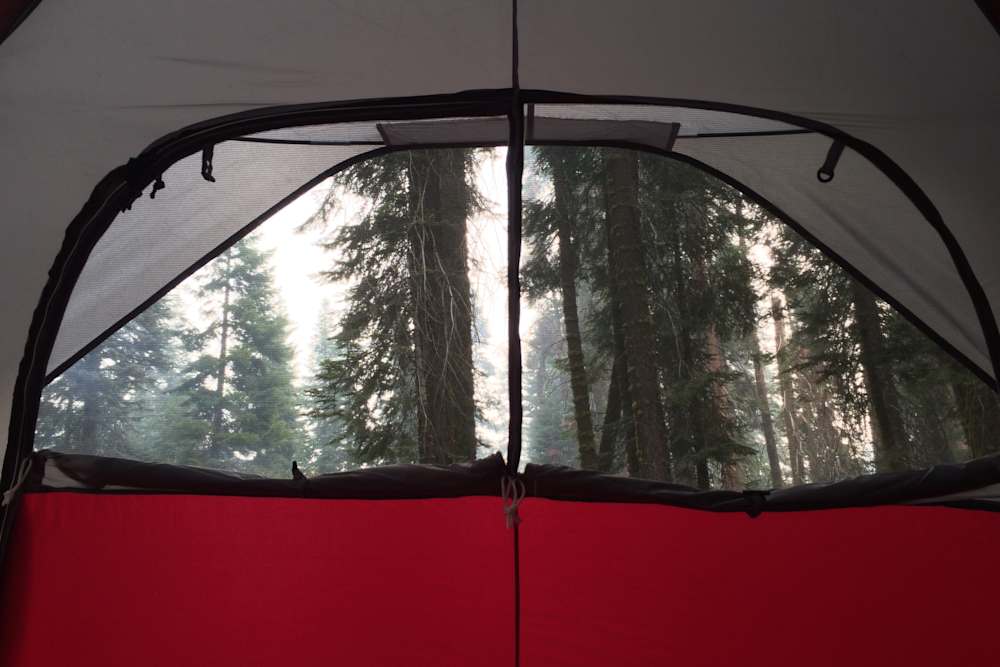
Dorst Creek Campground
Dorst Creek puts you right in the heart of Sequoia's giant sequoia groves with spacious sites and easy shuttle access to the wider park — but go in with eyes open: bears are genuinely active here, and fellow campers who ignore food storage rules make it worse for everyone. Sites vary in privacy, so if you can snag a walk-up like #120, you may do better than you'd expect.
Visit Official Site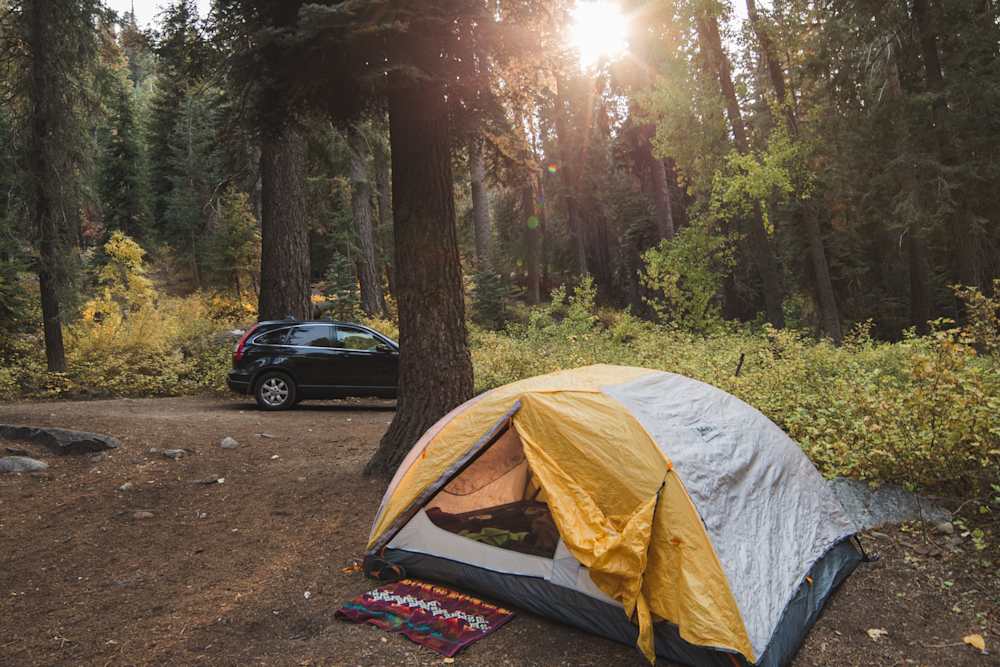
Cold Springs Campground
Cold Springs rewards the effort of that long, winding mountain road with genuinely refreshing water straight from the tap, star-filled skies good enough to sleep under, and access to solid day hikes like Mosquito Lake — just know that site quality varies a lot, early arrivals may get stuck in full sun, and the flies bite, so pack bug spray.
Visit Official SitePlanning Your Sequoia Trip
Best Time to Visit
Late May through early October is the primary window, with July and August representing peak visitation and peak competition for campsites. The Generals Highway typically opens in full by late May after winter plowing, and the cave tours and high-country trails become accessible around the same time.
September is the sweet spot. Crowds thin noticeably after Labor Day, the light turns golden and long, temperatures are perfect for hiking—mid-60s to low-70s at elevation—and reservations, while still required, are far easier to secure. The sequoias don't change color, but the surrounding forest turns amber and gold, and the whole park takes on a more contemplative quality.
June can be spectacular for wildflowers in the mid-elevation meadows, but snow can linger on high trails into early June and the Generals Highway has occasionally been closed into late May in heavy snow years. Always check road conditions on the NPS website before driving up.
Winter is underrated—the sequoias in snow are otherworldly, and Lodgepole operates year-round as a smaller winter campground. Roads above the Giant Forest are often closed, but snowshoeing and cross-country skiing into the groves is an experience most visitors never have. You'll need chains and cold-weather gear.
Avoid the Fourth of July weekend unless you have reservations locked months ahead and infinite patience for traffic. The Generals Highway into the park can back up for hours on holiday weekends.
What to Know Before You Go
Reservations are mandatory at Lodgepole and Dorst Creek campgrounds from mid-May through mid-September. Book through Recreation.gov six months out to the day—set an alarm. Walk-up sites occasionally open when cancellations come through, but don't bank on it in summer. First-come sites exist at Potwisha and South Fork campgrounds at lower elevations, but those are hot and exposed in July and August.
The Generals Highway is not for large vehicles. Anything over 22 feet—including tow vehicles with trailers—is prohibited on the section between Potwisha and the Giant Forest. This is enforced. If you're pulling a large trailer, use the Highway 180 entrance through Grant Grove instead. Check the NPS site for current size restrictions before you go.
Crystal Cave tickets must be bought in advance online at recreation.gov. There is no ticket booth at the cave. If you arrive without a ticket, you don't get in. Tours run daily from mid-May through late November, with 45-minute Discovery Tours and longer Wild Cave tours for those who want to get muddy in a crawlspace.
Bears are real and the NPS takes them seriously. Hard-sided bear boxes are at every campsite—use them for all food, scented items, and anything with a smell, including sunscreen and toothpaste. Bear canisters are required for overnight backpacking. The Lodgepole area has frequent bear activity; leaving anything in your car overnight is both illegal and an invitation for property damage.
Cell service is essentially nonexistent in the park. Download offline maps (Gaia GPS or AllTrails) before you lose signal on the Generals Highway. The Lodgepole visitor center has rangers who know the trail conditions better than any app.
Altitude matters here. The Giant Forest is at 6,400–7,000 feet. If you're coming from sea level and jumping straight into a long hike, give yourself a day to acclimatize. Headaches and fatigue are common on day one for people who push too hard too fast.
Nearby Activities
The Congress Trail is the essential 2-mile loop from the General Sherman trailhead—flat, paved, and threading through the densest collection of named giant sequoias in the park. President Tree, Chief Sequoyah, the House Group. Do it early morning before the crowds arrive and it stops you in your tracks.
Moro Rock (350 steps, no technical skill required) rewards with one of the best panoramic views in the southern Sierra. The Great Western Divide fills the eastern horizon, snow-capped well into summer. Allow 45 minutes round-trip; longer if the view glues you to the railing.
Crescent Meadow and Log Meadow Loop is 1.6 miles of pure serenity—a loop trail through a meadow and along creekside forest, passing Tharp's Log, a hollowed-out sequoia that a cattleman actually lived in during the 1860s. One of the most pleasant easy hikes in the park.
Alta Peak is the park's best full-day objective—an 11,204-foot summit reached via a 14-mile round-trip from Wolverton. The views span Sequoia, Kings Canyon, and on clear days, the Coast Ranges 100 miles west. Start early, bring layers, and don't attempt it until snowpack clears (typically July).
Kaweah River swimming holes near the Potwisha campground are a locals' favorite on hot summer days. The water is cold and swift—check conditions with rangers before letting kids in. There are calmer pools further upstream.
Mineral King is worth its own trip—a remote side valley at 7,800 feet, reached via a narrow 25-mile road that should be its own bucket list item. Day hiking and backpacking in the southern Sierra at its most dramatic, with almost none of the crowds from the Giant Forest.
Frequently Asked Questions
How far in advance do I need to book Lodgepole Campground?
For summer weekends (mid-June through Labor Day), six months is not an exaggeration—the first available booking window opens exactly six months ahead on Recreation.gov at 7am Pacific, and popular sites go within minutes. For weekdays in July and August, you may have better luck booking 2–3 months out. September and October are more forgiving, but still book as early as you can. If you miss the reservation window, check for cancellations 2–3 days before your target date—people cancel constantly.
Do I need a reservation just to enter the park?
As of 2026, Sequoia and Kings Canyon do not require a separate timed entry reservation beyond your campground booking or day-use reservation. However, the NPS has implemented timed entry systems on short notice in past high-traffic years, particularly around holiday weekends. Check the official NPS site (nps.gov/seki) 1–2 weeks before your trip. Entrance fees are $35 per vehicle for a 7-day pass, or covered by the America the Beautiful annual pass.
Can I see General Sherman Tree and Moro Rock in a single day?
Comfortably, yes—both are accessible from the Giant Forest area, about 5 miles apart. General Sherman via the Congress Trail takes 1.5–2 hours for the full loop; Moro Rock is a 45-minute round-trip. Add Crescent Meadow and you've got a full but not punishing day. The bottleneck is parking—the General Sherman lot fills by 9am on summer days. The NPS runs a free shuttle from Lodgepole, Wuksachi, and Dorst Creek that eliminates the parking problem entirely. Take the shuttle.
Are Crystal Cave tours worth it, and how do I book them?
Worth it—especially if you've never been in an undeveloped marble cave. The 45-minute Discovery Tour is well-paced and covers the main chambers with good interpretation. The Wild Cave Tour is for people who want to squeeze through tight passages with headlamps and get genuinely dirty. Both must be booked at recreation.gov before you arrive—there is no walk-up ticketing at the cave. Buy tickets when you book your campsite. The cave is a 3-mile drive from the Generals Highway on a narrow road, not accessible by shuttle.
Is Sequoia accessible in winter, and is it worth visiting?
Parts of the park are open year-round, including Lodgepole (with a reduced winter campground), and the sequoia groves in snow are honestly more spectacular than in summer—the contrast of russet bark against white is unforgettable. The Generals Highway between the Foothills Visitor Center and the Giant Forest may require chains or be closed during and after storms. Snowshoeing in the Giant Forest is excellent, with marked routes. Call the park road conditions hotline (559-565-3341) before driving up in winter.
What's the best hike in Sequoia for someone who isn't a strong hiker?
The Congress Trail—a 2-mile paved loop from the General Sherman trailhead—is flat and accessible, and it passes more named giant sequoias than any other trail in the park. For something slightly more scenic, the Crescent Meadow Loop (1.6 miles, minimal elevation change) through an alpine meadow with sequoia fringe is peaceful and beautiful. Both are worth doing even if you're an experienced hiker. Skip them mid-afternoon on summer weekends and go at first light instead.
Wildlife Sounds
Observations from iNaturalist