Central Coast
By Julian Bialowas & Daniel Tomko·Updated April 2026
The Central Coast is what happens when California stops trying to impress you and just is itself. No singular marquee attraction, no overwhelming crowds, no reservation lottery that feels like applying for a mortgage—just 200 miles of coastline where the Santa Lucia Range rolls into the Pacific, sea otters float in kelp beds off rocky points, and dairy cows graze on bluffs above the surf. If Big Sur is the lead singer, the Central Coast is the guitarist everyone forgets about until they really start listening.
Montana de Oro State Park is the centerpiece and the open secret locals guard jealously. Seven miles of undeveloped coastline, including Bluff Trail—a flat walk along crumbling cliffs above surge channels where the water turns turquoise in afternoon light. The campground at Islay Creek sits in a valley of coastal scrub and eucalyptus, just far enough from the bluffs to feel sheltered. Sites are first-come, first-served in the hike-in area; a few reservable sites exist but they go fast.
Morro Bay anchors the northern end of the region with its 576-foot volcanic plug rising from the harbor like a misplaced mountain. The Morro Bay State Park campground is a legitimate base camp—showers, easy access to the estuary kayak launch, and enough sites that you don't feel stacked on top of your neighbors. The town itself earns its keep: fresh clam chowder on the embarcadero, kayak rentals within walking distance of camp, and sunsets over the rock that people drive hours to see.
North of Morro Bay, San Simeon Creek Campground puts you a short drive from Hearst Castle and literally across the highway from Moonstone Beach. The beach itself is one of the better-kept secrets on this stretch of coast: a long crescent of fine gray sand, more jade pebbles than moonstones these days but worth combing, and whale migration traffic from December through April that can turn an afternoon walk into something extraordinary. The campground is exposed—wind is a fact of life—but the tradeoff is ocean views from your picnic table.
The proximity to Hearst Castle is worth your time even if you think you don't care about Gilded Age excess. The Neptune Pool, the Roman Pool, the sheer audacity of building a 165-room castle on a private hilltop overlooking the Pacific—whatever you think going in, you come out with a different perspective. Evening tours in particular hit differently when the pools are lit up and the coast stretches dark below you.
Top Campgrounds Near Central Coast

Cuyama Badlands
Songdog Ranch in the Cuyama Badlands is the real deal for anyone craving genuine remoteness—well water at the sites, sweeping desert views, and that signature Ballinger Canyon wind howl that reviewers keep coming back to describe. The hosts Jim, Jenny, and Steve are consistently praised by name, and multiple guests mention booking their next stay before they've even left.
Book on Hipcamp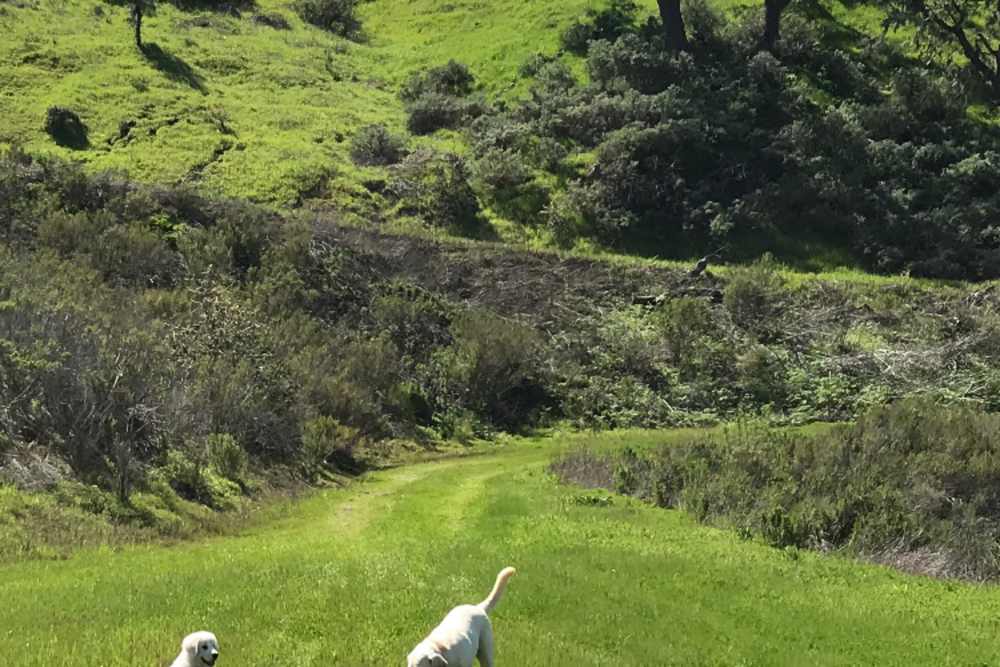
Freedog Farms @ Cactus Flower Ranch
Freedog Farms is a genuinely quirky, perpetually-evolving farm property where hosts Sierra and Darin set the tone—think quad tours on arrival, beers on tap in the barn, fresh duck eggs, and goats wandering by. It's rustic and a little eclectic, but the sites are clean and well-kept, and the host experience alone is worth the trip.
Book on Hipcamp
Mt Rancho (FKA La Montaña Ranch)
Mt Rancho sits high on a ridge about 20 minutes from SLO, with panoramic views that stretch toward the ocean on one side and the mountains on the other—though you'll want a proper 4x4 and some confidence on a steep, narrow road to get there. Hosts Karina and Chris are hands-on and responsive, the farm animals (pigs, goats, sheep) wander into camp, and the tradeoff for the remote feel is that driving into town regularly isn't really practical.
Book on Hipcamp
Fern Ridge Flats - Private Camping
Fern Ridge Flats punches above its weight for an accessible site—it's only 15 minutes from town, has potable water, a composting toilet, and a propane fire pit, all tucked into a genuinely private redwood setting. Host Matt earns repeated shout-outs for going well beyond the basics, including helping one guest retrieve a drone stuck in a tree.
Book on Hipcamp
Lobitos Creek
Lobitos Creek is a spacious, flat site perched above rolling hills with genuinely impressive sunrises, sunsets, and stargazing—reviewers repeatedly call it private and peaceful, with dogs and kids thriving in equal measure. Practical touches like a clean porta potty, patio furniture, a hammock stand, and a mowed trail down to dog-friendly Poplar Beach make it easy to settle in, though be ready for heavy morning dew that can soak gear left out overnight.
Book on Hipcamp
Road's End, Bradley Lockwood
Road's End earns its repeat visitors with a rare combination of genuine solitude and practical hookups—electric, potable water, and even an EV charger—set against vineyard views dark enough to photograph the Milky Way. Just come fully stocked: cell service drops to SOS-only, the nearest town is a slow 40-minute drive, and foxtails are a real hazard if you're bringing dogs.
Book on Hipcamp
Audrey Edna Cabin at Alpine Ranch
The Audrey Edna Cabin rewards the few-mile hike in with ridge-top sunset views, surprisingly good cell service, and a genuinely well-stocked interior—two private bedrooms, full kitchen, games, and even a guitar—that handles everything from rainy New Year's weekends to summer family trips. Just know you're packing in and packing out all your trash, so plan accordingly.
Book on Hipcamp
Twisted Branch
Twisted Branch stands out as much for host Jac's warmth—chairs already set out, a tub stocked with takeout menus and playing cards, late-night arrivals welcomed without complaint—as for the sweeping views of Paso Robles hills and the namesake gnarled oaks overhead. Reviewers come back annually for the combination of stargazing, wildlife (cows included), and a level site that works for everything from truck campers to tent setups.
Book on Hipcamp
Windsor Family Farm
Windsor Family Farm is a genuinely charming working-farm glamping experience anchored by host Kim, who consistently goes out of her way to make families feel at home. The alpacas, goats, chickens, and farm-fresh eggs are the real draw, and the optional hot breakfast — think French toast, fresh fruit, and scrambled eggs — is worth every penny of the $35.
Book on Hipcamp
SLO Country Camp
SLO Country Camp is a thoughtfully curated site where hosts Ken and Judi have sweated the details — a wine-barrel bar top, an antique chandelier strung from tree branches, and a surprisingly clean porta-potty with a night light — all with rolling vineyard views and a 10-minute drive to downtown SLO. It's not wilderness camping, but it's the kind of place that earns a spot on your repeat list.
Book on Hipcamp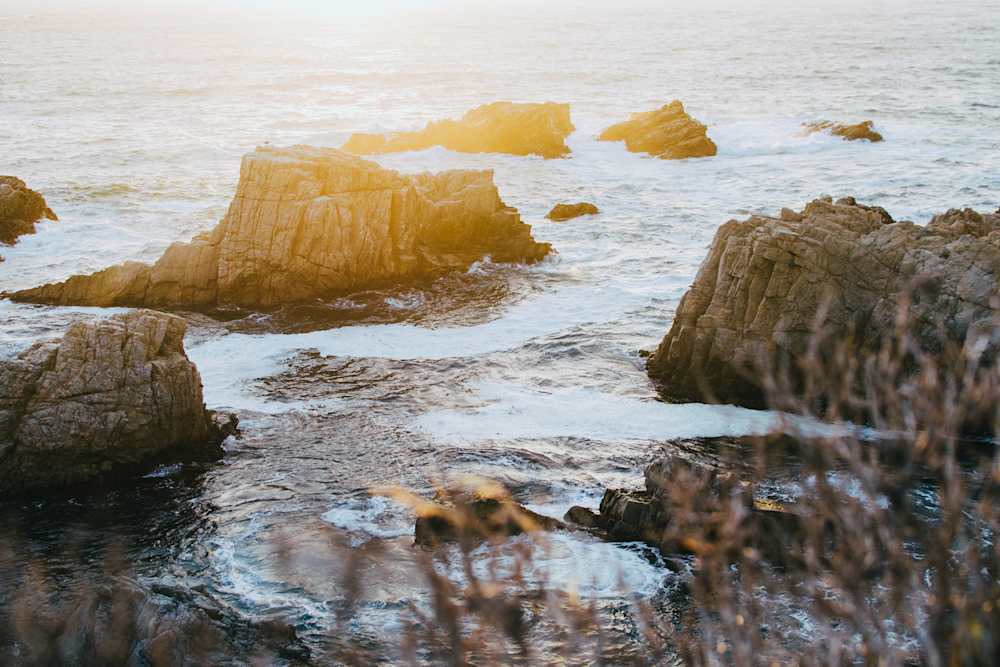
Pfeiffer Big Sur Campground
Pfeiffer Big Sur delivers the classic Big Sur experience — dense redwood canopy, a creek running through camp, hot showers, and easy access to McWay Falls and the coast — though the bathrooms can fall behind on maintenance and road and trail conditions are genuinely unpredictable after rain. Book well ahead and check Caltrans before you go.
Visit Official Site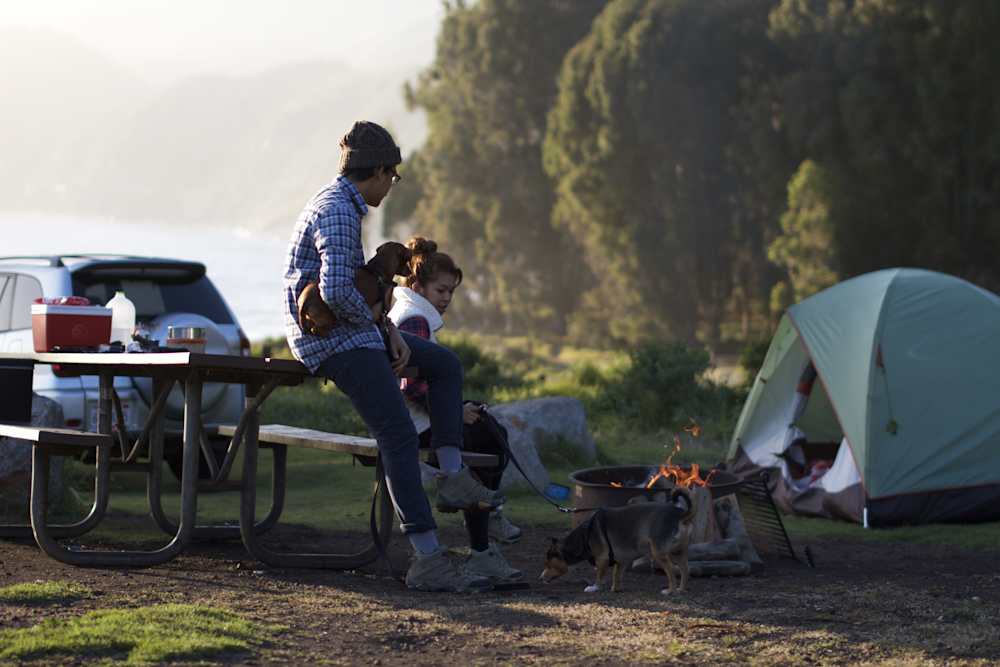
Kirk Creek Campground
Kirk Creek is one of the most dramatic coastal campsites in California — cliffside sites 8 and 9 look straight out over the Pacific and require zero Instagram filtering — but the raccoons here are genuinely bold and persistent, and RV generators have become a growing annoyance for tent campers. Reserve far in advance and use the food storage lockers without exception.
Visit Official Site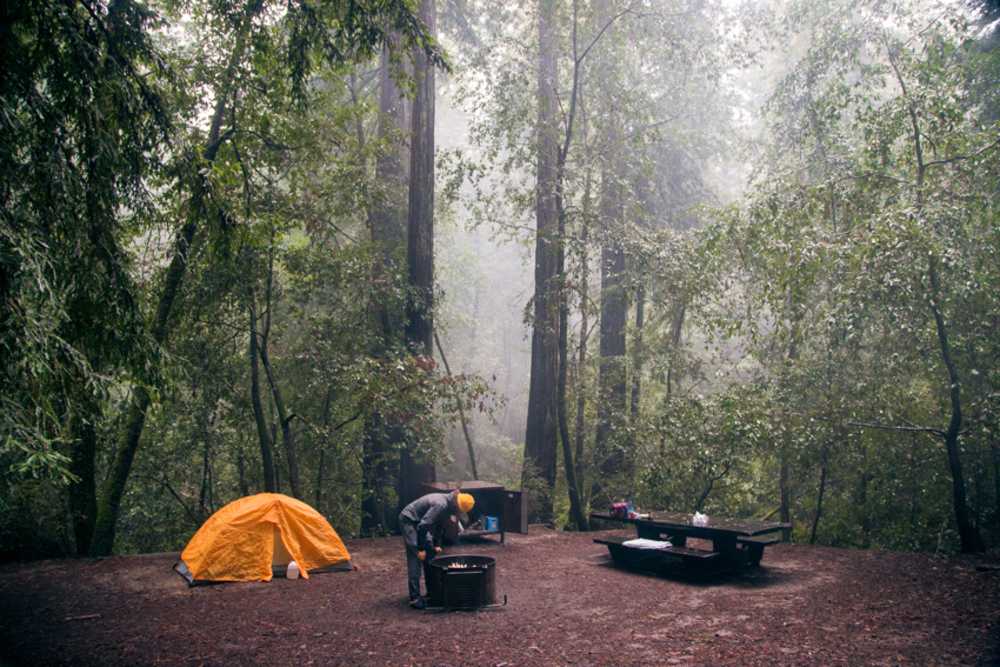
Huckleberry Campground
Huckleberry is a genuinely lovely redwood campground where the spacing between sites and consistently clean restrooms make it worth the trip — campsite 63 is a standout for privacy without sacrificing convenience. Just know that the raccoons and jays are relentless about your food, so use those lockers, and bring cash if you want firewood.
Visit Official Site
Limekiln Campground
Limekiln punches above its weight by offering both beachside and deep-forest redwood sites in the same small park, with a creek running through the middle and a waterfall hike that rewards even casual walkers. The sites aren't especially private from each other, but the communal, almost fairy-tale atmosphere seems to be the whole point — just check current closure status before booking, as storm damage has kept it shut into 2025.
Visit Official Site
Pinnacles Campground
Pinnacles is a compact but genuinely rewarding park, and the campground is a solid base for dark-sky viewing, meteor showers, and early-morning condor sightings up on the mountain — though the raccoons here are just as bold as anywhere else on this coast. Note that hookup sites feel more parking-lot than campground, and larger vehicles should plan carefully for sites deeper in.
Visit Official SitePlanning Your Central Coast Trip
Best Time to Visit
The Central Coast runs nearly year-round, which is one of its most underrated qualities. The seasons have real character, though.
April through June is the sweet spot most people miss. The hills are impossibly green from winter rain, wildflowers hit the coastal bluffs in earnest, and whale watching from the headlands at Montana de Oro peaks in April and May. Weekday camping is often walk-up during this window. Temperatures sit in the low-to-mid 60s—perfect hiking weather, cold enough at night to want a real sleeping bag.
July and August bring the summer fog machine. Marine layer socks in the coast most mornings through early afternoon, burning off to clear, mild afternoons. This frustrates people expecting Southern California beach weather, but if you lean into it—morning coffee while the fog fills the canyons, then a warm afternoon hike—it's beautiful. Campgrounds are fullest now; reserve as far ahead as possible for Morro Bay State Park.
September and October are the insider months. The fog backs off, temperatures warm to the upper 60s and low 70s, summer crowds dissolve, and the light gets that amber-hour quality that lasts all afternoon. Whale watching picks back up. This is the window when the Central Coast shows its best cards.
Winter (November through March) is underestimated. Rain is possible, especially in January and February, but storm breaks bring crystalline air, enormous surf, and empty campgrounds. If you camp in February with good timing, you might have Montana de Oro's bluffs entirely to yourself. Elephant seals at Piedras Blancas rookery peak in January—hundreds of them hauled out on the beach just north of San Simeon, which is free to see from a boardwalk overlook and one of the more surreal wildlife spectacles in the state.
What to Know Before You Go
Montana de Oro is first-come, first-served for most sites. The park has a mix of drive-in and walk-in sites; the reservable sites book quickly but the walk-in sites along Islay Creek are often available on weeknights. Arrive Thursday evening for a weekend stay and you're usually set. Weekend arrival Friday afternoon is a gamble.
Wind is non-negotiable. The coast here funnels afternoon northwest winds through every exposed canyon and bluff. Montana de Oro's Islay Creek campground has tree cover that helps. San Simeon Creek Campground is fully exposed—bring a four-season tent or a solid rain fly, even in summer. A freestanding dome tent with good stakes is not overkill.
Fire restrictions apply seasonally. Cal Fire frequently enacts restrictions from late spring through fall. Check the current status before you go; at Montana de Oro, camp stoves are usually permitted when fires aren't, but confirm at the entrance station. Charcoal grills in designated rings are often the only option during high fire danger.
Morro Bay sites have full hookups at the upper campground—one of the few state park campgrounds on the Central Coast with electrical hookups. If you're in an RV or want to charge gear, this is your base. The lower environmental campsites lack hookups but have better views and more privacy.
Hearst Castle requires advance reservations for tours. Same-day tickets are rare. Book through the California State Parks reservation system at least a week out in summer, and choose your tour type: the Grand Rooms tour is the baseline; the Cottages and Kitchen tour is worth it for the behind-the-scenes access; evening tours sell out fastest. The castle is 7 miles north of the San Simeon Creek Campground on Highway 1.
Cell service is unreliable from south of Morro Bay through San Simeon. Download offline maps, the campground information, and any driving directions before you leave the SLO area. AT&T users have marginally better luck than others; Verizon works at the Hearst Castle visitor center and occasionally at the Cambria town center.
Nearby Activities
Bluff Trail at Montana de Oro is the first thing you do when you pull into camp. Four miles out and back along dramatic coastal bluffs, free, almost no elevation gain. Do it at low tide to explore the tide pools at Corallina Cove. The geological layering visible in the cliffs—tilted volcanic and sedimentary rock—is visually spectacular even if you don't know what you're looking at.
Kayaking in Morro Bay Estuary is one of the more underrated paddling experiences in California. The estuary is protected from ocean swell, which means even beginners can handle it. Sea otter sightings are nearly guaranteed; harbor seals sun on sandbars around the rock. Several kayak rental outfitters operate right off the Embarcadero with no reservation required most of the year.
Piedras Blancas Elephant Seal Rookery sits 4.5 miles north of Hearst Castle on Highway 1 and is free to visit year-round. Peak action is December through March when males battle for territory and pups are born, but there are always seals present. The boardwalk keeps you 20 feet from animals that weigh up to 5,000 pounds. It's loud, smelly, and absolutely worth stopping for.
Moonstone Beach in Cambria is worth a morning walk even if you don't find a single moonstone (most have been picked clean over the decades, but after a storm you'll find jade, serpentine, and chert). The boardwalk above the beach is paved and accessible, with direct views of sea otters floating offshore in kelp. Breakfast at a Cambria café afterward is the correct next move.
Valencia Peak Trail at Montana de Oro is a 4-mile round-trip climb to the highest point in the park (1,347 feet). On clear days—most common October through May—the view takes in the full curve of Morro Bay, the volcanic morros, and on exceptional days the Channel Islands 50 miles offshore. Go early before afternoon wind picks up.
Whale watching from shore actually works from the Central Coast bluffs. Gray whales pass within a quarter mile of shore during their southbound migration (December–February) and northbound return (March–May). Humpbacks and blue whales appear offshore in summer and fall, typically farther out but visible with binoculars. The Moonstone Beach boardwalk and Montana de Oro's Bluff Trail are the best land-based viewing spots.
Frequently Asked Questions
Do you need a reservation to camp at Montana de Oro State Park?
Some sites require reservations through ReserveCalifornia.com; others, including the walk-in environmental sites along Islay Creek, are first-come, first-served. The reservable sites book weeks out during summer and holiday weekends. On weeknights and in the shoulder season (October through May), walk-up availability is common. The park entrance station can tell you what's open when you arrive. Generally: arrive Thursday or early Friday for a weekend trip, or plan to reserve 2–4 weeks ahead in summer.
What is Moonstone Beach and is it actually worth visiting?
Moonstone Beach is a mile-long stretch of sand and pebble beach in Cambria, about 6 miles north of San Simeon Creek Campground. The "moonstone" name comes from the translucent chalcedony pebbles once found here in abundance—decades of collecting have thinned the supply, but storm activity still turns up interesting stones, particularly jade, green serpentine, and chert. The real draws now are the sea otters visible just offshore in the kelp canopy and the coastal blufftop boardwalk, which is one of the more pleasant easy walks on the Central Coast. Worth an hour, especially at low tide.
Is Hearst Castle worth the price and how do you get tickets?
For most people, yes—particularly if you have any interest in architecture, California history, or spectacle at scale. Tickets range from roughly $25–$40 depending on the tour, booked through the California State Parks reservation system at parks.ca.gov. The Grand Rooms tour is the standard starting point and covers the main building's public rooms and the famous Neptune Pool. The Cottages and Kitchen tour adds the service areas and guest cottages for a more complete picture. Same-day tickets are sometimes available at the visitor center but shouldn't be counted on in summer. Book at least a week out from Memorial Day through Labor Day.
What is the best campground on the Central Coast for families?
Morro Bay State Park campground is the strongest all-around option for families: it has restrooms with showers, relatively flat and spacious sites, easy access to the town embarcadero, and the estuary right there for kayaking and wildlife watching. Montana de Oro is better for families with older kids who are comfortable with more rustic conditions—pit toilets, wind, and a few miles from the nearest grocery store. San Simeon Creek Campground is the right call if your priority is a short walk to the beach and proximity to Hearst Castle, but the exposed sites are less comfortable with young children in windy conditions.
Can you see whales from shore on the Central Coast?
Yes, and it's some of the more accessible whale watching in the state. Gray whales pass close to shore (often within a quarter mile) during their southbound migration in December and January and their northbound return in March and April. The Bluff Trail at Montana de Oro and the Moonstone Beach boardwalk in Cambria are the two best land-based viewing spots—elevation helps, as does a pair of binoculars. Blue whales and humpbacks appear farther offshore in summer and fall. Local whale watching boats operate out of Morro Bay if you want to get closer.
How far is the Central Coast from Los Angeles and San Francisco?
From Los Angeles, Morro Bay is about 3.5 hours via US-101 north through San Luis Obispo—longer on holiday weekends. Montana de Oro adds another 15 minutes from Morro Bay. From San Francisco, the drive south on US-101 to SLO is roughly 3 to 3.5 hours; coming down Highway 1 from Carmel adds considerable scenic time and is recommended if you have a full day. The Central Coast sits almost exactly at the midpoint between the two cities, which makes it a natural overnight stop on a longer road trip or an easy weekend destination from either direction.
Wildlife Sounds
Observations from iNaturalist