Kings Canyon
By Julian Bialowas & Daniel Tomko·Updated April 2026
Here is a fact worth sitting with: Kings Canyon is deeper than the Grand Canyon. The canyon carved by the Kings River reaches 8,200 feet from rim to river at its deepest point—several hundred feet more than the Grand Canyon's maximum depth. It is also quieter, greener, wetter, and significantly less famous. The number of people who know this and have still been to the Grand Canyon but not Kings Canyon is a genuine mystery.
The park is connected to Sequoia via the Generals Highway—the same scenic two-laner that climbs through the Giant Forest. Grant Grove, just inside the Kings Canyon boundary, holds the General Grant Tree (the second-largest tree on Earth and the official National Christmas Tree since 1926), and is where most visitors stop and turn around. The ones who continue down Highway 180 into Cedar Grove are rewarded with a place that doesn't seem to belong to California.
Cedar Grove sits at 4,600 feet at the bottom of the canyon, surrounded by granite walls that rise vertically for thousands of feet. The Kings River runs cold and clear through willows and cottonwoods. There are four campgrounds here—Sheep Creek, Moraine, Sentinel, and Canyon View—totaling around 300 sites, almost all of them excellent. Canyon View is the one to chase: sites that back directly up to the river with canyon walls filling your entire field of view. Book it the moment the reservation window opens.
Roads End is exactly what it sounds like—the terminus of Highway 180, 6 miles beyond Cedar Grove, where the pavement stops and the wilderness begins. It's the trailhead for Zumwalt Meadow, for Mist Falls, for the Rae Lakes Loop, and for Routes into the backcountry that take you days from the nearest road. Standing at Roads End looking east into the canyon, with granite walls converging around the river, is one of those views that stays in your memory the way certain photographs do.
Zumwalt Meadow is the park's signature short hike—a 1.5-mile loop around a flat-bottomed meadow at the base of the canyon walls, with the river on one side and granite rising on the other. Deer are nearly always present. The light in early morning is ridiculous. It's the kind of walk that converts people who claim they don't like hiking. Do it before 8am if you want it to yourself.
Top Campgrounds Near Kings Canyon
Thistledew Ranch
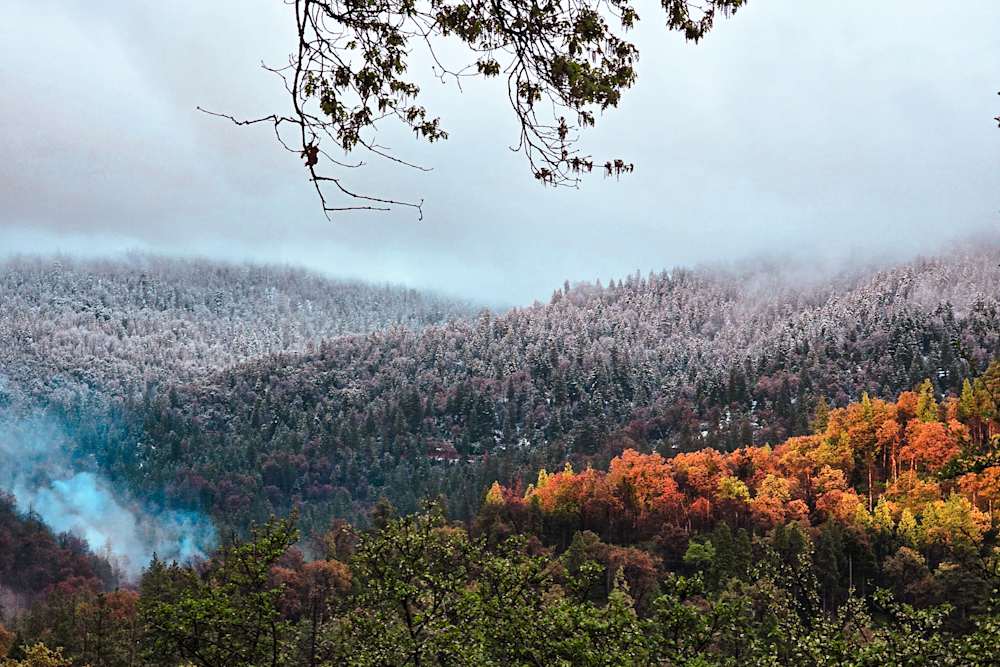
Thistledew Ranch is a genuinely private, one-site setup about 20 minutes from Sequoia's entrance — no neighbors, no noise, just crickets. The surprise bonuses of potable water and 20-amp electric hookup make it unusually practical for a remote feel, and host Michael is consistently praised for being helpful without hovering.
Book on Hipcamp
Kings Canyon Campground
Kings Canyon Campground sits right inside Kings Canyon next to a creek, with genuinely clean bathrooms and easy access to both Kings Canyon and Sequoia — a solid, unfussy base camp. The vintage gas pump and ice cream stand add some charm, but don't bank on the gas station being open when you need it.
Book on Hipcamp
O'Brien's Oasis
No reviews yet, so there's nothing firsthand to go on here — worth keeping an eye on as guests start reporting back.
Book on Hipcamp
Sequoia Mountain Farms
Sequoia Mountain Farms has genuinely good bones — clean showers, well-spaced sites, a killer sunset view of Fresno, and a convenient back-road approach to Sequoia that avoids the winding main entrance. Finding your specific spot on arrival can be confusing, and there's at least one serious account of a double-booking handled poorly, so it's worth confirming your reservation details before you show up.
Book on Hipcamp
Mike And Di's Retreat- 15 min to NP
These elevated tree tents near Sequoia and Kings Canyon punch well above their weight — reviewers consistently rave about the comfortable beds, hot showers after long hiking days, and surprising stormworthiness thanks to heaters and extra blankets provided by the host. The tiered hillside layout gives each site a genuine sense of privacy, though the steep access road and a bit of tent sway are worth knowing about before you arrive.
Book on Hipcamp
Camp Hye Sierra
A classic summer-camp property with a lake, paddle boats, canoes, flush toilets, and plenty of firewood — it's a legitimately fun setup for families who want amenities beyond a bare tent site near Kings Canyon. On-site contact Chris earns repeated praise for lending fishing gear and being genuinely helpful, though cell service is nearly nonexistent and navigation to the property can be tricky without calling ahead.
Book on Hipcamp
The Mountain Chapel Campground
Host Jack is the clear centerpiece here — multiple reviewers mention him showing up past midnight to check guests in, helping charge an electric car overnight, and freely offering firewood, all backed by sweeping valley views and deer that wander through regularly. Facilities quality has been inconsistent across visits, with at least one reviewer noting broken lights and maintenance issues, so it's worth messaging Jack directly to confirm current conditions before booking.
Book on Hipcamp
Delilah Ridge Winery
Delilah Ridge Winery is a genuinely charming overnight stop — reviewers single out the spotless vintage trailer, a friendly cat named Bobbi, quirky planters and fish, and a coffee shop just a five-minute walk away, making it feel more like a curated roadside discovery than a campground. It works especially well as a SoCal-to-Sacramento break that still puts you close to Sequoia and Kings Canyon.
Book on Hipcamp
Sentinel Campground
Sentinel sits right in the heart of Kings Canyon, close enough to hikes, a market, showers, and restrooms that you won't feel stranded — but wild enough that bear encounters are a real (and apparently fun) possibility. It's a solid base camp for hitting both Sequoia and Kings Canyon without a long drive.
Visit Official Site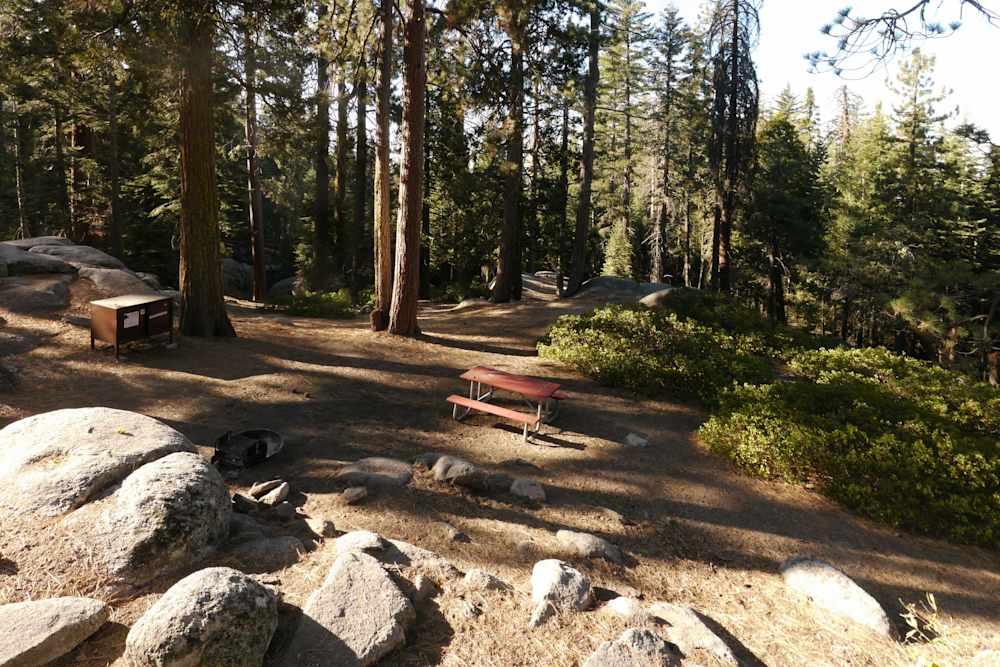
Azalea Campground
Azalea is a well-spaced, shady campground where rolling fog, giant Sequoias, and the occasional bear ripping out tree stumps keep things interesting — a knowledgeable ranger on hand is a bonus, especially if you're new to bear country. Firewood scavenging is legal and encouraged, but pack in dry wood if you want a reliable fire when the fog rolls in.
Visit Official Site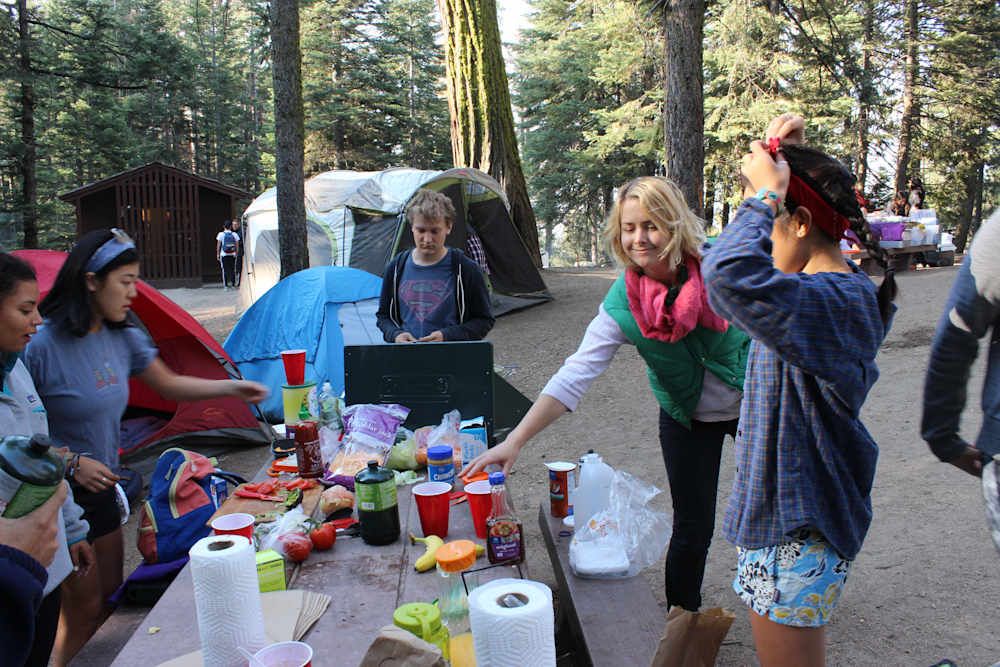
Sunset Campground
Sunset earns its name — the western-facing sites genuinely deliver on the promise, and the stargazing from your tent is exceptional — but snag your reservation exactly one month out at 7AM PST or you won't get in. Noise from inconsiderate neighbors and idling trucks can be a real issue, so bring earplugs if you're a light sleeper.
Visit Official Site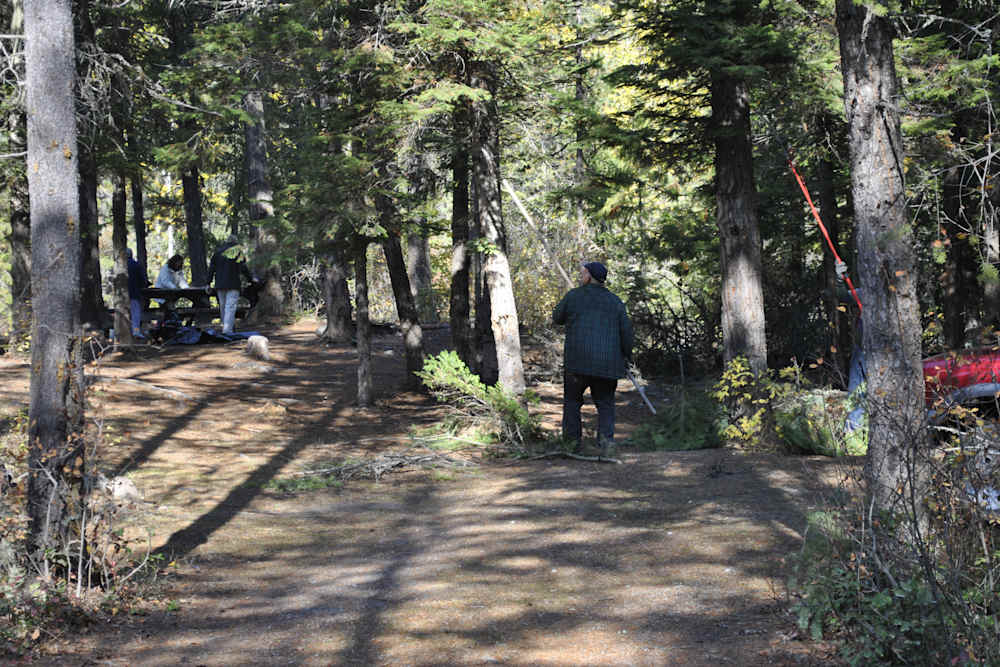
Sheep Creek Campground
Sheep Creek might be the best-kept secret in Kings Canyon — sites are genuinely large (some of the biggest you'll find anywhere), many sit right on the river, and the sound of rushing water carries across the whole campground. Note that summer fires are typically banned and the heat and bugs can be intense, so it shines brightest in shoulder season.
Visit Official Site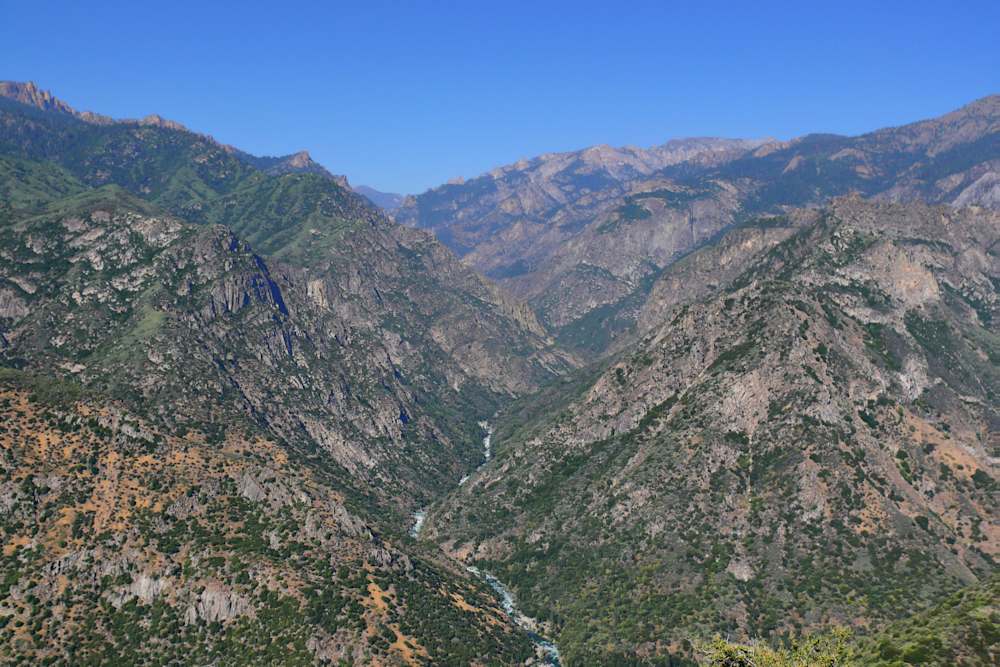
Canyon View Campground
Canyon View sits inside Kings Canyon National Park, which pretty much speaks for itself — expect stellar hiking and wildlife encounters ranging from marmots to tarantulas on the move in summer. It's a legit backcountry-feel experience without much need for a sales pitch.
Visit Official SitePlanning Your Kings Canyon Trip
Best Time to Visit
Mid-May through September is the window, with Cedar Grove not typically accessible until the snowmelt lowers the Kings River enough to make the canyon road passable—usually late May. Cedar Grove Village closes in mid-October, though camping can continue into fall.
June is spectacular: the Kings River is running full from snowmelt, Roaring River Falls is at peak volume, wildflowers are out in the meadows, and the canyon walls are streaked with snowmelt waterfalls that disappear by August. The tradeoff is that river crossings on some backcountry routes can be dangerous in high snow years—always check with the Cedar Grove ranger station before heading into the backcountry in June.
September is the other sweet spot—crowds drop sharply, the river calms down and warms up enough for swimming, temperatures in the canyon are ideal for hiking (low-80s during the day, low-50s at night), and the cottonwoods in Cedar Grove turn gold in a way that makes the canyon look like a painting. The Rae Lakes Loop in September may be the single best backpacking trip in California.
Avoid holiday weekends in July and August—the Canyon View campground fills completely, the Cedar Grove Village parking lot turns chaotic, and the Zumwalt Meadow trail gets crowded enough to lose its magic. On a peak summer weekend, aim to do all your hiking before 8am or after 5pm.
Kings Canyon receives measurably more snow than Sequoia, and Highway 180 into Cedar Grove typically closes in November and doesn't reopen until late May. Grant Grove is accessible year-round via Highway 180 from Fresno.
What to Know Before You Go
Cedar Grove campground reservations are required May through September and are managed through Recreation.gov. Canyon View Campground—the premium option—books out quickly. Sheep Creek and Moraine have more availability and are still excellent. First-come sites exist but don't count on them in summer. The reservation window opens six months ahead; set reminders.
Roads End wilderness permits are required for all overnight backpacking and are among the most competitive in the NPS system for the Rae Lakes Loop. Self-issue permits are available for less popular routes. Check the SEKI wilderness permit system at recreation.gov—the quota system for Roads End trailheads means planning months ahead is not optional if you want specific dates in summer.
Cedar Grove Village has a small market, snack bar, gift shop, and ranger station—but not much else. The nearest full grocery is in Fresno, nearly two hours away. Stock up completely before you drive into the canyon. The camp store can handle last-minute forgotten items but not a full resupply.
The Kings River is not a casual swim. In June and early July, the river runs high, cold, and fast from snowmelt—people drown in it every year. The NPS posts river hazard levels at Cedar Grove Village. In August and September, the river calms significantly and swimming holes near the campgrounds are excellent. Check conditions with rangers before letting anyone in the water.
Cell service is nonexistent from roughly the Big Stump entrance through all of Cedar Grove. Download your maps and permits offline before you lose signal. The Cedar Grove ranger station has current trail conditions and is staffed daily in summer.
Bear activity is consistent throughout Cedar Grove—hard-sided food storage is mandatory. The canyon's topography funnels wildlife through the campgrounds. Seeing a black bear at dusk in Cedar Grove is not unusual; treating it as a routine wildlife encounter (not a photo opportunity that involves approaching the bear) is the correct response.
Nearby Activities
Zumwalt Meadow Loop (1.5 miles, flat) is the first thing everyone should do in Kings Canyon—a river-level walk through one of the most photographically perfect landscapes in any national park. Early morning, with mist on the river and light hitting the canyon walls. Nothing else required.
Roaring River Falls is a 0.3-mile walk from a pullout on Highway 180 to a thundering 40-foot waterfall crashing into a granite bowl. It's loud, wet from spray, and absolutely worth the 10 minutes it takes. Peak flow is June; by August it's reduced but still impressive.
Mist Falls is the canyon's premier day hike—9.4 miles round-trip from Roads End to the largest waterfall in Sequoia-Kings Canyon, dropping 45 feet across a broad granite face. The first few miles are flat and shaded; the last mile gains elevation through open rocky terrain. Bring more water than you think you need. June for maximum waterfall drama, August for better trail conditions.
The Rae Lakes Loop is the benchmark Sierra backpacking trip—41 miles, typically done in 4–6 days, through some of the most dramatic high-country terrain in California. Granite peaks, alpine lakes at 11,000 feet, lush meadows, and passes with views that extend to the horizon in every direction. Competitive permit required. If you do one backpacking trip in your life, consider making this it.
General Grant Tree and Grant Grove are worth an hour even if you're continuing into Cedar Grove—the General Grant Tree loop trail takes 30 minutes and covers the second-largest tree on Earth plus several other named giants. The Fallen Monarch, a massive sequoia log that has been hollowing out since the 17th century, is particularly haunting.
River swimming in late summer at the sandy beaches near Sheep Creek and Sentinel campgrounds is a Cedar Grove ritual. The water is cold (snowmelt cold, not mountain stream cold) and completely clear. Bring a wetsuit if you're planning extended swims before August.
Frequently Asked Questions
Is Kings Canyon really deeper than the Grand Canyon?
Yes—at its deepest point, Kings Canyon reaches approximately 8,200 feet from canyon rim to river, making it one of the deepest canyons in North America and measurably deeper than the Grand Canyon's maximum depth of about 6,093 feet. The comparison is legitimate and not hyperbole. The crucial difference is that much of the canyon is V-shaped granite gorge rather than the Grand Canyon's layered, open amphitheater—so it doesn't read as visually "deep" in the same panoramic way, but the numbers don't lie.
How does Kings Canyon connect to Sequoia National Park?
The two parks share a boundary and are administered together as a single unit (SEKI). The Generals Highway connects them—you can drive from the Foothills Visitor Center in Sequoia through the Giant Forest, past Lodgepole, and into Grant Grove in Kings Canyon without ever leaving national park land. The drive is about 30 miles and takes roughly an hour due to the winding road and the fact that you'll stop constantly. Cedar Grove and the canyon floor are accessed via Highway 180, which branches off from the Grant Grove area and descends into the canyon.
What's the best campground in Cedar Grove?
Canyon View Campground, hands down—it's the smallest of the four campgrounds (37 sites) and the only one with riverside sites that face the canyon walls directly. Several sites have unobstructed views of the granite cliffs. Sheep Creek is the second-best option, larger and also well-positioned along the creek. Sentinel Campground is the most centrally located and the largest, which makes it convenient but less atmospheric. All four require reservations in summer. Book Canyon View the minute the six-month window opens.
Can I do the Rae Lakes Loop without a permit?
No—an overnight wilderness permit is required for all backcountry camping in Kings Canyon, and the Roads End trailheads (including the Rae Lakes Loop) operate on a quota system enforced through Recreation.gov. The quota fills for most summer dates within minutes of the booking window opening, which happens the day before or weeks ahead depending on the reservation type. About 25% of permits are held for walk-up distribution at the Cedar Grove ranger station the morning before your trip, but competition for those is fierce in July and August. If you're flexible on dates, late September has more availability.
When is Roaring River Falls at its best?
June is peak volume—the Kings River system is carrying maximum snowmelt and the falls are roaring, with spray that soaks you from 20 feet away. By late July, flow has reduced but the falls are still substantial and the surrounding granite makes for great photography in the lower-angle summer light. The 0.3-mile walk to the falls is one of the easiest payoffs in the park—there's no reason not to stop every time you drive past the pullout on Highway 180.
Is Kings Canyon worth visiting if I've already been to Yosemite?
This is the wrong framing—Kings Canyon is worth visiting instead of a second Yosemite trip. The landscape is different enough that comparison isn't really the point: Yosemite's valley is wider, more photographed, and shaped by glaciation in a way that creates dramatic vertical faces. Kings Canyon is a deeper, narrower, wetter, wilder place with a fraction of the visitors. Cedar Grove sees roughly 10–15% of Yosemite Valley's summer traffic. If you've done Yosemite and want the Sierra without the crowds, Kings Canyon is the answer.
Wildlife Sounds
Observations from iNaturalist