Lassen Volcanic
By Julian Bialowas & Daniel Tomko·Updated April 2026
Lassen Volcanic National Park is the national park that Californians consistently forget exists—which makes it exactly the kind of place you should go. Situated in the remote southern Cascades, about three hours north of Sacramento, Lassen protects a landscape of active volcanic features, alpine lakes, and wildflower meadows that has no real equivalent anywhere else in the lower 48. It's also, outside of July and August, almost entirely uncrowded.
The park's centerpiece is Lassen Peak, a plug dome volcano that erupted violently between 1914 and 1917 and remains geologically active today. At 10,457 feet, it's the southernmost major volcanic peak in the Cascade Range, and the Lassen Peak Trail—a 5-mile round trip gaining 1,957 feet—is the park's signature hike. The views from the summit stretch across the Sacramento Valley to the Coast Range on clear days. It's a serious climb, especially with lingering snow into July, but accessible to fit hikers without technical gear.
Below the peak, the park's hydrothermal features are the main draw for most visitors. Bumpass Hell is the largest hydrothermal area in the park and one of the most impressive in North America—a basin of boiling mud pools, fumaroles, and steaming ground that smells powerfully of sulfur and looks like something from another planet. The 3-mile round trip hike to Bumpass Hell is one of the most accessible ways to experience active volcanism in the United States. Sulphur Works, near the park's southwest entrance, offers a shorter look at fumaroles and bubbling mud pots, right from the roadside.
Manzanita Lake anchors the park's northwest corner and holds the most in-demand campground in the system. The lake itself is a near-perfect alpine mirror, reflecting Lassen Peak on still mornings, ringed by pines and frequented by osprey, bald eagles, and brown bears. Summit Lake, at 6,695 feet near the geographic center of the park, is the best base for exploring the backcountry and offers two separate campgrounds—north and south—with excellent trail access.
The park is one of the most scientifically interesting places in California. All four types of volcanoes found on Earth are represented within its boundaries. The combination of volcanic chaos and pristine alpine scenery is bizarre and compelling—mud pots steaming beside a lake you can swim in, sulfur vents a short walk from wildflower meadows. Lassen rewards curiosity.
Top Campgrounds Near Lassen Volcanic

Bigfoot Lodging Vacation Rentals
A creekside campground with a short walk to an on-property waterfall, solid full-hookup sites, and genuinely attentive hosts—it's a strong base camp for Lassen, about 20–30 minutes from the west gate. Accommodations range from tent sites to bell tents and cabins, though the two-shower situation can create lines on busy weekends.
Book on Hipcamp
Island Warriors Retreat
A tucked-away, densely forested spot with surprisingly good bathroom and shower facilities—rare for a Hipcamp—and a communicative host named Mel who keeps things clean and easy to navigate. It's a tight squeeze for anything much bigger than a small trailer, but the star-gazing and deer sightings make it worth the effort.
Book on Hipcamp
Mimi’s Hideaway
Mimi is the kind of host who greets you with freshly squeezed orange juice and actually knows the area's outdoor activities, while her well-behaved border collie Indy is a bonus amenity. The site backs up to a historic 1800s barn and open meadow with lake views, with full hookups and easy bike access to Lake Almanor.
Book on Hipcamp
Mill Creek Resort
Mill Creek Resort earns its reputation on atmosphere alone—the sound of the creek running through the campground is a genuine highlight—and its proximity to Lassen's entrance plus on-site firewood and ice sales make logistics easy. Just know the showers are quarter-operated (not clearly flagged in the listing), the bathrooms get dusty-muddy fast, and if you can snag Site 13 by the creek, do it.
Book on Hipcamp
Lassen Glampsite (No Electricity)
A surprisingly spacious glamping setup tucked among pine trees just 15 minutes from Lassen Volcanic, with a comfortable bed, well-equipped kitchen, and a solar shower that takes the edge off after a day on the trails. It's the kind of place where you get the forest-immersion feel—one wall of the garage is fully open to the outdoors—without sacrificing the basics.
Book on Hipcamp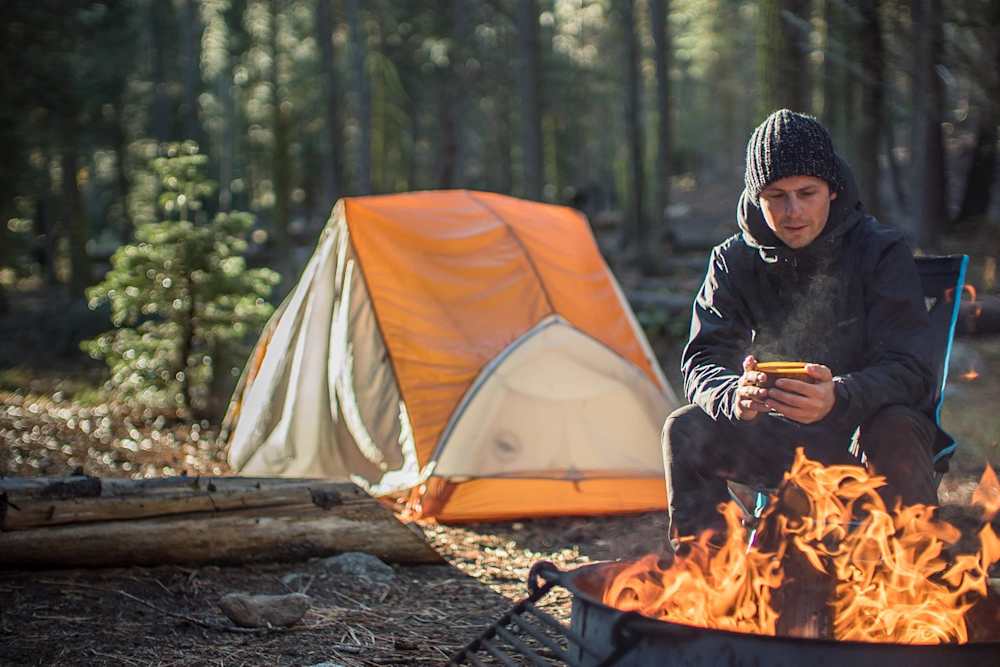
Manzanita Lake Campground
Manzanita Lake is a well-maintained, full-featured campground with genuinely stunning Lassen scenery and some of the best dark-sky stargazing in any national park—but go in knowing it gets busy and loud, and budget accordingly since camp store firewood runs $30 for two bundles. If you can snag a quieter spot and bring your own wood, the payoff is access to beautiful hiking and that iconic Lassen drive.
Visit Official Site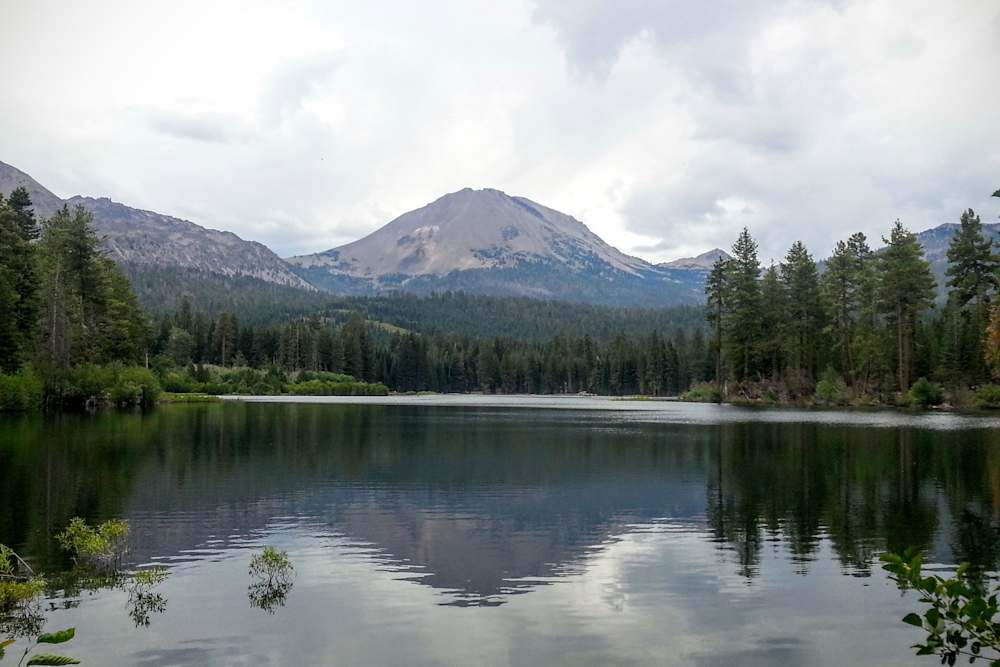
Manzanita Lake Group Campground
This is a more developed base camp than most—think store, showers, deli, laundry, kayak rentals, and soft serve—which divides campers looking for a wilderness feel, but Loop D's tents-only setup offers a noticeably more peaceful experience if you can plan ahead. The flat 3-mile lake loop and easy drive to Lassen Peak and Bumpass Hell make it a practical and rewarding home base.
Visit Official Site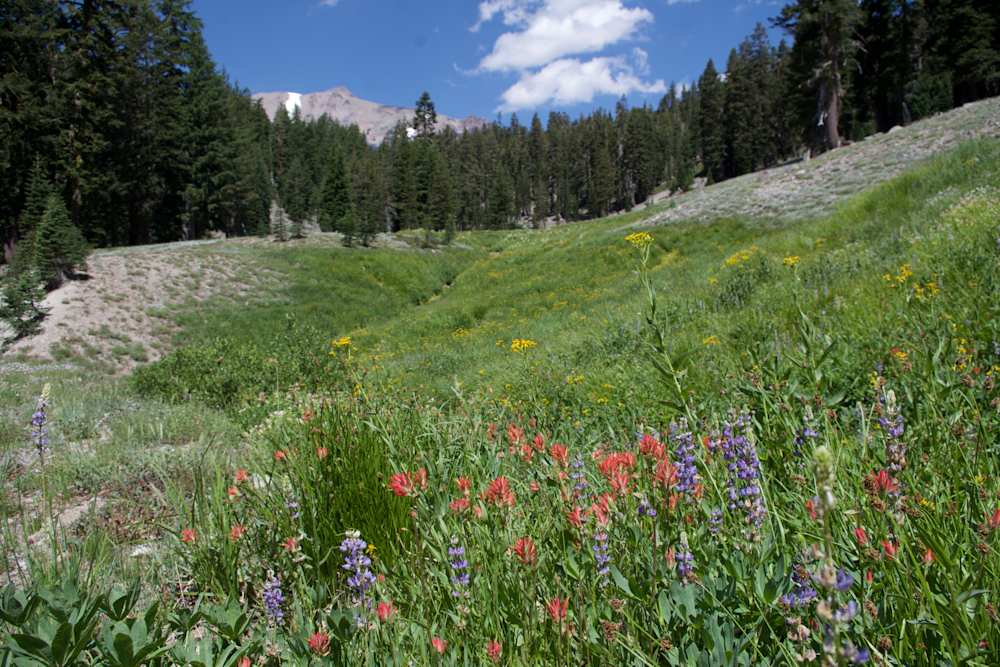
Summit Lake South Campground
Summit Lake South sits right on a beautiful alpine lake and delivers that "Yellowstone of California" feeling without the crowds, with trailhead access to over 10 alpine lakes via the Cluster Lake Loop. Sites are a little close together and amenities are minimal—pit toilets, seasonal potable water, and no firewood sold on-site—so come prepared with your own supplies.
Visit Official Site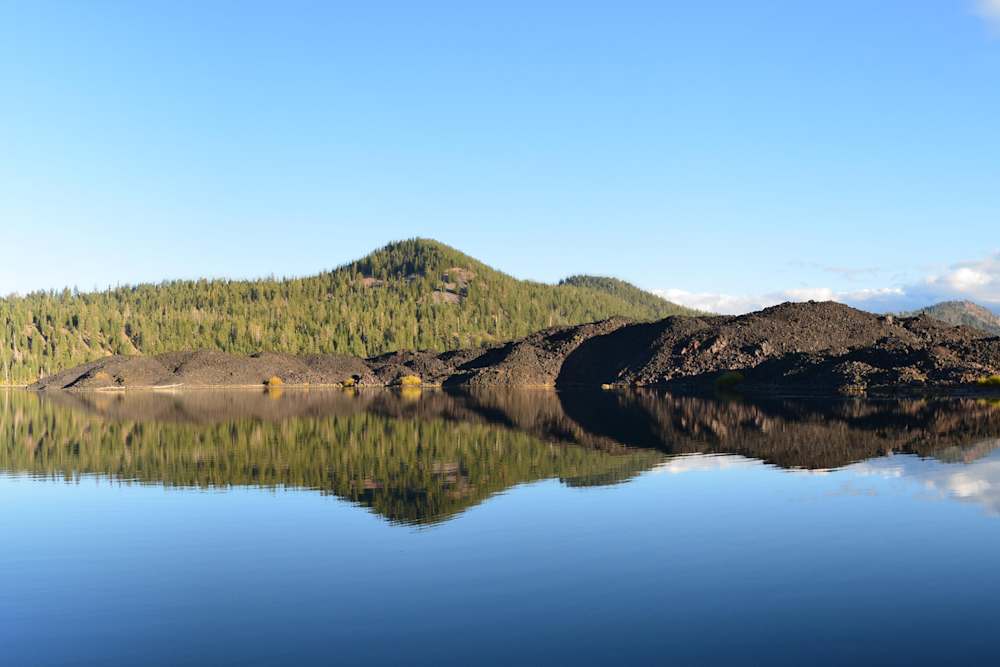
Butte Lake Campground
Butte Lake is a quieter, less-visited corner of Lassen Volcanic that rewards the effort of a bumpy 6-mile dirt road with spacious sites, a beautiful swimming lake, and the genuinely otherworldly Cinder Cone trail nearby. Fair warning: the local squirrels and rodents are aggressively curious about your vehicle, so take precautions before you park.
Visit Official Site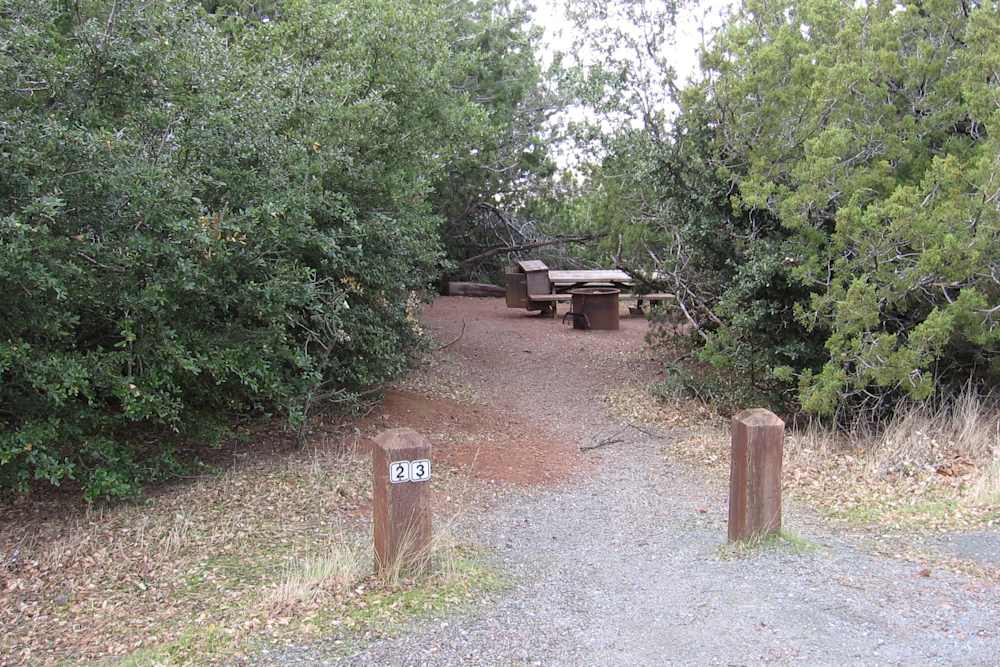
Juniper Lake Campground
Juniper Lake Campground sits right on a pretty lake inside Lassen, but expect tight sites, outdated porta-potties, and bold wildlife — deer swarm camp after dark and bears are regular visitors. Dog owners should also know that leash rules effectively mean you can't hike as a family if you bring a pet.
Visit Official SitePlanning Your Lassen Volcanic Trip
Best Time to Visit
July and August are the core summer months when the full park opens, including the Lassen Peak Trail and the high-elevation backcountry. Snow lingers into late June at elevation—some years the summit trail doesn't open until mid-July. This is the period of peak visitation, and Manzanita Lake campground will be fully reserved. The weather is warm and stable, afternoon thunderstorms are possible but usually brief, and the wildflowers are at their peak in the meadows around Summit Lake.
Late June is the sweet spot for confident hikers willing to navigate some snow: the crowds haven't fully arrived, the snowmelt feeds the creeks and waterfalls, and the park is explosively green. Bring microspikes if you plan to hike Lassen Peak—the upper trail can be icy even in late June.
September is excellent. Crowds thin after Labor Day, temperatures are still warm enough for swimming in the lakes, the nights get properly cold (great sleeping weather), and the first fall color touches the aspens along Hat Creek. The Lassen Peak Trail is usually snow-free and the hydrothermal features remain active year-round regardless of season.
October brings spectacular fall foliage and near-total solitude. The park road typically closes after the first significant snowfall, which can come as early as mid-October. Check conditions before making the drive. Winter access is limited to snowshoeing and cross-country skiing from the southwest entrance—the park maintains a small winter recreation area at Kohm Yah-mah-nee Visitor Center.
What to Know Before You Go
Manzanita Lake books up fast. It's consistently one of the most-reserved campgrounds in the NPS system—not because it's enormous (it has 179 sites), but because it's excellent and well-known among California campers. Reserve as early as Recreation.gov allows, six months out. The campground has full services including a camp store, showers, and canoe rentals. Walk-up sites are theoretically held daily but realistically gone by 7 a.m.
The Lassen Volcanic National Park Highway is the main road through the park—a 30-mile scenic drive connecting the northwest entrance (near Manzanita Lake) with the southwest entrance (near Sulphur Works). It climbs to over 8,500 feet and offers access to the Lassen Peak trailhead, Bumpass Hell trailhead, Summit Lake, and most of the park's hydrothermal features. Plan 2–3 hours minimum to drive it with stops. The road is snow-covered from November through late May or June most years.
Stay on boardwalks at hydrothermal areas. Bumpass Hell's boiling pools can reach 322°F. The ground around them can crust over thin voids. The boardwalks are not optional safety theater—they exist because people have broken through and suffered serious burns. The area is named after Kendall Vanhook Bumpass, who lost a leg to such an accident in 1865.
Bears are active at Manzanita Lake and throughout the park. Use bear boxes—they're provided at every campsite. Don't leave food in your vehicle; bears have learned to associate car doors with meals.
Altitude matters. Lassen Peak sits above 10,000 feet, and even Manzanita Lake campground is at 5,890 feet. If you're coming from sea level, give yourself a day to acclimatize before the summit hike. Headaches and fatigue are common for visitors who drive up and immediately hit the trail.
Nearby Activities
Lassen Peak Trail: The summit hike is the bucket-list item. It's 5 miles round trip with nearly 2,000 feet of gain—relentless switchbacks on loose volcanic scree above tree line. Start early to beat afternoon lightning. The views from the top are enormous: the Central Valley, Mount Shasta, Mount St. Helens on clear days. Bring layers; the summit sits in wind and cloud even in summer.
Bumpass Hell Trail: 3 miles round trip from the trailhead on the park highway, dropping into the largest hydrothermal basin in the park. The landscape looks alien—pools of boiling, acid-blue water, fumaroles hissing steam, ground colored ochre and rust by sulfur deposits. One of the more extraordinary short hikes in any national park. Do it in the morning before the afternoon crowds arrive.
Chaos Crags and Chaos Jumbles: A short hike past the remnants of a 350-year-old volcanic collapse near Manzanita Lake. The jumbled boulder field is massive and the geology is laid bare. Good for a morning walk from camp.
Swimming: Manzanita Lake and Summit Lake are both swimmable in summer, though cold. Juniper Lake in the park's remote southeast corner (accessible by unpaved road) offers the best swimming and the most solitude. Lake Almanor, just south of the park in Plumas County, is a larger warm-water lake popular with boaters and families.
Hat Creek: A renowned fly-fishing stream that flows north from the park through the Hat Creek Valley. The "wild trout" section below the PG&E powerhouse is a bucket-list destination for Northern California fly fishers—clear, spring-fed water with excellent visibility and large rainbow trout. Requires a California fishing license; catch-and-release only in the wild trout section.
Drakesbad Guest Ranch: A historic resort inside the park near Warner Valley, accessible only by unpaved road. The thermal-fed pool is geothermally heated and open to guests. If you want a non-camping base for exploring the park's remote south, this is a special option—book well in advance.
Frequently Asked Questions
Is the Lassen Peak hike hard?
It's strenuous—5 miles round trip with 1,957 feet of elevation gain, almost all of it above tree line on loose volcanic rock and scree. The trail gains altitude fast and the thin air at 10,000+ feet adds real difficulty for visitors coming from lower elevations. No technical skill is required though; it's a maintained trail. Allow 4–5 hours for the round trip at a comfortable pace. Bring at least 2 liters of water per person, sunscreen, and layers—the summit is frequently cold and windy even when the trailhead feels warm. Snow lingers on the upper trail into July most years; microspikes are recommended before mid-July.
What are the best hydrothermal features at Lassen?
Bumpass Hell is the most dramatic and the most visited—a 3-mile round trip hike to a steaming, bubbling basin of hydrothermal features that looks like another planet. Stay on the boardwalk. Sulphur Works, near the southwest park entrance, is the easiest access—you can see fumaroles and mud pots from the road with minimal walking. Devil's Kitchen in the Warner Valley area is a less-visited alternative with similar features and far fewer people. Boiling Springs Lake is a 3-mile round trip to an acidic, steaming lake near Warner Valley that's one of the park's best-kept secrets.
Can you swim in Manzanita Lake?
Yes. Manzanita Lake is open for swimming from the beach near the campground. The water is clear and cold—typically in the low-to-mid 60s Fahrenheit in summer, fed by snowmelt and springs. There are no lifeguards. Motorized boats are not permitted; canoe and kayak rentals are available at the camp store, making a morning paddle on the lake (with Lassen Peak reflected in the still water) one of the signature experiences at the park. Fishing for trout is also popular.
When does the park road open after winter?
The Lassen Volcanic National Park Highway typically opens in late May or June, depending on snowpack. In heavy snow years it can be late June before the full road opens. The southwest entrance (near Kohm Yah-mah-nee Visitor Center) and the northwest entrance (near Manzanita Lake) may open before the full road is clear. Check the park's official website or call the visitor center before making a trip before July—conditions change quickly. The park's winter recreation area near the southwest entrance is accessible year-round for snowshoeing and cross-country skiing.
Is Lassen Volcanic worth visiting if I've already been to Yellowstone?
Yes—and the comparison actually helps. Lassen is smaller and more intimate than Yellowstone; you can see the major features in a long weekend without the traffic jams and crowds that make Yellowstone frustrating in peak season. The volcanic geology is different—Lassen is a plug dome volcano in the Cascades, not a caldera system—which means the hydrothermal features feel rawer and more immediate. And the alpine lakes and backcountry here are excellent in ways that Yellowstone's high-elevation terrain isn't. If you appreciate volcanic landscapes, Lassen offers something different.
What wildlife can I see at Lassen Volcanic?
Black bears are common throughout the park—use bear boxes at all campgrounds and food storage precautions in the backcountry. Mule deer are seen daily in most meadows. Pronghorn antideer occasional the eastern sections of the park. Osprey and bald eagles fish Manzanita Lake regularly. Clark's nutcrackers, Steller's jays, and black-billed magpies are the noisy campground regulars. Yellow-bellied marmots are abundant on the rocky slopes around Lassen Peak. Mountain lions are present but rarely seen. The park is not a primary wildlife destination in the way that Yellowstone is, but a week here will yield solid sightings.
Wildlife Sounds
Observations from iNaturalist