Yosemite
By Julian Bialowas & Daniel Tomko·Updated April 2026
The Valley lives up to the hype, which is also the problem. On a summer Saturday, the floor of Yosemite Valley is so congested that the National Park Service has implemented a reservation system just to drive in—you cannot enter without one from late May through early September. The campgrounds in the Valley (Upper Pines, Lower Pines, North Pines, Camp 4) are among the hardest reservations to get in the entire national park system. Upper Pines has 238 sites; it typically books out within seconds of the reservation window opening five months in advance. If you haven't planned months ahead for a summer weekend trip, the Valley is probably not your trip this year.
Here's the thing nobody tells you in the Valley conversation: Yosemite is enormous. The park is over 1,100 square miles. The Valley floor is only 7 miles long and maybe a mile wide. Most visitors never leave it. Crane Flat Campground, Hodgdon Meadow, and Bridalveil Creek (accessed via Glacier Point Road, which is seasonal) are all inside the park, beautiful, and dramatically easier to book. The high country—Tuolumne Meadows, the Cathedral Lakes, the Lyell Canyon—is Yosemite at its finest for anyone willing to camp outside the Valley. Tuolumne Meadows Campground sits at 8,600 feet among granite domes and wildflower meadows. It's a completely different experience than the Valley, and it's still Yosemite.
For backcountry camping, the wilderness permit system is its own challenge. Permits are issued by quota—specific numbers per trailhead per day—and the reservation window opens four months in advance. The most popular trailheads (Happy Isles to Half Dome, Tuolumne Meadows, Yosemite Valley exits) book out immediately. A walk-up permit lottery happens the morning before your intended start date, but in peak season you're competing with a lot of people. The payoff is worth it: a night at the base of Half Dome, above tree line, with the Valley 4,000 feet below you, is one of the defining California experiences.
Top Campgrounds Near Yosemite

Hidden Falls Yosemite Camp
Upper Pines is the one campground in this entire list that only exists because Yosemite exists — it sits at Happy Isles, inside the Valley, surrounded by the granite walls and waterfalls that define the destination. No private listing outside the park can match that editorial specificity. Its 'crowded by design' tradeoff is itself a distinctly Yosemite story: you accept the masses because the payoff is waking up inside one of the most iconic landscapes on earth.
A secluded cabin and campsite on a private property about 90 minutes from Yosemite's center, with a genuine waterfall soundtrack, creek access, and dark-sky stargazing near the new moon. The tradeoffs are real — steep parking, a bathroom that's a bit of a walk — but reviewers consistently say it's worth it, and host Wendy gets called out by name more than once.
Book on Hipcamp
Camping At Yosemite's Doorstep
A well-kitted pair of campsites sitting about 6 miles from Yosemite's entrance, with hot showers, bear boxes, string lights, and firewood already laid out — it punches well above a bare-bones campsite. A few caveats: cars occasionally use the private road to turn around, hover flies can be aggressive around food in summer, and site 2 gets baked by sun after 11am.
Book on Hipcamp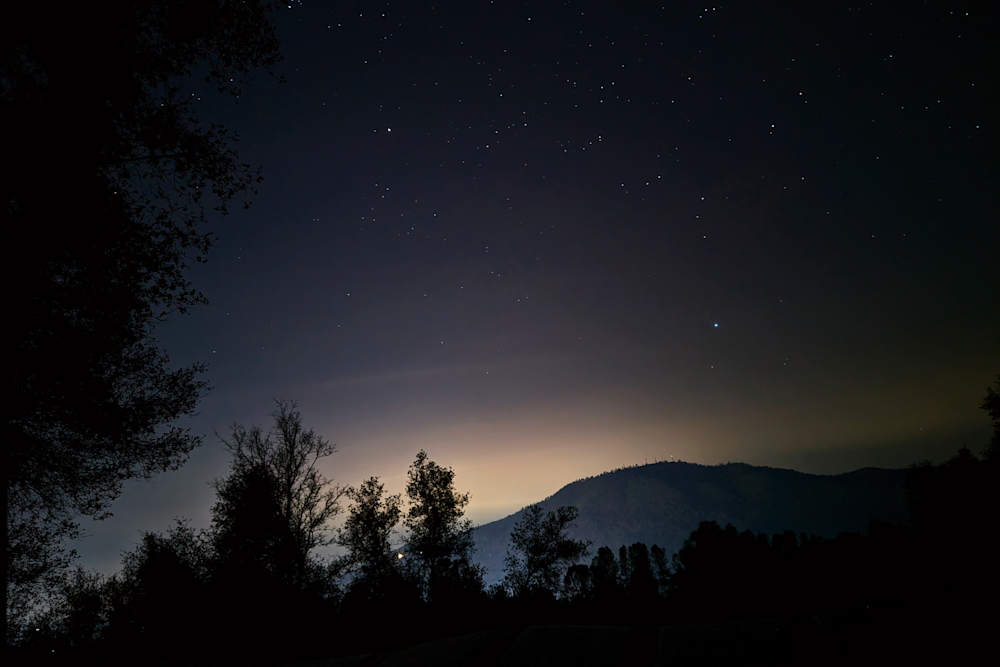
Camp SourBerry (near Yosemite)
A clean, quiet pull-through campsite on a working farm just outside Groveland, close enough to town for a supply run but private enough to feel rural — and if you're lucky, the hosts Chelsea and Wayne will let you feed newborn lambs. One reviewer had to leave at 4am due to a dog barking all night, so light sleepers should know that's a possibility on a farm property.
Book on Hipcamp
Yosemite Westlake Camp
A community-feel campground with hot showers, a potable water refill station, communal grill, and friendly hosts Mac and John who give solid Yosemite tips — a practical base for park visits about 90 minutes away. One reviewer found it less secluded than expected given the neighborhood access road, and flagged some worn equipment, so it's best suited for people who want amenities over isolation.
Book on Hipcamp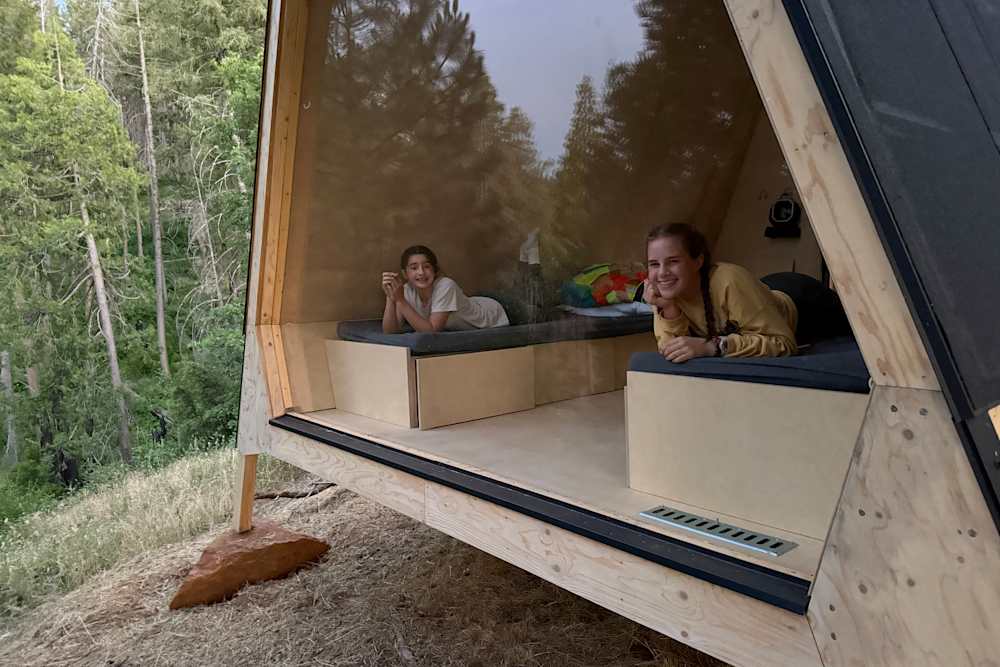
Nolla A-Frames Near Yosemite
These solar-powered A-frames sit on a quiet dirt road about an hour from Yosemite Valley, with east-facing glass walls that make sunrise and stargazing genuinely special. Just know that summer heat builds up inside (the solar inverter adds to it), AT&T service is essentially nonexistent, and the fan reviewers mention isn't optional — it's essential.
Book on Hipcamp
Red Tail Ranch at Yosemite
Rob's ranch earns consistent praise as a peaceful, uncrowded alternative to Yosemite's packed campgrounds, with flush toilets and a hot outdoor shower that feel genuinely luxurious after a long hiking day. He's an engaged host who'll steer you toward great hikes and help you pick the best spot on the property.
Book on Hipcamp
Yosemite Colfax Spring
The sweeping valley views and a nearby waterfall that doubles as a natural sound machine are the real draws here, and the hotel-quality bathrooms and hot showers are a legitimate bonus for a tent camping setup. Site 8 gets no shade, so bring a pop-up canopy if you're camping in summer.
Book on Hipcamp
BaseCampByBo!
Jarrett's hilltop property near Groveland gives you a genuinely isolated feel with 360-degree mountain views, a surprisingly clean porta-potty, and a hot outdoor shower — while keeping you 30 minutes from Yosemite trailheads and walkable to town coffee. One heads-up worth taking seriously: coyotes roam the property and have walked right up to guests, so plan accordingly if you're without dogs or a fire.
Book on Hipcamp
Upper Pines Campground
Upper Pines puts you right in the heart of Yosemite Valley — steps from Happy Isles, with bear boxes at every site and bathrooms on hand. It's crowded by design, but the payoff is unbeatable access and those valley views.
Visit Official Site
Wawona Campground
Wawona trades valley amenities (no showers, fewer restaurants) for genuine peace: river sounds at night, the Mariposa Grove nearby, and crowds that never reach valley levels. The Chilnualna Falls trail and Wawona Swinging Bridge are right there when you want them.
Visit Official Site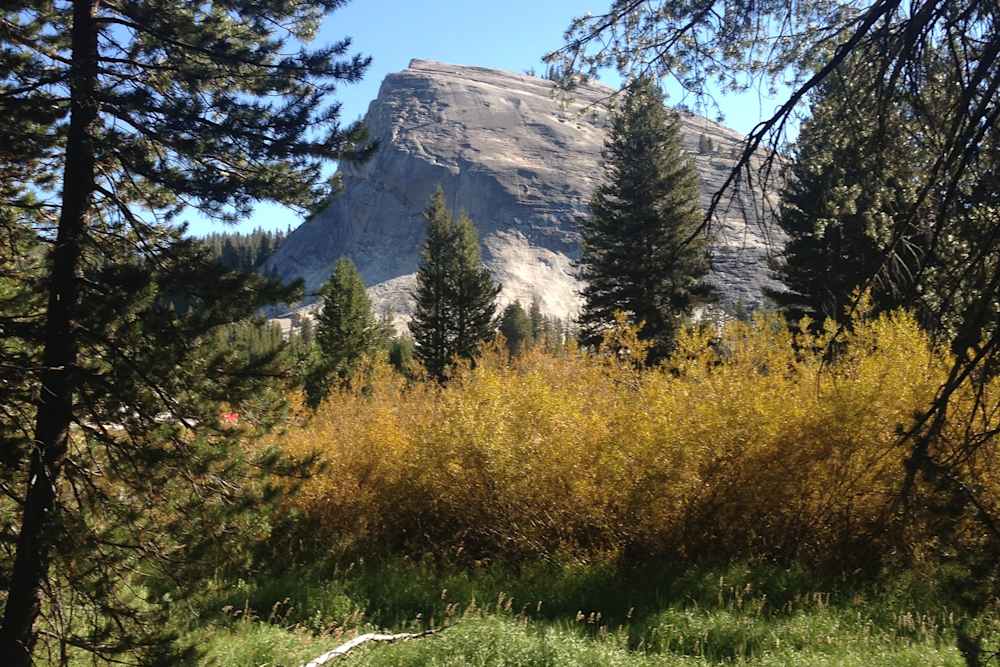
Tuolumne Meadows Walk-In Campground
Tuolumne Meadows Walk-In is a quieter, RV-free alternative to the valley, popular with backpackers and early risers heading out on big treks. First-come sites go fast in summer, but showing up at first light usually works — and the meadows and river make the effort worthwhile.
Visit Official Site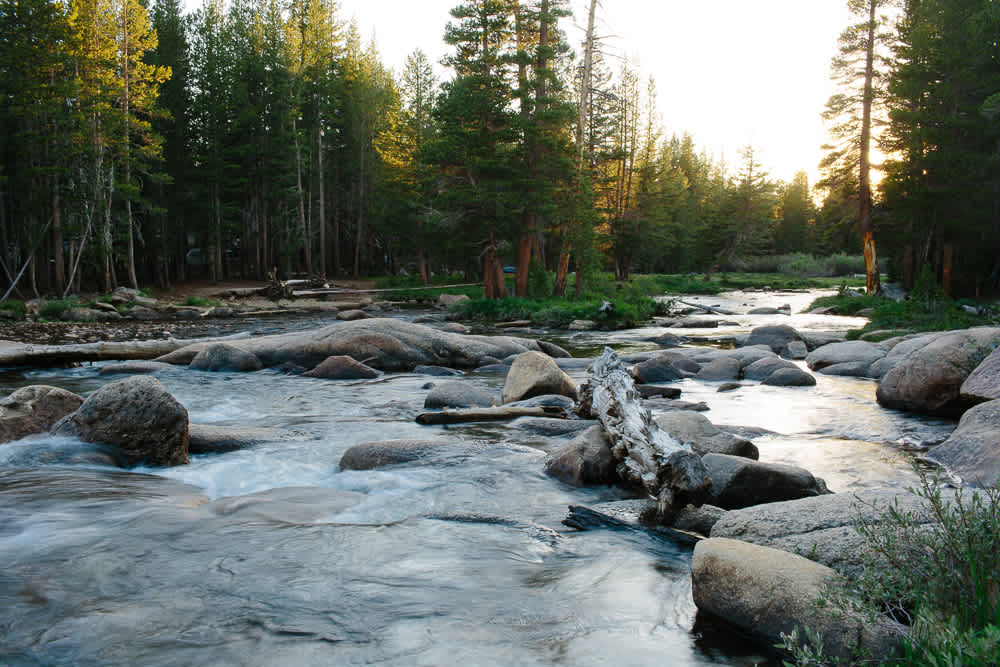
Tuolumne Meadows Campground
The recently renovated Tuolumne Meadows Campground has fresh tables, fire rings, and bear bins, but watch out — some sites are seriously sloped, and a few reviewers found them nearly impossible to tent on. Half the sites are first-come, first-served, and the location near Cathedral Lakes and Elizabeth Lake trailheads is hard to beat at high elevation.
Visit Official Site
Hodgdon Meadow Campground
Hodgdon Meadow is a solid base camp right at Yosemite's entrance — no valley reservation required if you're staying here, which is a real perk. Sites are close together and the terrain is hilly, so tent campers should pick carefully, but the rangers and hosts get consistent praise and it's about 45 minutes from the valley.
Visit Official SitePlanning Your Yosemite Trip
Best Time to Visit
May and early June are exceptional—waterfalls are at maximum volume fed by Sierra snowmelt, valley meadows are green, and visitor numbers haven't yet hit their July peak. Yosemite Falls, Bridalveil Fall, and Vernal and Nevada Falls are at their most spectacular. Snow may still close Tioga Road (the highway through the high country) into June depending on the winter. Check the NPS site for current road status.
July and August are the busiest months. The Valley is packed—shuttle buses are packed, popular trails like the Mist Trail have traffic jams on summer weekends, and temperatures in the Valley floor can reach the low 90s. The tradeoff is that Tioga Road is open, the high country is accessible, and the weather is reliably clear. If you're going in July or August, you need reservations (campsite, park entry, and Half Dome cables permit if applicable) locked in months prior.
September and October are the best months to visit. Crowds drop after Labor Day, the light turns amber and warm, and the high country is at its best before snow closes Tioga Road (typically mid-October). Nights in the Valley get cold—below freezing is possible in October—but days are clear and golden. This is when the Valley feels like it belongs to you rather than to everyone else.
November through April: Tioga Road closes for winter, cutting off the high country entirely. The Valley stays open but campgrounds are limited—Upper Pines stays open year-round but with reduced services. Winter and early spring bring dramatic snowfall on the granite walls and far fewer people. Tunnel View in fresh snow is one of the most beautiful scenes in California. Roads can close briefly after major storms, so flexibility is essential.
What to Know Before You Go
Park entry reservations: From late May through early September, you need a timed entry reservation just to drive into Yosemite Valley. These are separate from your campsite reservation and sold at recreation.gov. They go fast. Check the NPS site for the exact dates the system applies each year—it can vary. If you're staying at a campground inside the park, your reservation covers entry, but day trippers and those entering at off-peak hours still need to plan around this.
Water: Potable water is available at all developed campgrounds. The Valley campgrounds and Tuolumne Meadows have reliable water. Backcountry water should be filtered or treated—giardia is present in Sierra streams. Never drink untreated water directly from streams, however clear they look.
Cell service: Spotty at best. Verizon has partial coverage in the Valley. Tuolumne Meadows has almost none. Download the Yosemite NPS app and your maps offline before entering. The Valley Visitor Center has wifi. Do not rely on cellular navigation inside the park.
Gas: There is no gas in Yosemite Valley. The nearest stations are in El Portal (outside the west entrance, expensive) and Lee Vining on the east side via Tioga Road. Fill your tank before you enter—running low in the park means a long drive out and back. The Yosemite Valley Lodge and Curry Village sell groceries and limited supplies but not fuel.
Bears and food storage: Black bears are actively habituated to human food in Yosemite Valley. Bear boxes are mandatory at all campgrounds, and the park enforces this with real fines (up to $5,000 for repeat violations). Do not leave anything with a scent in your car—not your cooler, not your toothpaste, not your chapstick. Bear canisters are required for all overnight backcountry trips. The park loans canisters at the wilderness permit office if you don't own one.
Half Dome cables: The final 400 feet of Half Dome require ascending fixed cables on a near-vertical granite face. A separate permit—the Half Dome day hiking permit—is required in addition to your park entry. Lottery permits open in early April. Some daily lottery permits are also released two days before each date. The cables are typically up from late May through mid-October. Do not attempt the cables in wet weather—people have died here in slippery conditions.
Shut out of the reservation system? Hipcamp lists private campsites near Yosemite's western entrances along Highway 120 and Highway 140—properties on ranches and rural land that don't appear on Recreation.gov. These won't put you inside the park, but they'll put you within 30 minutes of the valley entrance with a guaranteed campsite. For a park where the public campgrounds book out in seconds, having a reliable alternative matters.
Nearby Activities
Mist Trail to Vernal and Nevada Falls: The best hike in the Valley and one of the best in California. The 5.4-mile round trip to the top of Nevada Fall (594 feet) climbs through mist from Vernal Fall, past an emerald pool, and up granite staircase to two of the most powerful waterfalls in the Sierra. The Mist Trail section from the footbridge to the top of Vernal Fall will soak you—a light rain jacket is appropriate even on a sunny day in spring. Start early; by 10am on summer weekends the trail is a traffic jam.
Valley View and Mirror Lake Loop: The 5-mile Mirror Lake Loop, starting from Curry Village, offers some of the best Half Dome reflections in the Valley and a flatter alternative for families. Valley View (near the western Valley entrance at the base of El Capitan) is an easy 0.8-mile walk with one of the definitive Valley perspectives.
Tuolumne Meadows and the Cathedral Lakes Trail: Drive Tioga Road (open June through October) 45 minutes from the Valley to the high country. The Cathedral Lakes trailhead starts just west of Tuolumne Meadows campground and climbs through lodgepole pine into subalpine terrain. Lower Cathedral Lake at 9,288 feet has a Cathedral Peak reflection that stops you cold. It's a 7.6-mile round trip and one of the premier day hikes in the Sierra Nevada.
El Capitan Meadow: Park and lie on your back in the meadow below El Capitan to watch climbers on the face. With binoculars you can follow parties on the Nose route—3,000 feet of granite, often taking multiple days. The speed record is under 2 hours, held by Tommy Caldwell and Alex Honnold. Either way, watching people move on that wall from below is a profound experience that costs nothing.
Mariposa Grove of Giant Sequoias: At the south entrance to the park, Mariposa Grove holds over 500 mature giant sequoias including the Grizzly Giant, estimated at 1,800 years old. The 2-mile loop is flat and accessible. Arrive by 8am or take the free shuttle from the parking area—the lot fills and closes regularly during peak season. This grove received a major restoration in 2018 and is in excellent condition.
Frequently Asked Questions
How do I get a Yosemite Valley campsite reservation?
Valley campgrounds (Upper Pines, Lower Pines, North Pines, Camp 4) release reservations five months in advance at recreation.gov, on a rolling daily basis. Availability opens at 7am Pacific on the day it drops. Set up a recreation.gov account in advance, have your payment ready, and be logged in before 7am. The best sites—anything in Lower or North Pines with river access—go in under a minute. If you miss the initial window, check back for cancellations; they happen regularly. For non-Valley options like Crane Flat or Hodgdon Meadow, competition is significantly lower.
Do I need a reservation to enter Yosemite?
From late May through early September, yes—a timed entry reservation is required to drive into most of Yosemite Valley and to access Hetch Hetchy. These are separate from campsite reservations and are sold at recreation.gov. If you have a campsite reservation, lodging booking, or Half Dome permit for that date, you don't need a separate entry reservation. Check the NPS Yosemite site for exact dates; the system applies to specific entry corridors and time windows.
When does Tioga Road open?
Tioga Road (Highway 120 through the park, connecting the Valley to the eastern Sierra) typically opens late May to mid-June depending on snowpack and is closed by mid-October to November. In heavy snow years it can stay closed into July. The NPS posts current road conditions at nps.gov/yose. If Tioga Road is closed, Tuolumne Meadows and all high-country trailheads are inaccessible from inside the park.
How hard is it to get a Half Dome permit?
Very hard. The primary lottery opens in early April for the full season. You're competing with thousands of applicants for roughly 300 daily permits. Apply for multiple dates to improve your odds, and apply as a full group (up to 6 people share one permit). There's also a daily lottery that releases 50 additional permits two days before each date—check the NPS site for how to enter. If you don't get a permit, the cables are still visible from the Valley and the Mist Trail to Nevada Fall is a worthy consolation.
Is Yosemite Valley worth it with the crowds?
Yes, but the Valley is not the whole story. If you visit in summer and stay only in the Valley, you'll have a crowded but spectacular experience. If you get into the high country via Tioga Road, or visit in September and October when crowds drop, or do any overnight backcountry, you'll understand why people dedicate their lives to this park. The Valley at sunrise before the day-use visitors arrive—around 6 to 7am—is almost uncrowded even in peak season.
Wildlife Sounds
Observations from iNaturalist