Central Valley
By Julian Bialowas & Daniel Tomko·Updated April 2026
Nobody puts the Central Valley on their camping bucket list, and that's the whole point. While everyone else is fighting for a spot at Yosemite Valley or paying $60 a night for a flat site at a crowded state park, the valley floor and its surrounding foothills sit largely ignored: open, available, and genuinely surprising once you give them a chance. The San Joaquin Valley stretches 250 miles from Stockton in the north to the Tehachapi Mountains in the south, flanked by the Sierra Nevada on the east and the Diablo Range to the west. Most people drive through it on I-5 watching the Harris Ranch sign go by. The ones who exit find something different: river sandbars on the Kings and Merced, reservoir camping with open water and bass fishing, and golden foothill terrain that explodes in wildflowers every March.
The valley's reputation as a camping destination has always been held back by two things: summer heat and flat scenery. Both are real. July and August temperatures in Fresno regularly hit 105 degrees Fahrenheit. The valley floor between Stockton and Bakersfield is agricultural land, not wilderness, and it looks it. But write off the Central Valley on those terms and you miss the edges: the foothills where the Sierra starts to rise, where oaks replace almonds and the terrain goes lumpy and interesting, where Millerton Lake and Pine Flat Lake and Lake Kaweah sit in the creases between valley and mountain. These reservoirs are warm, boat-friendly, and far easier to access than the reservation gauntlets at Tahoe or the Sierra high country. You can often get a lakeside site with two days' notice in September that would require six months of planning anywhere else in the state.
The angle that rarely gets discussed is the Central Valley as a Sierra basecamp. Yosemite's south entrance is 65 miles from Fresno. Sequoia's Ash Mountain entrance is 55 miles. Kings Canyon's Big Stump entrance is 53 miles. If you camp at Millerton Lake or along the Kings River outside the park, you can reach giant sequoias or Yosemite waterfalls in under 90 minutes and come back to a campsite that actually has availability and doesn't cost a fortune. For families who want Sierra access without Sierra competition, the Central Valley edge is an underused option that the camping community hasn't caught on to yet.
Top Campgrounds Near Central Valley

Walden Ranch
Walden Ranch is a working farm stay where host Alan's genuine hospitality and the parade of animals — horses, peacocks, a social potbelly pig named Adrian, and a pack of friendly dogs — are the real draw. Come ready for noise (roosters, geese, dogs at your campsite), cold open-air showers, and bring earplugs if you sleep light, but the pond activities like kayaking and canoeing plus unlimited firewood make it a genuinely fun value for families.
Book on Hipcamp
Fern Ridge Flats - Private Camping
Fern Ridge Flats is a thoughtfully curated redwood campsite just 15 minutes from town, making it an ideal low-effort nature reset — host Matt has added perks like a power outlet, potable water for dishes, and rentable extras like a canopy that proved its worth during a downpour. The propane fire pit gets mixed reactions for ambiance, and it's a composting toilet situation, but the privacy, redwood scenery, and responsive host keep people coming back for repeat stays.
Book on Hipcamp
Lobitos Creek
Lobitos Creek is an open, panoramic hilltop site with rolling-hills views, a well-maintained porta potty, and easy access to Poplar Beach about 10 minutes away — great for dogs, bocce ball, and catching shooting stars. Fair warning: the morning condensation is intense enough to soak everything left out overnight, and large trailers should approach the narrow entry road with serious caution.
Book on Hipcamp
Pharo Pharms Organic Farm-
Pharo Pharms is a no-frills working farm in Sonoma wine country — one group at a time, water and electric hookups, a rooster alarm clock, and vineyards within a short drive for tastings. It's a practical, quiet home base for exploring Napa and Sonoma rather than a destination campground in itself, and the price point has at least one camper feeling it doesn't quite match the bare-bones setup.
Book on Hipcamp
Audrey Edna Cabin at Alpine Ranch
A hike-in cabin perched on a ridge in the Santa Cruz Mountains that genuinely earns its views — expect stunning sunsets, abundant wildlife, and well-stocked kitchen and games once you've hauled your gear the few miles in. The two private bedrooms and covered deck make it a legit retreat, just remember you're packing out your own trash.
Book on Hipcamp
Mt Rancho (FKA La Montaña Ranch)
A hilltop farm camp outside SLO where the pigs, goats, and dogs will wander into your site and the sunset views stretch all the way to the ocean — hosts Karina and Chris are genuinely attentive and will even escort oversized rigs down the steep, narrow road out. Just be aware the drive up requires 4WD and the Hwy 101 access demands some planning.
Book on Hipcamp
SLO Country Camp
Ken and Judi's property near SLO punches above its weight with quirky BoHo touches — think a bar top made from wine barrels, an antique chandelier strung from tree branches, and a clean porta-potty with a night light — all with rolling vineyard views just 10 minutes from downtown. The hosts are attentive without being intrusive, which keeps people coming back.
Book on Hipcamp
Five Fours Camp in Three Rivers
Brewster's property in Three Rivers is essentially a turnkey basecamp for Sequoia — the deck view of Moro Rock is hard to beat, the outdoor shower is a genuine post-hike bonus, and the host is the kind of guy who stays up past 9pm to greet late arrivals and hands out local restaurant tips. Just know that wildlife is part of the deal, from quail and wild turkey to the occasional mouse in the bathroom.
Book on Hipcamp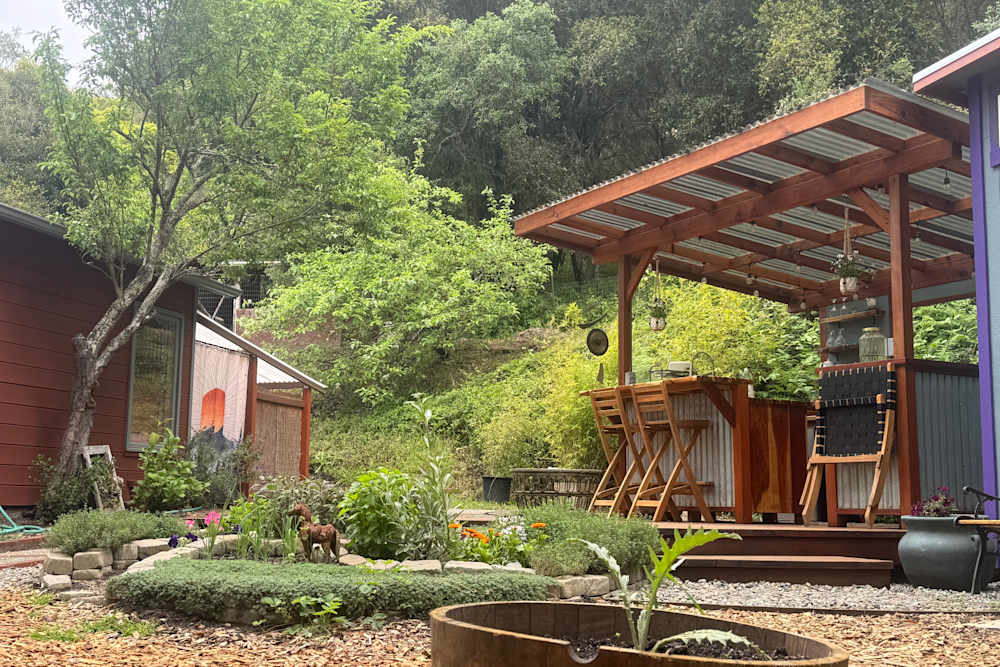
Happy Valley Haven
Happy Valley Haven is a well-appointed cabin retreat near Santa Cruz that punches above its weight with thoughtful extras — think fresh eggs, an outdoor kitchen, and a luminous vanity mirror. Host Naomi consistently earns praise for warmth and responsiveness, and the redwood setting gives guests genuine seclusion without sacrificing access to town.
Book on Hipcamp
Upper Pines Campground
Upper Pines is the quintessential Yosemite Valley base camp — bear boxes, bathroom access, and a location steps from Happy Isles that serious park-goers covet. It's crowded by design, so temper expectations for solitude and just embrace being at the center of it all.
Visit Official Site
Wawona Campground
Wawona is the quieter, southern alternative to the valley circus — reviewers single out the Merced River access, the Chilnualna Falls trail, and the Mariposa Grove as compelling reasons to make the trade-off on amenities. Facilities are clean and well-maintained, though river-adjacent sites require a bit of neighborly navigation to reach the water.
Visit Official Site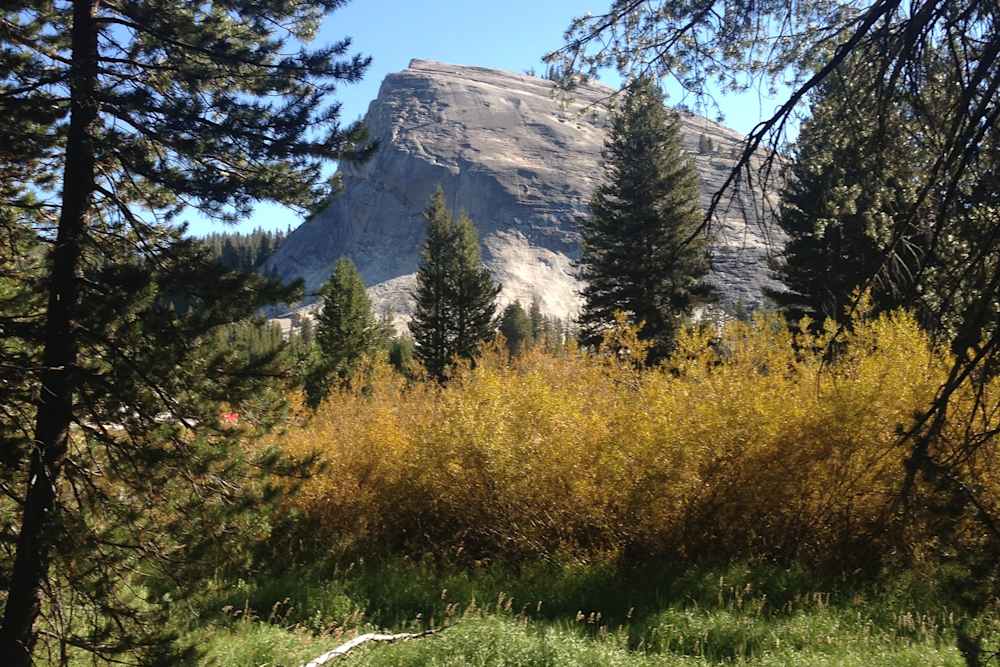
Tuolumne Meadows Walk-In Campground
Tuolumne Meadows Walk-In is a high-country escape that rewards early arrivals — first-come sites go fast, especially in September, but the meadows, river, and a nearby one-mile scramble to an unbeatable Half Dome viewpoint make the effort worthwhile. It skews toward backpackers and early-rising hikers, so leave the late-night energy at home.
Visit Official Site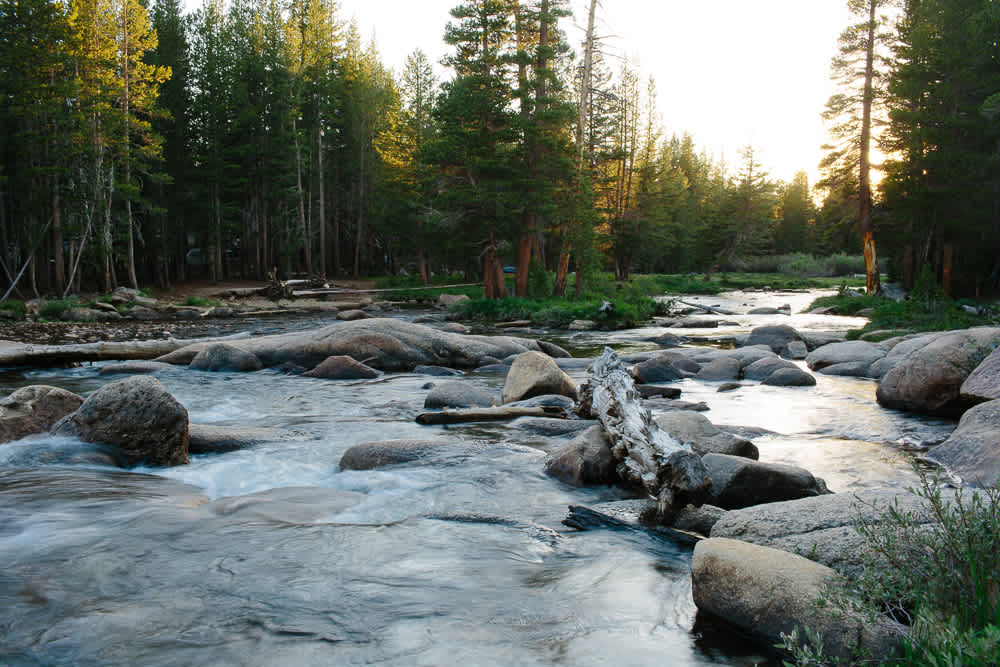
Tuolumne Meadows Campground
Tuolumne Meadows sits at high elevation with stunning access to trails like Cathedral Lakes and Elizabeth Lake, and a recent renovation brought new tables, fire rings, and bear boxes — though the bathrooms still lack basics like soap and lighting. Sites in Loop A put you close to the General Store and meadows, but be warned: rocky, sloped terrain can make tent-pitching a real problem depending on your assigned spot.
Visit Official Site
Lodgepole Campground
Lodgepole is a well-maintained base camp in Sequoia with a killer perk: the Tokopah Falls trailhead starts right inside the campground, and the Roaring River runs nearby with showers close at the welcome center. It gets crowded in summer and ground wasps can be a legit nuisance in August, so plan accordingly.
Visit Official SitePlanning Your Central Valley Trip
Best Time to Visit
March through May is when the Central Valley surprises people. The foothill grasslands turn green, then gold, and the wildflower bloom along the foothills above Fresno and in the Yokuts Valley can be spectacular in good rain years. Temperatures are in the 60s and low 70s during the day, 40s at night. The rivers run clear and cold from Sierra snowmelt. Pine Flat Lake fills up. The almond orchards are in bloom. This is the best camping window, the one locals know and visitors miss entirely.
June through August: Don't. If you're camping on the valley floor in July, you are either very experienced with desert heat management or you're having a bad time. Fresno averages 20 days above 100 degrees in July and August. The reservoir camping at Millerton and Pine Flat is survivable if you're on the water and arriving after 5pm, but even that pushes it. The exception is the foothills above 2,500 feet where temperatures run 10 to 15 degrees cooler. Camping near Shaver Lake or Huntington Lake (both above 5,000 feet) is a different situation entirely and genuinely worth doing in summer.
September and October are the second good window. The brutal heat breaks in mid-September, the reservoirs still hold warm water for swimming, and the foothills start picking up fall color. Crowds at the lakes drop sharply after Labor Day. The river camps along the Kings and Merced are at their best: lower water levels mean better sandbar camping, and the cottonwoods turn gold in October. These are quiet, affordable nights with good weather. Book a week out instead of six months out.
November through February: Tule fog is the Central Valley's winter signature. Dense ground fog that can drop visibility to near zero and persist for days. Driving in it is dangerous. Camping in it is cold and gray. There are better times to visit, though the fog does lift some afternoons to reveal clear winter days with the Sierra snowpack visible above the valley floor, which is one of the genuinely beautiful things you can see in California.
What to Know Before You Go
Heat management is non-negotiable in summer. If you're visiting between June and August, treat it like desert camping. Carry significantly more water than you think you need: a gallon per person per day is the floor, not the target. Set up camp before noon. Do your hiking before 9am. Afternoon shade at the reservoir campgrounds is sparse. Shade canopies and battery fans are not luxuries in a Central Valley summer. Know the symptoms of heat stroke and have a plan to reach air conditioning if someone starts showing them.
Millerton Lake State Recreation Area is the main reservoir camping hub near Fresno, with over 100 developed sites on the San Joaquin River arm of the lake. Reservations go through ReserveCalifornia. The boat ramps are well-maintained and the bass fishing draws a dedicated crowd. Water temperatures reach the low 80s in late summer, making it one of the few warm-water swimming options in the Sierra foothills. Sites book out for summer weekends but mid-week and shoulder season have solid availability.
Pine Flat Lake sits 35 miles east of Fresno on the Kings River and holds about ten times the water capacity of Millerton. The Army Corps of Engineers manages the campgrounds here: Upper and Lower King's River campgrounds plus Trimmer and Island Park. It's a boat-camping culture: houseboats, ski boats, and bass fishermen who come back every year. Less polished than Millerton but also less crowded. Reservations through Recreation.gov.
Lake Kaweah is the southernmost of the three main Central Valley reservoirs, near Lemon Cove in Tulare County. Horse Creek and Kaweah campgrounds sit on the water. The proximity to Sequoia National Park (about 25 miles to the Ash Mountain entrance) makes this the best basecamp option for giant sequoia day trips. Hipcamp also lists private farm-stay and ranch properties throughout the Kaweah River corridor where the valley transitions into the Sierra foothills: the kind of spots that put you on working agricultural land with a fire ring and a view of the mountains, available when the reservoir campgrounds fill.
Farm stays and private land camping. The Central Valley is one of Hipcamp's strongest regions in California. The agricultural land ownership patterns: large ranches, orchards, and working farms, translate well to private campsite listings. You can camp on citrus ranches near Visalia, walnut orchards near Modesto, and cattle operations in the Diablo foothills west of the valley. These aren't polished glamping operations; they're real working properties where the hosts are farmers who happen to have land they're willing to share. Check Hipcamp's Central Valley listings when the reservoir campgrounds are full or when you want something with more character than a numbered site in a parking lot.
Air quality. The Central Valley has some of the worst air quality in the United States due to the bowl topography that traps pollutants and smoke. Summer is the worst season for ground-level ozone. Fall wildfire smoke from the Sierra and surrounding ranges can make the valley floor unbreathable for days at a time. Check AirNow.gov before you go, and have a contingency plan if the AQI is in the red. People with respiratory issues should treat the valley the same way they'd treat any air-quality-compromised environment: check before you commit.
Nearby Activities
Kings River below Pine Flat Dam: The stretch of the Kings River between Pine Flat Dam and Kirch Flat Campground (about 7 miles) is one of the best whitewater runs in the foothills: Class III to IV in spring when the dam is releasing, dropping to Class II by late summer. Kayakers and rafters from Fresno treat this as their home water. Even if you're not paddling, the canyon here is beautiful: granite walls, cottonwood corridors, and cold clear water that feels completely disconnected from the agricultural valley a few miles downstream. Kirch Flat Campground at the upper end of this stretch is free and first-come-first-served.
Merced River Recreation Area: Below Lake McClure in Merced County, the Merced River runs through a series of pools and riffles that are good for a lazy inner-tube float in summer. McConnell State Recreation Area has riverfront campsites on the lower Merced. This is also the river that flows through Yosemite Valley, so there's something satisfying about camping on it in the foothills before or after a Sierra trip.
Carrizo Plain National Monument: Technically in the southern Coast Ranges rather than the valley floor, but accessed from the valley and often missed on the camping circuit. The plain holds one of the last intact grassland ecosystems in California, the Painted Rock petroglyph site, and superbloom potential in wet years that rivals anything in the Antelope Valley. Soda Lake is a seasonal alkali lake that draws thousands of migrating birds. Camping is dispersed and free on BLM land: pull off anywhere that's flat enough, no permit required.
Spring wildflower drives in the Yokuts Valley and Table Mountain: Between Fresno and Oakhurst, the rolling foothill terrain around North Fork and the Yokuts Valley puts on a wildflower show every March that most Californians have never seen. Table Mountain near Oroville (north of Sacramento) does the same thing on a larger scale: a basalt plateau that turns completely purple and orange with clover, goldfields, and owl's clover in a good rain year. Neither requires a permit or a reservation.
Fresno Flats and the Highway 168 corridor: The drive from Fresno east on Highway 168 toward Shaver Lake and Huntington Lake passes through the foothill zone that connects valley and mountain. The towns of Auberry, Prather, and Shaver Lake sit at elevations where the heat breaks and the pines start. This corridor has a long history of weekend camping culture among San Joaquin Valley residents who know it well and rarely advertise it. It's a 45-minute drive from downtown Fresno to legitimate mountain camping, and the Sierra National Forest campgrounds along this route are among the least-competed-for forest sites in California.
Frequently Asked Questions
Is the Central Valley actually worth camping in, or is it just a drive-through?
It depends on what you want. If you're looking for dramatic scenery and wilderness solitude, the valley floor is not your destination: drive east into Yosemite, Sequoia, or Kings Canyon. But if you want warm reservoir camping in September when the Sierra lakes are freezing, or a spring wildflower trip without the Antelope Valley crowds, or a private farm-stay experience that doesn't exist elsewhere in California at this scale, the Central Valley delivers. It's also useful as a Sierra basecamp: the drive times to the national parks from Fresno-area reservoirs are short enough that you can stage the whole trip from the valley side.
When is it too hot to camp in the Central Valley?
June through August is brutal on the valley floor. Fresno, Visalia, and Bakersfield regularly hit 100 to 110 degrees Fahrenheit in July. The foothills above 2,500 feet are tolerable: Shaver Lake and Huntington Lake run 15 degrees cooler and have real summer camping culture. But the valley floor and the reservoir campgrounds below 1,000 feet are best avoided in midsummer unless you're experienced with extreme heat. Heat illness develops fast when ambient temperatures stay above 100 degrees and nights barely cool to 80. March through May and mid-September through October are the windows.
What's the best reservoir for first-time Central Valley camping?
Millerton Lake near Fresno is the most accessible and well-maintained option. Reservations through ReserveCalifornia, developed sites with water and some shade, a good boat ramp, and warm water in late summer. Pine Flat Lake is rawer but significantly larger and less crowded mid-week. Lake Kaweah wins on proximity if you're planning day trips to Sequoia National Park. All three are significantly easier to book than any Sierra campground, especially in the shoulder seasons.
Can I use the Central Valley as a basecamp for Yosemite or Sequoia trips?
Yes, and it's an underrated approach. Millerton Lake to Yosemite's south entrance at Wawona is about 65 miles and roughly 90 minutes. Lake Kaweah to Sequoia's Ash Mountain entrance is about 25 miles. If the parks are fully booked, camping at a Central Valley reservoir and day-tripping sidesteps the reservation problem entirely. You'll spend time driving, but you'll have a guaranteed campsite at a fraction of the competition. It works especially well for Sequoia and Kings Canyon, where the valley side is genuinely close.
Are there farm stay camping options in the Central Valley?
Yes, and it's one of the best uses of Hipcamp in California. The valley's agricultural land ownership: large private ranches, orchards, and family farms, translates well to private camping. You'll find citrus ranch stays near Visalia, walnut and almond orchard camping in the northern valley, and cattle ranch sites in the Coast Range foothills west of the valley floor. Most are not polished or glamping-oriented; they're working properties with a designated spot, a fire ring, and a host who farms for a living. Check Hipcamp's Central Valley and San Joaquin Valley listings when the public reservoir campgrounds are booked or when you want something more interesting than a numbered RV slot.
Wildlife Sounds
Observations from iNaturalist