San Diego
By Julian Bialowas & Daniel Tomko·Updated April 2026
San Diego's camping reputation begins and ends with the beach for most people—and that's a missed opportunity of the first order. An hour east of downtown, the landscape does something most visitors never see: it rises. The coastal plain gives way to chaparral-covered foothills, and those foothills climb into the Peninsular Ranges, a chain of peaks that top out at nearly 6,500 feet and are covered, legitimately and somewhat improbably, in pine forests. Cool summer nights. Actual seasons. Mountain meadows. An observatory built on the highest point because the skies are that dark.
Cuyamaca Rancho State Park is the closest thing San Diego County has to a mountain wilderness destination, and it punches well above its size. At 4,000 to 6,500 feet elevation, the park is forested with coast live oak, black oak, canyon oak, Jeffrey pine, and in the highest zones, white fir and incense cedar. The 2003 Cedar Fire burned most of the park catastrophically, but the recovery—now more than two decades in—has produced a striking mosaic of regenerating forest, meadow, and chaparral that in some ways is more ecologically interesting than the pre-fire forest was. Los Caballos and Paso Picacho campgrounds are the main bases; Paso Picacho in particular offers sites in the pines at about 5,000 feet where summer nights drop into the 50s when the San Diego coast is sitting at 75°F.
The Cleveland National Forest wraps around Cuyamaca and extends through three ranger districts—the Descanso, Palomar, and Trabuco districts—covering roughly 460,000 acres of Southern California mountain terrain. Most San Diego-area mountain camping outside of Cuyamaca Rancho happens within Cleveland's Descanso and Palomar districts. Dispersed camping is permitted in many areas with a free permit from the ranger station; developed campgrounds include Laguna, El Prado, and Observatory (near Palomar Mountain) among others. The forest has a dispersed camping feel that resembles—in a modest way—the more expansive freedom of the Sierras, without the six-month reservation gauntlet.
Laguna Mountain Recreation Area, within Cleveland's Descanso District, sits on a broad 6,000-foot plateau east of Alpine and offers a distinctive camping experience: open meadows, Jeffrey pine forest, rocky outcroppings with views into the Anza-Borrego Desert 4,000 feet below. The drop from Laguna's Sunrise Highway down into the desert on Montezuma Valley Road is one of the more dramatic elevation changes accessible by car in Southern California. Camping at Laguna—with the desert shimmering below and pines shading the sites above—makes the geography click in a way that maps don't convey.
Palomar Mountain is the star of the San Diego backcountry in more than the metaphorical sense. The Hale Telescope at Palomar Observatory—with its 200-inch mirror—was the largest optical telescope in the world for nearly 45 years and remains an active research instrument. The observatory is open for tours on weekends and select days, which is worth organizing a camping trip around: watching a sunset over the Palomar ridgeline from Observatory Campground, then walking to the dome the next morning, puts you in direct contact with the kind of institutional ambition that built mid-century American science. The skies that made the site worth building on are still there; Palomar Mountain State Park has a campground at 4,600 feet, and moonless nights here produce views of the Milky Way that most San Diegans don't know exist an hour from their houses.
Top Campgrounds Near San Diego

Whiteside Mountain
Whiteside Mountain earns its top-rated status — Steve has built something genuinely special on this 160-acre private summit, complete with a covered platform, outdoor kitchen, running water, a cave to explore, and what reviewers unanimously agree is the best-situated toilet in camping. Just know that the road up is legitimately rough: multiple reviewers who attempted it in AWD say they'd bring a true 4WD next time, and for good reason — a failed drive becomes a steep hour-plus hike with all your gear.
Book on Hipcamp
King Creek Campground
King Creek is a quietly impressive find — a former Boy Scout camp about an hour from San Diego with multiple distinct campsites (including one right on the creek and one at a genuinely cool old dam), attentive hosts Carlotta and Richard, and enough shade to stay comfortable on hot days. The access road is no joke and reviewers are consistent: don't attempt it in a sedan or low clearance vehicle, but if you're properly equipped it's a worthy payoff.
Book on Hipcamp
Lakeshore Retreat
Ed's lakefront spot punches above its weight for accessible car camping — a private dock, fire pit, picnic tables, solar lights, and genuine lake views with regular bird and wildlife activity make it feel like more than just a roadside patch. The one honest caveat that comes up consistently: the site is close to the street, and road noise is real, though most reviewers say it fades to background pretty quickly.
Book on Hipcamp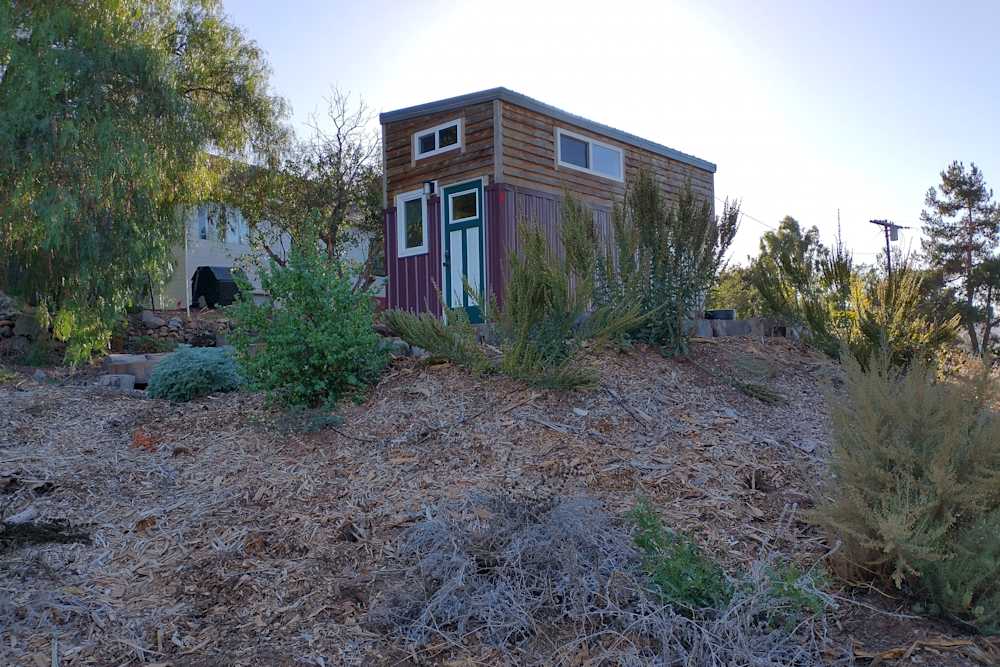
Ranch Blooms
Ranch Blooms is a low-key, well-located base camp — boulders, trees, and genuine quiet within easy reach of San Diego, suited best for a tent, van, or small trailer (reviewers note a steep incline and tight turn in the dark). Hosts are generally described as chill and hands-off, which is either a feature or a bug depending on the reviewer, but the spot itself consistently delivers on privacy and that country-ranch-close-to-the-city vibe.
Book on Hipcamp
Easy RV Vista
A genuine north San Diego neighborhood spot where the vibe is as much about friendly locals and outdoor hangouts as it is about hookups — reviewers consistently rave about the community feel and easy access to dump stations. The driveway looks tighter than it is, 30A electrical works fine once you sort the breaker, and the hosts are notably flexible, even accepting deliveries and lending scrap wood to a guest who resealead a roof and installed a full solar setup on-site.
Book on Hipcamp
Granite Mountain
Ken's Eagles Nest cabin on Granite Mountain is a legitimately well-thought-out glamping setup — private deck for sunsets, an outdoor kitchen with propane stove and cookware, warm showers with real towels, and stargazing that multiple reviewers called stunning. Three cabins share the property but the natural landscaping keeps them feeling separate, and the steep hike up from the parking area is a feature, not a bug.
Book on Hipcamp
Campo Nopalito
Campo Nopalito is a working farm with a wood-fired pizza oven, cold outdoor showers, fresh fruit for sale, and a camp dog named Gertie — it's the kind of place guests return to four or more times and still find new touches added. Host Jacob keeps things relaxed and welcoming, and it hits a sweet spot for people who want genuine nature immersion without having to plan everything themselves.
Book on Hipcamp
Zephyr Mountain Avocado Grove
Shane's avocado grove and farm sits on a hilltop with sweeping valley views that one reviewer compared to watching a campfire — city lights at night are a genuine draw, not a dealbreaker. The road up gets described as bumpy with some ruts but totally manageable without 4WD if you go slow, and on-site you'll find farm animals, fruit trees, a covered cabana patio, and reliable cell service.
Book on Hipcamp
Private Hot Springs & Organic Farm
Gordon runs a remarkably hands-on operation — he'll dial in the pool temperature to your schedule, whether that's a midnight meteor-shower soak or an early-morning dip before you hit the road. Guests consistently remark on how clean and peaceful the desert setting is, and the mineral water apparently leaves skin noticeably smooth.
Book on Hipcamp
Mineral Spring Date Farm
Ron and his team put real thought into privacy — campers note they were nestled among palm fronds with their own hot spring tub, and the placement of sites keeps things from feeling crowded. It's a genuinely special detour near Joshua Tree, though light sleepers should know other campers' noise can carry at night.
Book on Hipcamp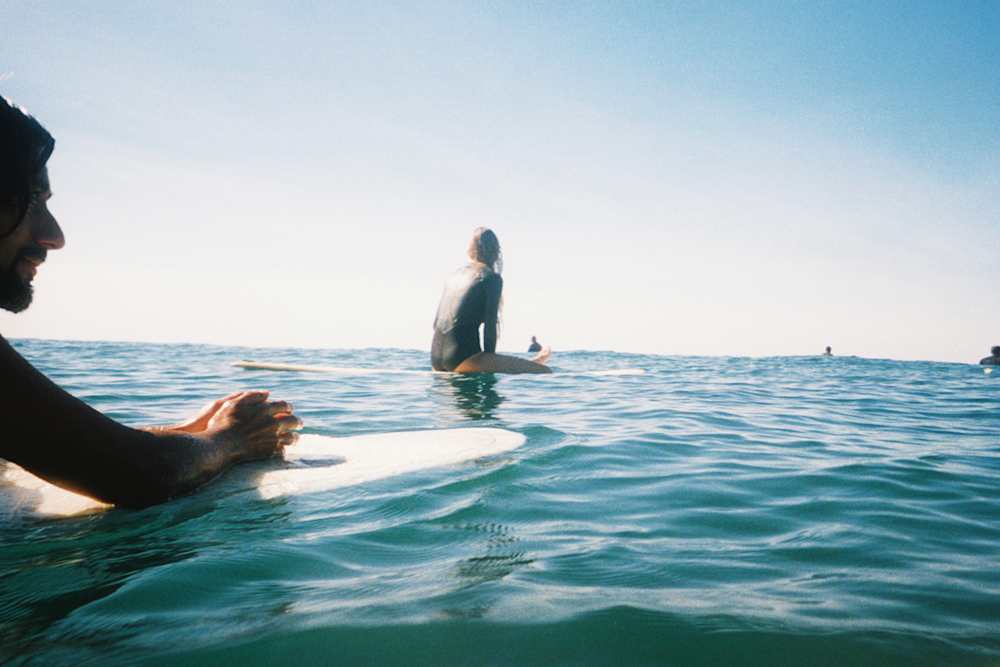
San Elijo Campground
San Elijo is essentially a surf camp dressed up as a campground — you're steps from the water along PCH, and longboarders and families keep coming back year after year for that reason. Road noise and crowds are real trade-offs, but the proximity to the beach and a couple of standout breaks makes it hard to argue with.
Visit Official Site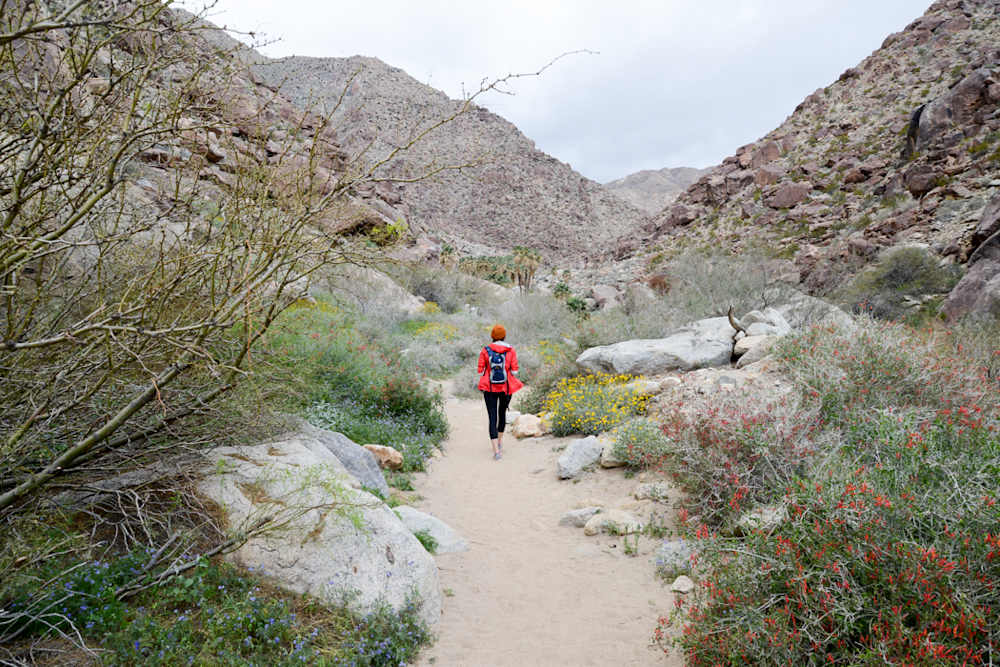
Borrego Palm Canyon Campground
Borrego Palm Canyon punches above its weight for a developed campground — new facilities (rebuilt after a flash flood), close trailhead access, and mountains that actually cut enough light pollution for solid night-sky viewing. Come in spring after a wet year for desert blooms, bring plenty of water, and download your music ahead of time since there's no cell service.
Visit Official Site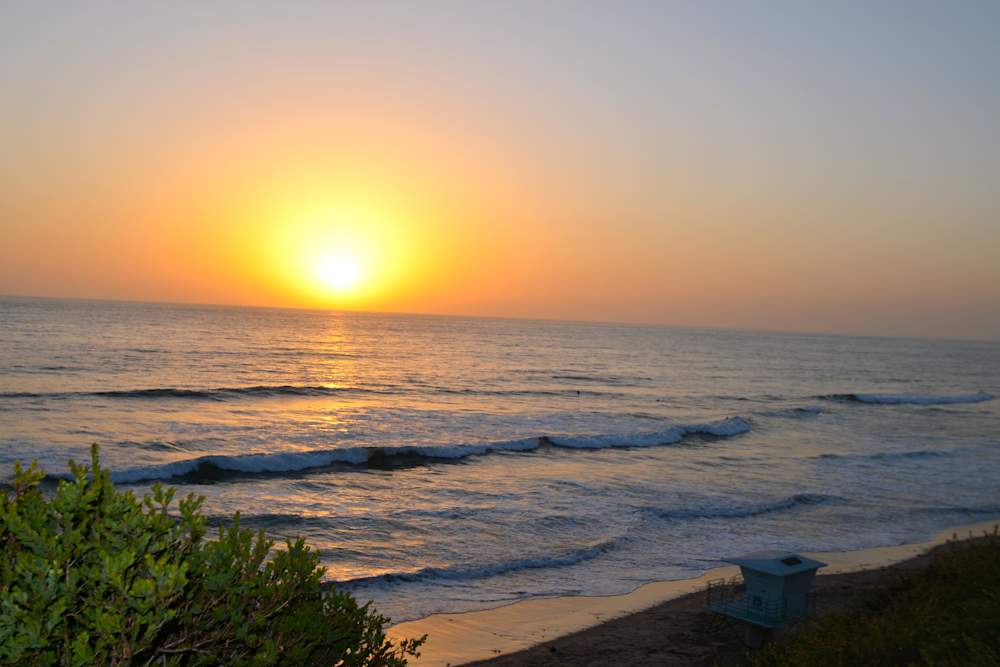
South Carlsbad Campground
South Carlsbad is a classic California blufftop campground where site selection makes or breaks your stay — go for the cliff-side spots with direct stairway access to the beach and skip the east side entirely if highway noise bothers you. It's a popular, well-equipped spot with fire rings, coin showers, and a seasonal camp store, but book early because it fills up fast and walk-ins won't cut it.
Visit Official Site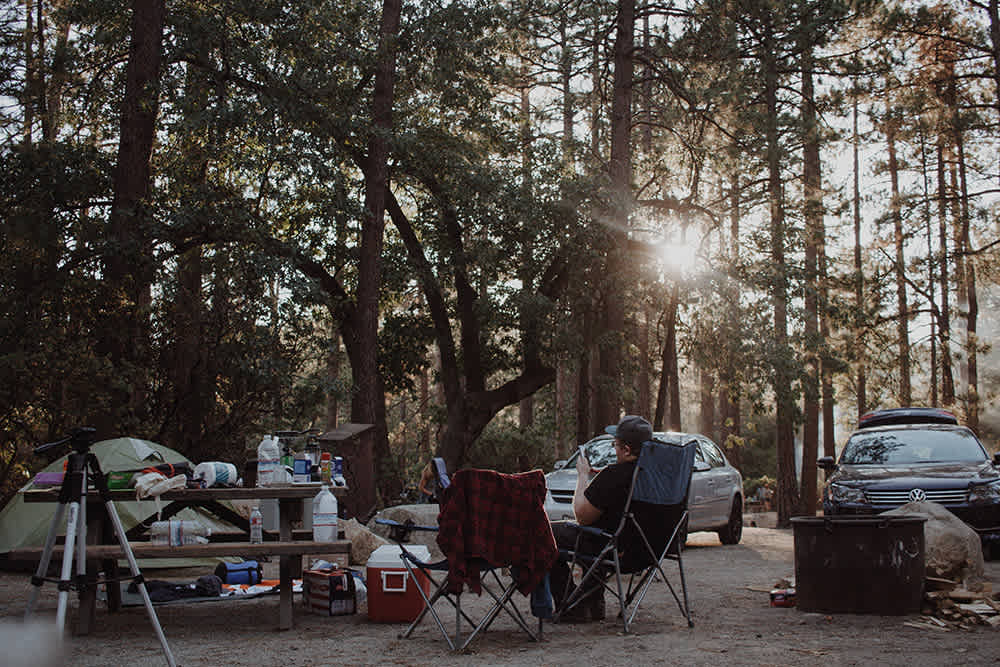
Idyllwild Campground
Idyllwild Campground is a solid mountain base camp with big trees, clean bathrooms, and a genuinely walkable path to town — a rare combo — but noise is a real and recurring issue, from Highway 243 traffic to late-night partiers, so bring earplugs or be ready to call the ranger number posted in the bathrooms. Stick to sites like #4 or #17 for shade, and steer clear of #21–25 if you don't want to stare at a truck facility.
Visit Official Site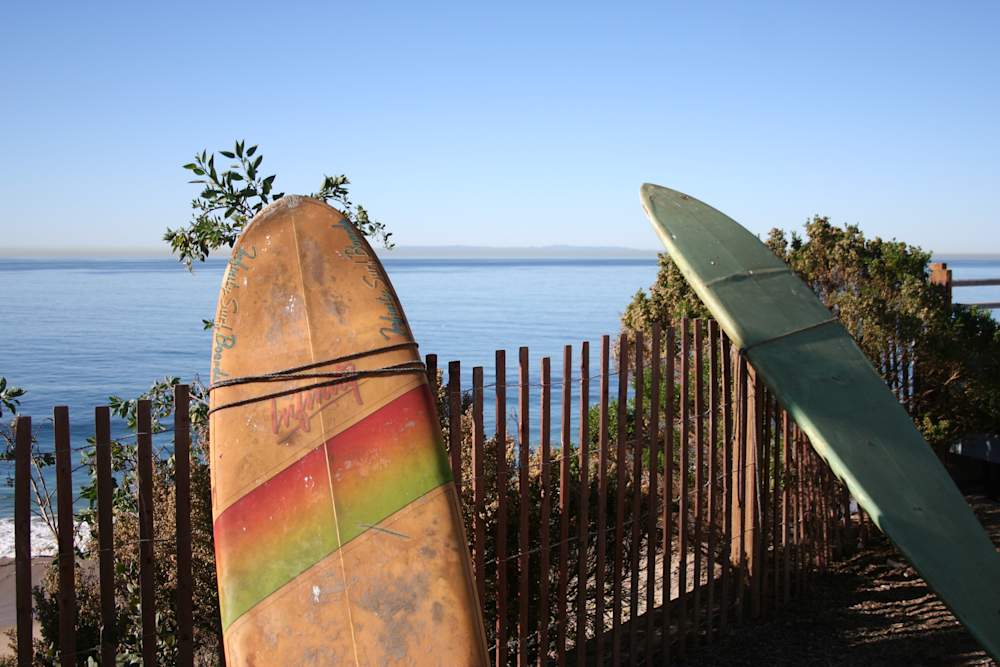
Moro Campground
Moro Campground at Crystal Cove is one of the rare spots where you get genuine ocean views, well-maintained hot showers, and quick beach access without fighting the crowds of better-known campgrounds — aim for the Dolphin Circle sites in the 50s for the best water views. No campfires are allowed, so bring a stove, and know that the PCH makes biking in and out genuinely sketchy.
Visit Official SitePlanning Your San Diego Trip
Best Time to Visit
The San Diego backcountry runs year-round, with each season offering something the others don't.
Spring (March through May) is peak wildflower and green season. The chaparral blooms extensively—ceanothus turns entire hillsides blue-purple, manzanita flowers fill the trail corridors, and the oak woodlands are at peak green from winter rains. Cuyamaca's meadows are lush and the streams run. Temperatures at elevation are mild (60s–70s during the day, 40s–50s at night), and the Santa Ana wind season is largely past. This is the best all-around window for hiking and camping.
Summer (June through September) is the season that makes the backcountry make sense. While San Diego's coast sits in marine layer most mornings, the mountains climb above the fog into clear sunshine. Temperatures at Cuyamaca and Palomar Mountain run 15–25°F cooler than the coast—a genuine summer escape without leaving the county. Afternoon thunderstorms are possible from the Arizona monsoon pattern in July and August; they're usually brief and dramatic rather than sustained. Evening lightning over the desert viewed from Laguna Mountain is one of the better free shows in the region.
Fall (October through November) brings the clearest air of the year, post-fire-season if the season is kind. Oak foliage turns in Cuyamaca's canyon bottoms—not New England fall color, but real color change. Santa Ana wind events are most frequent in October and November, which can create critical fire conditions and restrict campfires but also produce crystal visibility and spectacular views from the ridges. Check fire restrictions before any fall trip.
Winter (December through February) produces the most dramatic scenery and the emptiest campgrounds. Snow falls several times most winters at elevations above 4,000 feet—Cuyamaca and Palomar both see regular snow events, and a white-dusted Jeffrey pine forest with absolutely no other people around is something special. Roads to some campgrounds close temporarily after significant snow; check road conditions with the respective ranger district. Winter camping here requires genuine cold-weather gear: temperatures regularly drop into the 20s at Palomar and Cuyamaca summits.
What to Know Before You Go
Palomar Observatory tours are weekend-only. The observatory grounds are open daily and the dome exterior is always visible, but interior guided tours happen on Saturdays and Sundays and selected holidays. The visitor center is free; donations are welcome. The Hale Telescope's 200-inch mirror is visible during tours—the scale of the instrument is hard to process until you're standing next to it. Book a campsite at Observatory or Palomar Mountain State Park's Doane Valley for the night before and do a sunrise hike to the summit before the tour crowds arrive.
Adventure Pass required in Cleveland National Forest. A National Forest Recreation Pass ($5/day, $30/annual) is required for parking at most Cleveland National Forest trailheads and day-use areas. Annual America the Beautiful passes cover this. The pass is not required if you're camping at a developed fee campground; it is required for dispersed camping access points and most trailhead day-use. Purchase at ranger stations or online at recreation.gov.
Fire restrictions are frequent and serious. San Diego County's backcountry sees some of the highest fire risk in California. During red-flag conditions (typically Santa Ana wind events in fall, and any extended dry/hot stretch), campfire bans extend to all developed campgrounds in the Cleveland National Forest and often Cuyamaca Rancho as well. A camp stove is required kit for any backcountry trip here—do not plan around campfires. Check the Cleveland National Forest fire restriction page before every trip.
Cuyamaca's recovery forest is ecologically interesting but the trail map has changed since pre-2003. Some trails that appear on older maps traverse areas that burned severely and have only partially recovered; downed timber and loose soil in steep burn areas can make navigation challenging. Use the current Cuyamaca Rancho State Park trail map available at the park headquarters or download the updated version from the California State Parks website.
The Laguna Mountain campgrounds (El Prado, Burnt Rancheria) are among the most pleasant in the Cleveland National Forest but fill quickly on summer weekends. Reserve through recreation.gov; weeknight availability is usually better. Burnt Rancheria in particular has excellent site privacy and good views east toward the desert.
Wildlife includes black bears and mountain lions. Both species are present in Cuyamaca Rancho and the Cleveland National Forest in low but real numbers. Black bear activity picked up significantly in Cuyamaca after the fire recovery brought in more oak mast. Standard food storage rules apply; bear canisters or hard-sided coolers in locked vehicles are required at Cuyamaca Rancho campgrounds. Mountain lion sightings are rare but documented; standard awareness practices apply (don't hike alone at dawn or dusk, keep children close on trails).
Nearby Activities
Cuyamaca Peak Trail climbs to 6,512 feet—the highest point in San Diego County—via a 5.5-mile round-trip from Paso Picacho Campground. The summit view takes in the Salton Sea to the east, the Pacific Ocean to the west (on clear days), and the full sweep of the Peninsular Ranges in every direction. It's a real hike with real elevation gain, not a stroll; allow 3–4 hours round-trip. The regenerating Jeffrey pine forest on the upper slopes is beautiful.
Palomar Observatory is open for tours on weekends—the visitor center displays the history of the 200-inch Hale Telescope and the Mount Palomar sky surveys that mapped galaxies for decades. Standing in the dome next to the telescope tube is one of those experiences that recalibrates your sense of scale. The drive up to Palomar Mountain on Highway S-6 (the "Nate Harrison Grade" from the east, or the paved approach from Aguanga) adds to the sense of destination.
Desert View Picnic Area and Sunrise Highway at Laguna Mountain offers the most dramatic accessible desert viewpoint in San Diego County. Pull off on Sunrise Highway at the Desert View overlook and you're looking straight down into the Anza-Borrego Desert, 4,000 feet below, with the Salton Sea shimmering in the distance on clear days. At sunrise, before the haze builds, it's exceptional. From here you can hike the Pacific Crest Trail north or south along the Laguna rim—the PCT crosses Sunrise Highway at several points and the rim stretch is among the most scenic sections in Southern California.
Lake Cuyamaca is a reservoir at 4,600 feet offering year-round fishing (stocked rainbow trout in winter, bass and catfish summer). Day-use fishing licenses are sold at the lake store. A campground operates adjacent to the lake—a different experience than the state park camping above, more RV-oriented and open, but with a genuine mountain lake backdrop that's hard to argue with.
Doane Valley Nature Trail at Palomar Mountain State Park is a short (1.5-mile loop) walk through old-growth incense cedar and oak forest that feels more like the Sierra Nevada than Southern California. The valley is one of the few places in San Diego County with reliable year-round surface water (Doane Creek), which draws wildlife. Easy enough for children, distinctive enough to justify the drive up Palomar Mountain.
Noble Canyon Trail in the Cleveland National Forest is the San Diego backcountry's premier mountain bike trail—a 10-mile one-way descent from Pine Valley down to the desert floor, with a shuttle required. Hikers can also do sections of it. The upper portion through Jeffrey pine forest is the most scenic; the lower desert-facing sections are exposed and hot in summer. This is a blue-sky October or November trail.
Frequently Asked Questions
Is there really a pine forest in San Diego County?
Yes, and it surprises most people who haven't spent time in the county's interior. The Peninsular Ranges—the chain of mountains running through the eastern portion of San Diego County and into Baja California—reach high enough to support genuine conifer forests. Cuyamaca Rancho State Park at 4,000–6,500 feet has significant stands of Jeffrey pine, black oak, incense cedar, and white fir. Palomar Mountain, at around 5,500 feet at the summit, is forested with ponderosa pine, black oak, and big-cone Douglas fir. Laguna Mountain's plateau around 6,000 feet has extensive Jeffrey pine. These aren't scattered individual trees—they're proper forests with canopy shade, pine needle duff underfoot, and the smell of resin on a warm afternoon. The contrast with the beach 90 minutes away is jarring the first time you see it.
Can you visit the Palomar Observatory and how do you arrange it?
Yes. The Palomar Observatory is operated by Caltech and is open to the public. The observatory grounds and visitor center are free to visit daily during daylight hours; the Hale Telescope dome can be viewed from outside at any time. Guided tours of the dome interior—where the 200-inch Hale Telescope lives—are offered on Saturdays, Sundays, and selected holidays, typically multiple tours per day starting around 10 a.m. Tours are self-guided with docents available; they're free but donations are encouraged. The facility does not offer public nighttime observing. Details and current hours are on the Palomar Observatory website (palomar.caltech.edu). Parking on Palomar Mountain is limited on busy weekend tour days; arrive early or combine with an overnight at Observatory Campground or Palomar Mountain State Park's Doane Valley Campground.
What is the best campground near San Diego for mountain camping?
Paso Picacho Campground in Cuyamaca Rancho State Park is the strongest overall choice: it sits at around 5,000 feet in Jeffrey pine forest, offers a mix of tent and RV sites with restrooms and showers, and is the trailhead for Cuyamaca Peak and the surrounding trail network. It's about 60 miles from downtown San Diego—a genuine escape with a legitimate mountain feel. Doane Valley Campground at Palomar Mountain State Park is the best option if Palomar Observatory is the priority; it's smaller, quieter, and set in one of the most beautiful old-growth valleys in Southern California. For a more dispersed, forest-service experience, Burnt Rancheria Campground at Laguna Mountain (Cleveland National Forest) offers excellent privacy, desert views from the nearby Sunrise Highway, and direct PCT access.
How cold does it get camping in the San Diego mountains?
Significantly colder than coastal San Diego. In summer, expect lows in the 45–55°F range at Cuyamaca and Palomar elevations—cold enough for a real sleeping bag (30°F rating minimum), not a camping blanket. In fall, lows drop into the 30s regularly. In winter, temperatures below freezing are common—Cuyamaca and Palomar regularly see lows in the 20s during December and January, and the campgrounds at those elevations are subject to snow. A 15–20°F rated sleeping bag, insulating layers, and a four-season tent (or at minimum a three-season tent with a solid rain fly) are the right equipment for October through April camping. The payoff is that you're camping in a genuine mountain environment without driving to the Sierra Nevada.
What trails in San Diego backcountry are accessible from campgrounds?
Trail access directly from campgrounds is one of the San Diego backcountry's strengths. From Paso Picacho Campground (Cuyamaca Rancho), Cuyamaca Peak Trail starts at the campground and reaches the county high point in about 2.75 miles. Cold Stream Trail and Azalea Glen Loop are good shorter options from the same base. From Doane Valley Campground (Palomar Mountain State Park), the Doane Valley Nature Trail and connections to Palomar Mountain's broader trail network are walkable from your tent. At Burnt Rancheria (Laguna Mountain), the Pacific Crest Trail crosses within a half mile, and the Desert View Trail and Big Laguna Trail are accessible without driving. The Cleveland National Forest Descanso District trail map (downloadable free from the USFS website) shows all trail connections comprehensively—it's worth printing before you go given limited cell coverage in the mountains.
How far is San Diego backcountry camping from downtown San Diego?
Closer than most San Diegans realize, which is part of why it's so underused. Paso Picacho Campground in Cuyamaca Rancho is about 60 miles from downtown via I-8 east to Highway 79 north—roughly an hour to 75 minutes depending on traffic. Palomar Mountain campgrounds (Observatory and Doane Valley) are 65–70 miles north via I-15, around 90 minutes. Laguna Mountain's Burnt Rancheria Campground is about 55 miles via I-8, making it the closest backcountry forest camping to downtown in the county. All three areas transition from freeways to mountain roads within an hour—the accessibility gap between urban San Diego and genuine mountain camping is smaller than the distance suggests.
Wildlife Sounds
Observations from iNaturalist